Highland Winter Birding
A week of Scottish birding across the Highlands featuring a two night stay on the remote North Coast!
| Destination | |
|---|---|
| Focus | |
| 2025 Dates | |
| Duration | 8 Days |
| 2025 Price | £1595 pp No single supplement. Deposit £300 |
| Max Group Size | 7 per guide |
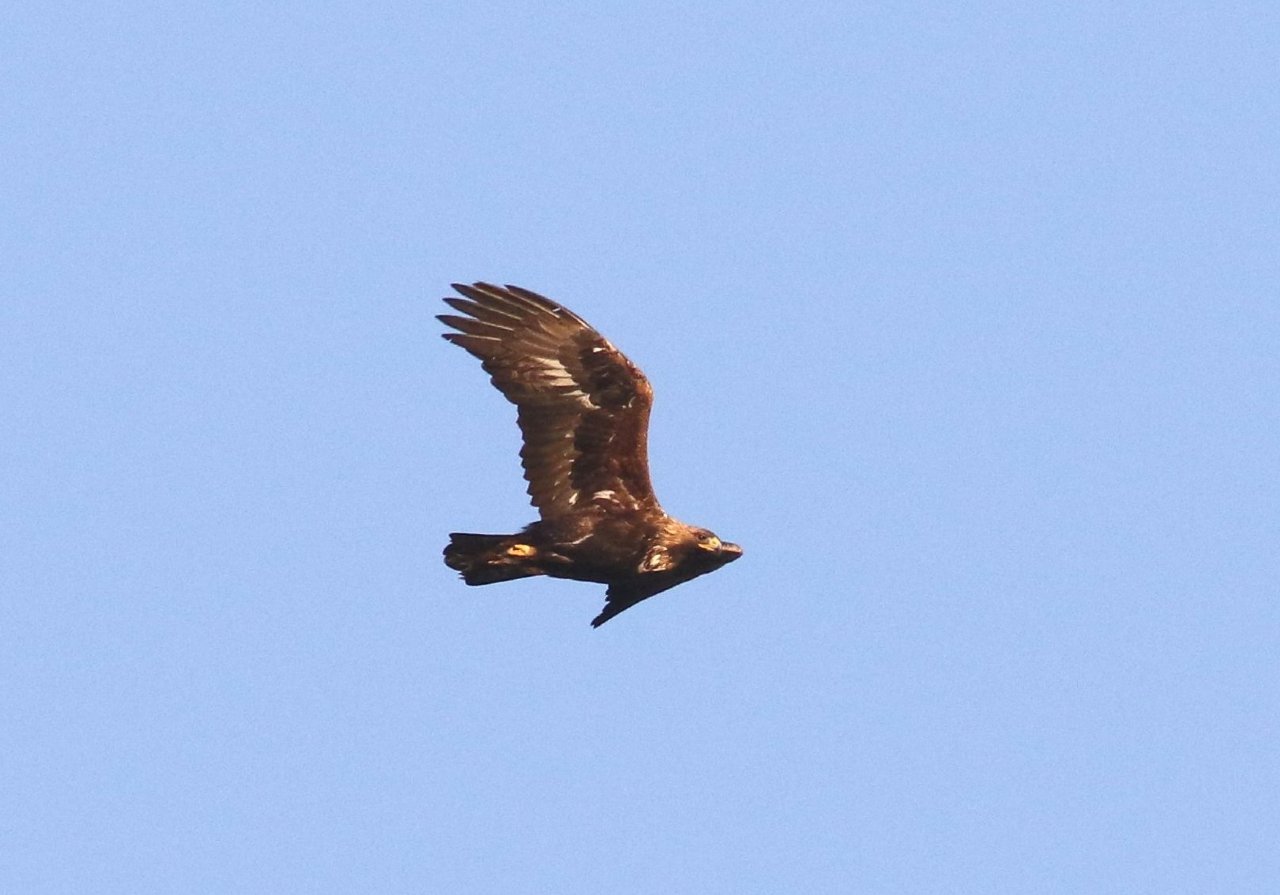
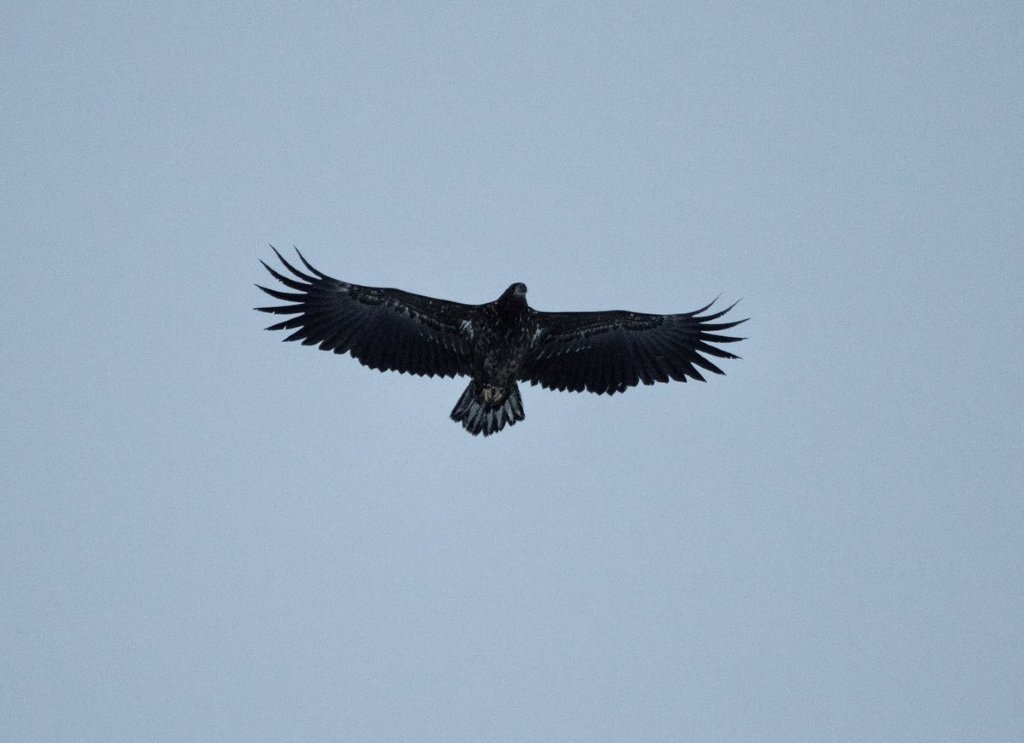
February is an exciting month for birding in the extreme north of the British mainland, and this holiday is something a little bit different, featuring remote northern hideaways as we locate the very best Scottish birdlife in winter. Our speciality birds include Ptarmigan, Black Grouse, Crested Tit, Scottish Crossbill, Golden and White-tailed Eagle, and we look for these during approx. two absorbing days birding the Scottish interior, which may be frozen and/or snow-covered at this time. Flocks of Waxwing, Lesser Redpoll, Twite and Brambling are very possible while northern rarities including Great Grey Shrike, uncommon geese and gulls are often found at this time.
Activity at the coast features concentrations of winter visitors offshore, and rarities and scarce British birds sheltering in harbours. Gulls, waders, geese and ducks, divers, passerines and raptors, just about anything can turn up! We make an exciting expedition over three days to the very far north, staying in Thurso for two nights, and visiting secluded harbours and windswept lochs to find the birds that make this holiday so special. You will probably visit four different coastlines, the very far north in Caithness, the rugged east-facing coast north of Inverness, the long expanse of the Moray Firth, and either Aberdeenshire or the west coast, depending on available birding opportunities and of course the weather.
This is a time of year when tourists are few on the ground, and wild landscapes and solitude (you won’t see many other birders!) are to be combined with exceptional birding.
KEY MOMENTS at our Friday round-up - which will be yours?
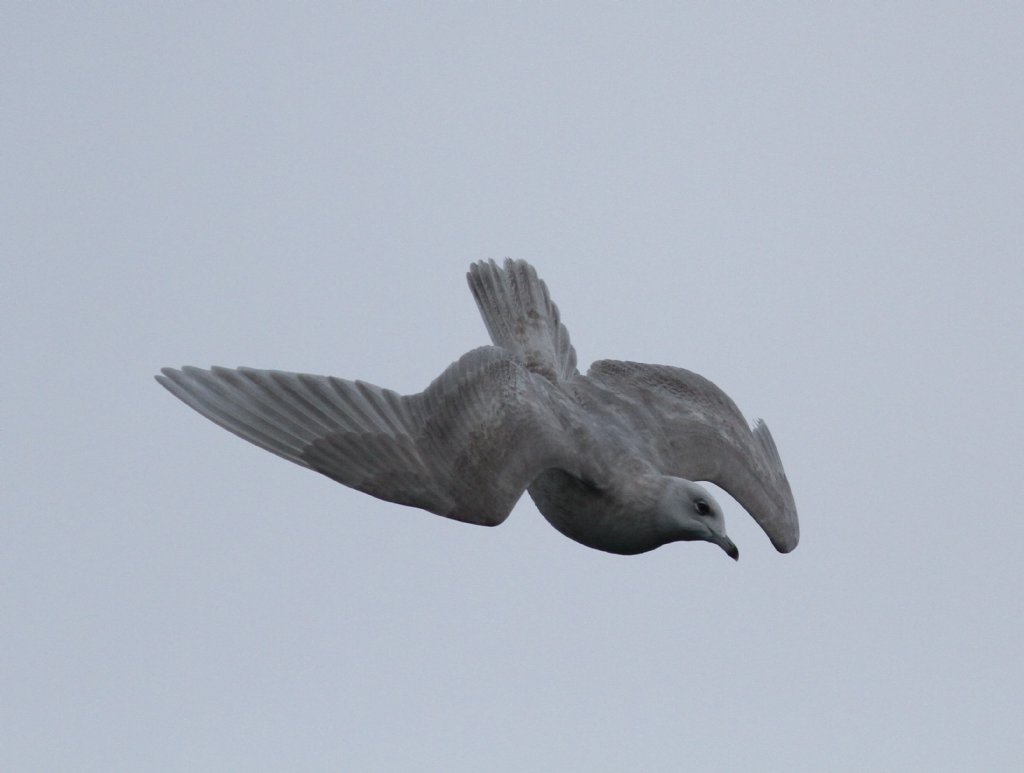
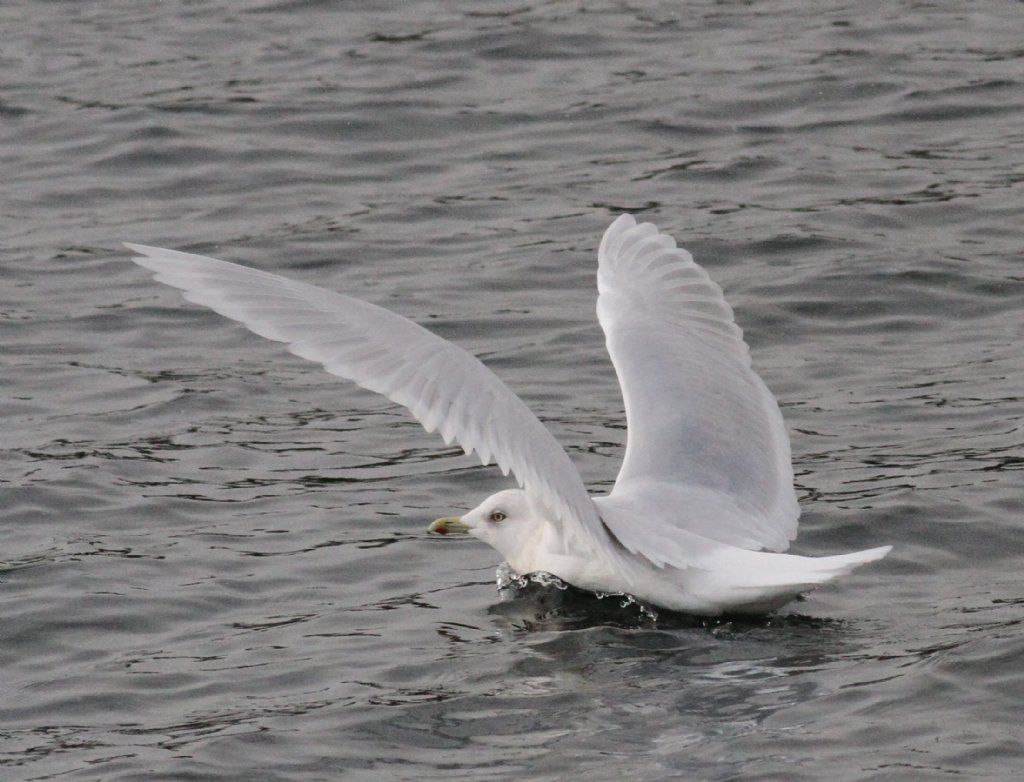
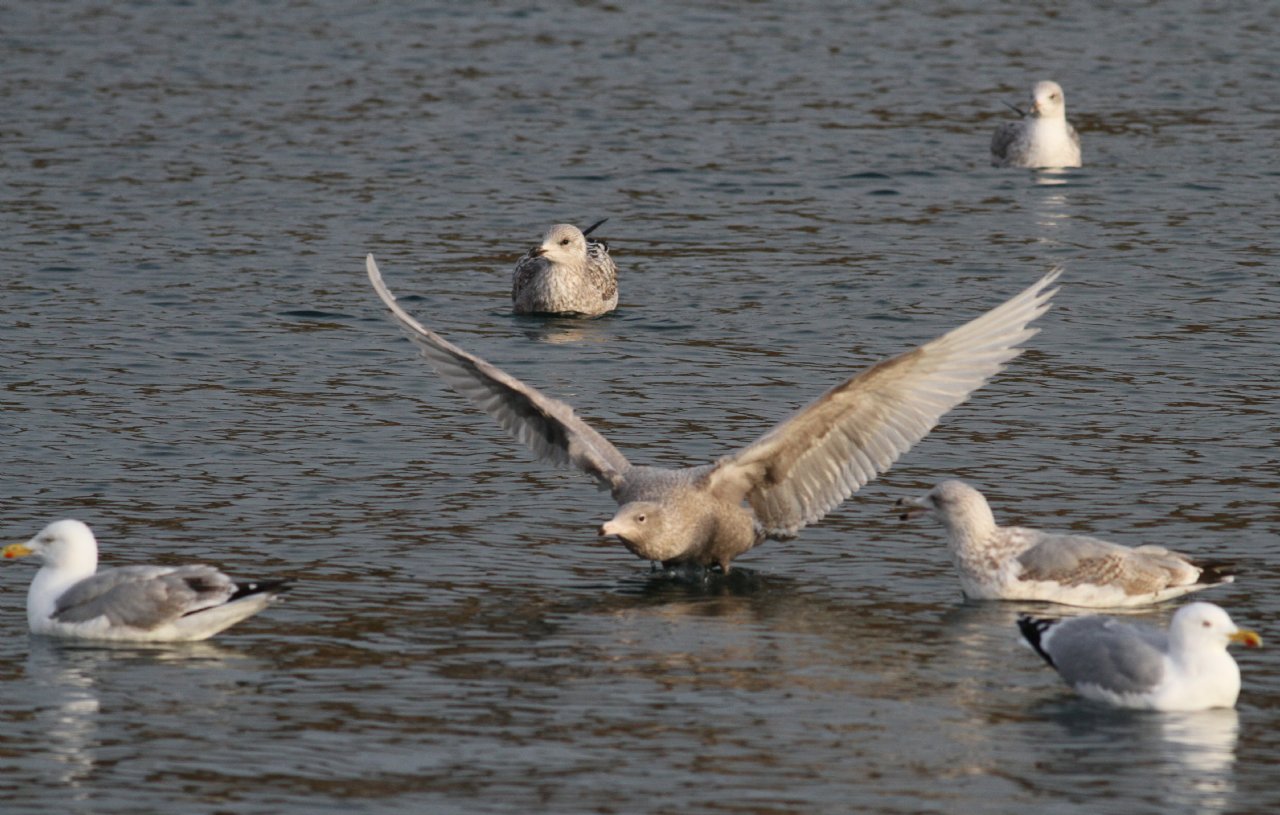
- White-winged gulls! Iceland, Glaucous and maybe something even rarer...
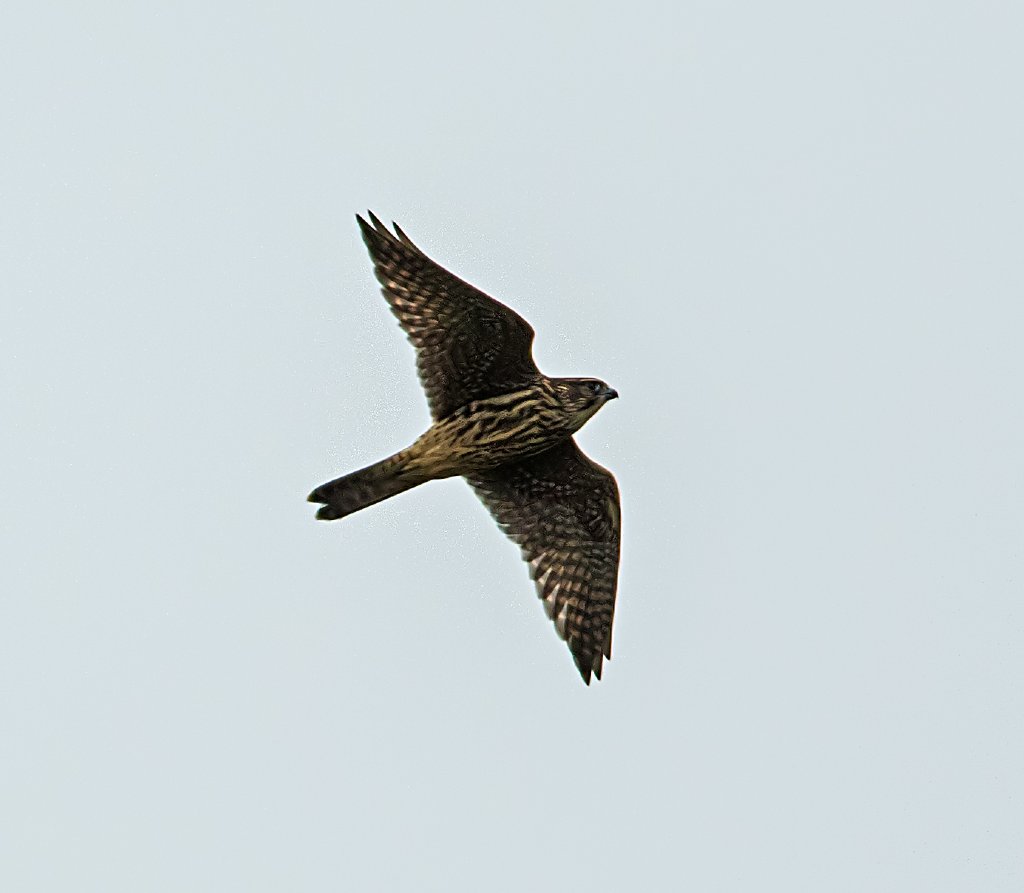
- Hen Harrier coming into roost, plus Short-eared Owl and Merlin hunting the 'Flow Country'
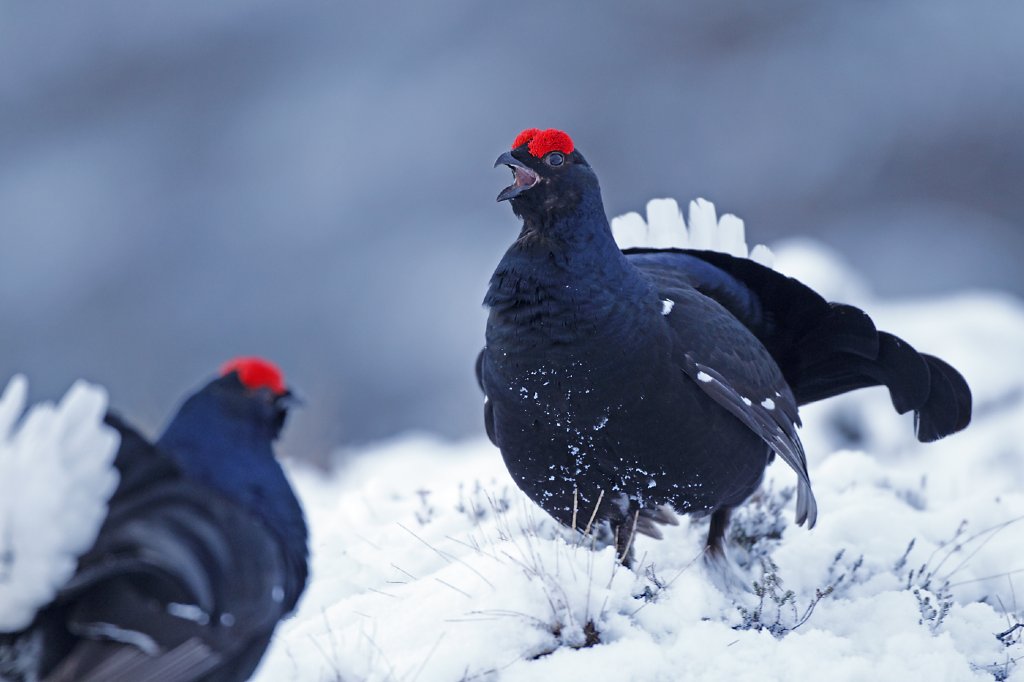
- Black Grouse on a snow covered lek
- Large numbers of divers at close quarters in northern bays and harbours
Day 1: Saturday
Arrival, welcome, dinner and briefing. Don’t forget our courtesy collection service from Aviemore.
Day 2: Sunday - Local specialities
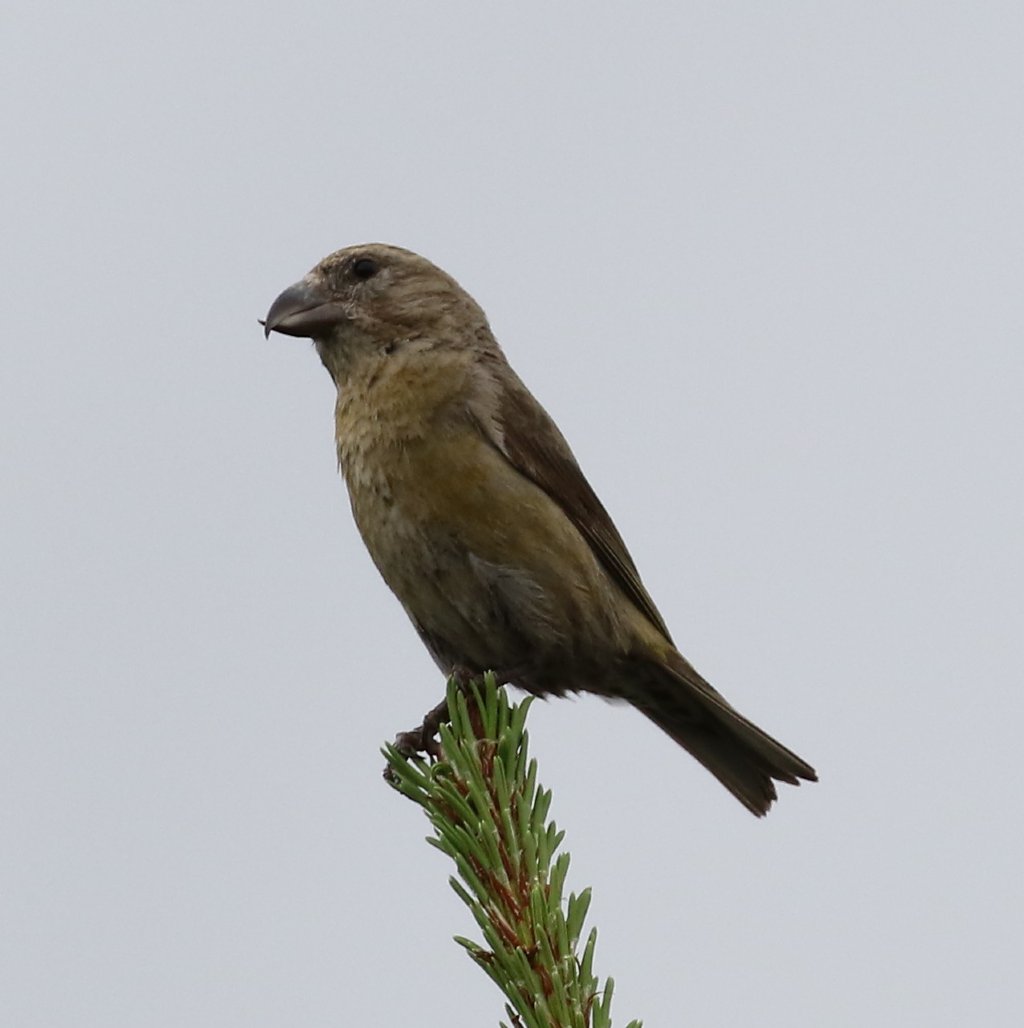
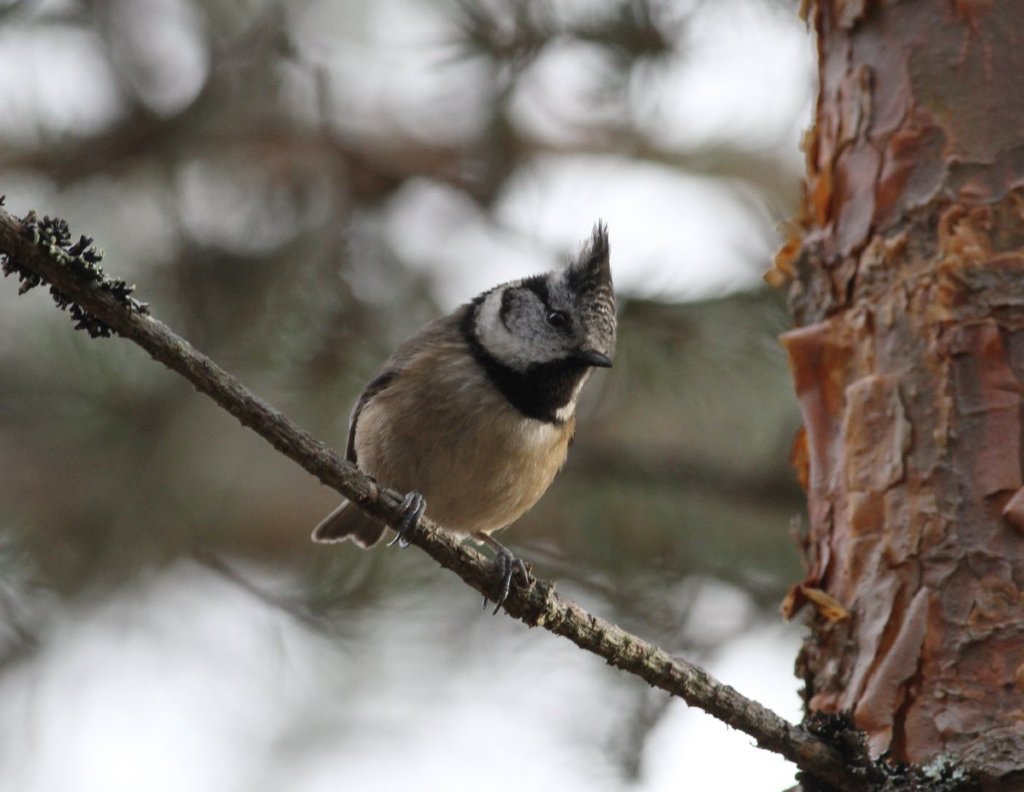
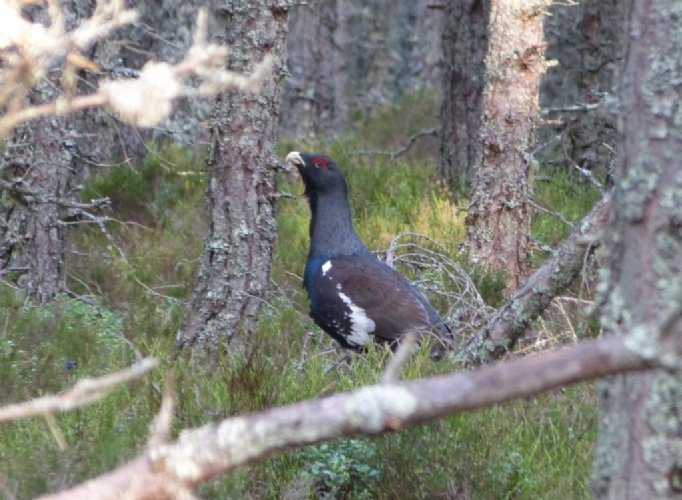
Let’s begin as we mean to continue, with fantastic birding! We visit a moorland location in our minibus to see Black Grouse popping and cooing at the lek. In the Caledonian forest Crested Tit are noisy and we look for Scottish Crossbill, but with both Common and Parrot Crossbill also present, separation of these three species can pose a real identification challenge! Capercaillie also occur in these forests though are increasingly scarce and we no longer actively look for them. Any sightings should be seen as incidental. Buzzard, Treecreeper, Siskin, Hen Harrier, Sparrowhawk and even Golden Eagle are all more than possible on this first day.
Days 3 - 5: Monday - Wednesday - Birding the far North!
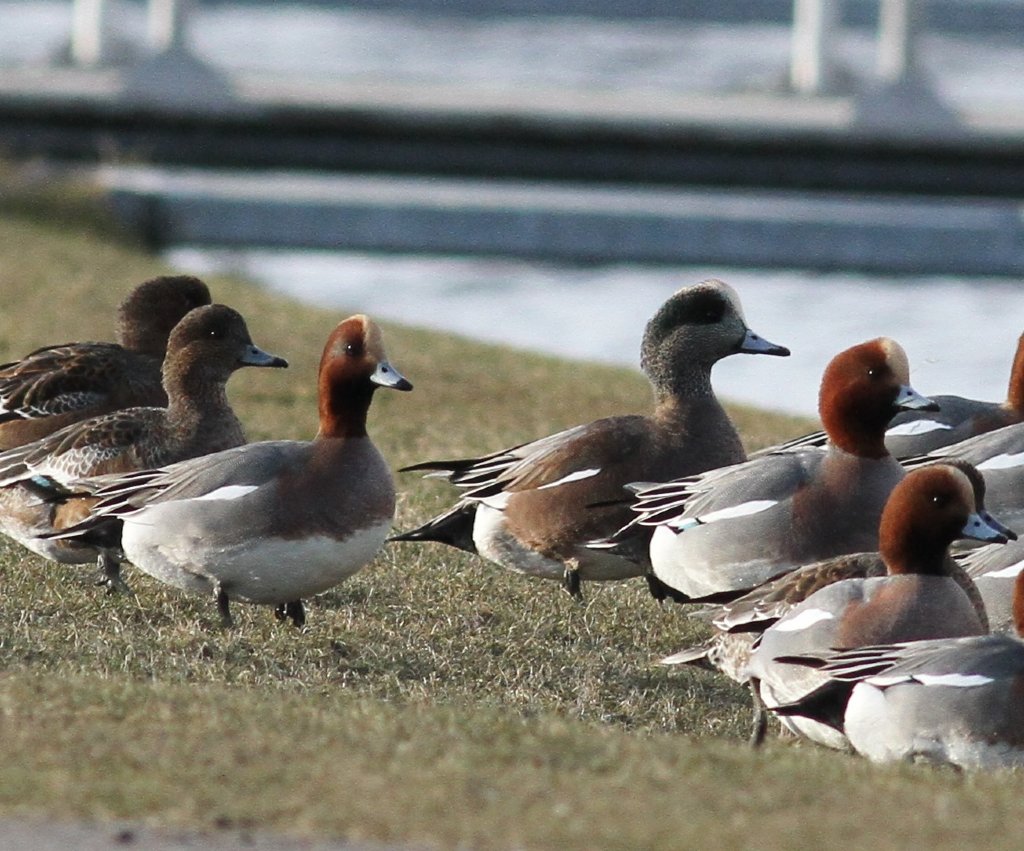
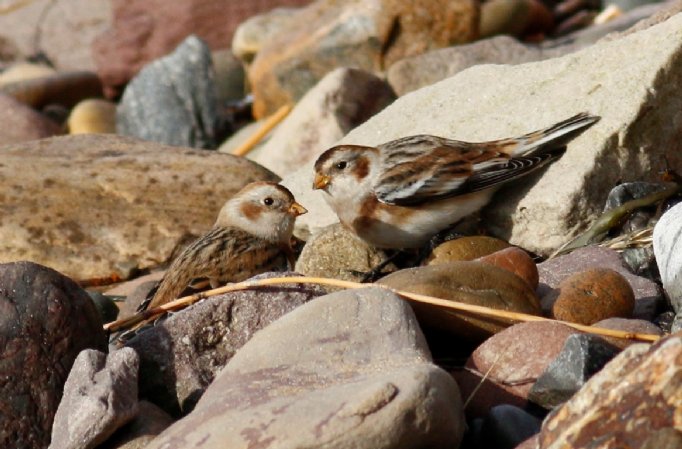
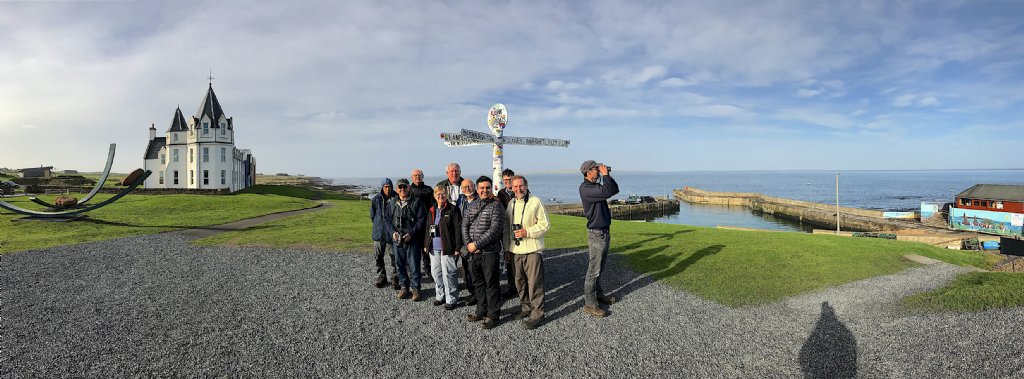
We cross the Black Isle north of Inverness (where we may see Red Kite), heading for Sutherland and Caithness - the remotest and most under-birded counties on the British mainland. We call at key sites on the journey, a fascinating part of a unique holiday. Glaucous and Iceland Gull are regular in harbours and we can reasonably expect to see both of these. In secluded lochs and coastal bays, wintering Red-throated, Black-throated and Great Northern Diver are occasionally joined by rare White-billed Diver. Other uncommon seabirds might include Black Guillemot or storm-driven Grey Phalarope and Little Auk. The Caithness coast can be excellent for flocks of Twite, Snow Bunting and perhaps many thousand migrating Fieldfare, Redwing and Starling. Rarities can often feature and in the previous years Heatherlea has seen Common Crane, American Wigeon, Snow Goose, Long-billed Dowitcher, Ring Necked Duck, Smew, Ring-billed and Bonaparte’s Gull and Great Grey Shrike in this region. Waxwing and Jack Snipe may be possible too on this real birding adventure.
Our two overnight stay in Thurso gives us the chance of detailed searches of harbours and bays, with views to the Orkney Isles across the Pentland Firth. We will spend time on Tuesday looking at large lochs and fertile pastures where we check the wildfowl, with large numbers of geese and ducks expected. In previous years we have seen Brent (both races), Tundra and Taiga Bean, White-fronted (both races) in among the good numbers of Pink-footed Geese. Time will be dedicated to birding the 'Flow Country' where a late afternoon drive through expanses of peaty moorland can produce Short-eared Owl, Hen Harrier and Merlin. Our return journey will see us call at estuaries and mudflats, returning south in time for dinner on Wednesday.
Day 6: Thursday - Cairngorm Mountain
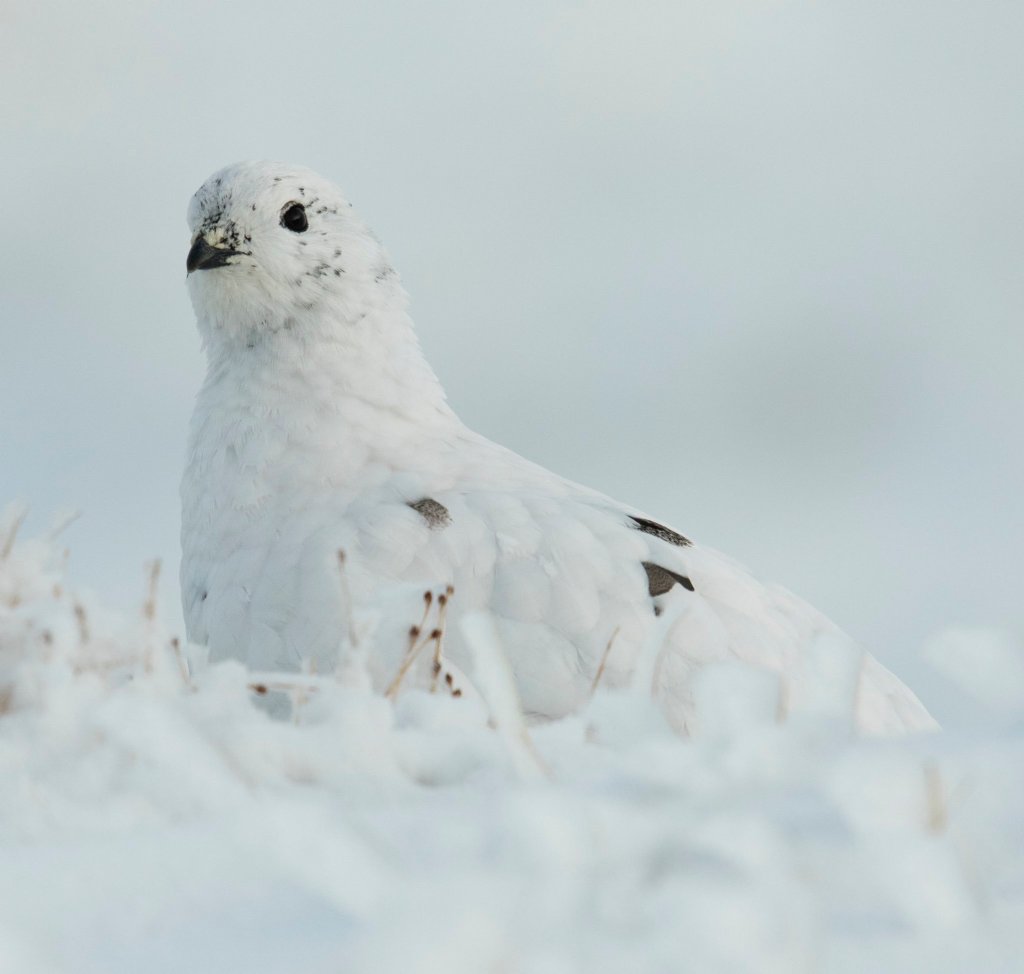
Today we visit the Cairngorms with Ptarmigan in mind. The birds are mainly white at this time, and our quest is usually successful. We round-up a few more interesting birds, perhaps including Peregrine, Snow Bunting, Dipper and Goldeneye. Local fields may contain returning waders, and Lapwing, Curlew, Oystercatcher, Redshank and Golden Plover are splendid in fine breeding colour. We will also use this day to target any Scottish Specials we may have missed on Sunday.
Day 7: Friday - Moray Coast
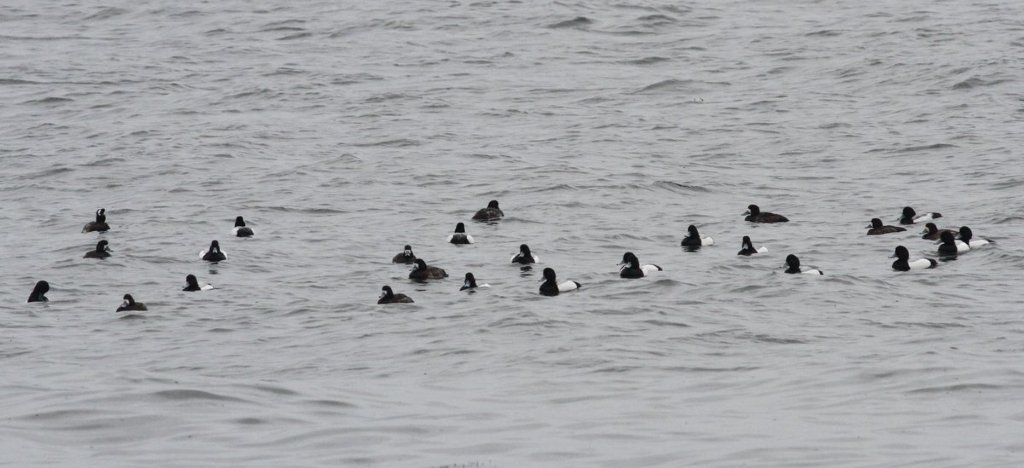
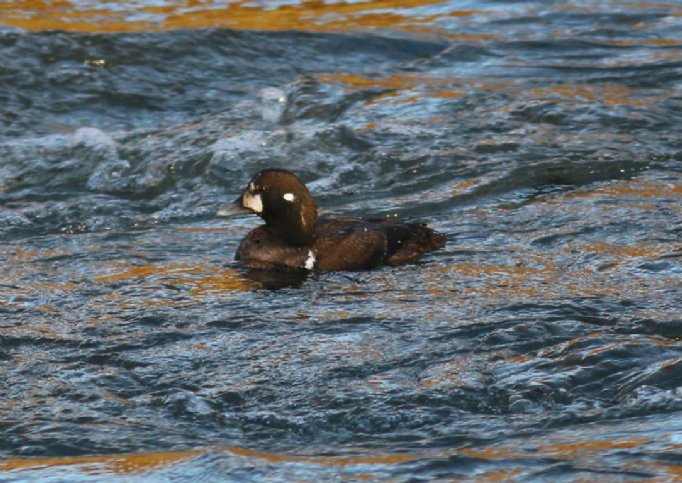
Back to the coast, this time in Morayshire. We will almost certainly see Common and Velvet Scoter, and Long-tailed Duck, perhaps at very close quarters. Great Northern and Red-throated Diver are highly likely, and rarities are frequent at this time of year. Previous winter visits have yielded Glaucous and Iceland Gull, Black Duck, Green-winged Teal, American Wigeon, Surf Scoter and King Eider - a feast of seawatching! Red Grouse, Corn Bunting, flocks of grey geese and waders including Purple Sandpiper are on the agenda too. You can expect around seventy species on this day.
DAY 8: Saturday - Departure
Breakfast and departure. Don’t forget our courtesy return service to Aviemore.
This holiday can be combined with:
SCOTTISH HIGHLANDS
Birders' Blast, Scottish Winter Specialities
Please note: all itineraries are given as a guide only. Actual holiday content may vary according to the judgement of your guide, and elements beyond our control (eg weather).
What's included in your holiday price
- Five nights comfortable accommodation at The Mountview Hotel, VisitScotland rated 3 Star. All rooms are en-suite, with TV and hospitality tray. There is no single supplement, and guests are never expected to share. Single guests may be upgraded to double room accommodation at no extra charge.
- Two nights comfortable en-suite accommodation in Thurso featuring good home-prepared food.
- Full Scottish breakfast, a substantial packed lunch, and a delicious dinner.
- Six full days wildlife watching.
- Guidance from a professional Group Leader.
- All transport by comfortable minibus.
- All estate access and ferry fees.
- A checklist specifically prepared for your holiday to record your sightings and notes.
- Courtesy bus service to and from transport in Aviemore.
What's not included in your holiday price
- Insurance, drinks and other items of a personal nature.
More holiday information
Accommodation at Mountview Hotel can be seen here. All accommodation is en-suite unless otherwise advised before your booking is confirmed.
Food There is a choice of evening meal, and vegetarian, vegan and other diets are welcome. Breakfast may be chosen from a full Scottish menu. You don't need flasks for hot drinks.
Walking will be light, although mountain walking for Ptarmigan can be strenuous, depending on the snow level.
Weather Expect a wide variation in weather conditions. Blazing sunshine and rain are equally likely, and you will probably experience a bit of everything, including snow! Bring waterproofs, walking boots or shoes and warm clothing.
Biting insects are unlikely to be encountered.
Group size maximum 7 clients per guide.
Optics. Telescopes will be useful, and you should bring binoculars. We have a limited number of top quality Swarovski binoculars, which you may borrow at no charge (subject to availability). A camera would be useful too!
Getting here is easy!
BY CAR Travel north to Perth. Take A9 signposted Inverness to the exit north of Aviemore for the A95. Follow signs northeast through Boat of Garten to Nethy Bridge (ten miles). In Nethy Bridge, drive through the village, over the River Nethy, and you will see our sign 200 metres ahead on the right.
BY RAIL Don't forget our courtesy collection service from Aviemore on Saturdays at 16:30 and 19:30, but please let us know at least 48 hours in advance! The best train to Aviemore is the ‘Highland Chieftain’ on the East Coast Line. This leaves London Kings Cross at 11:00, arriving Aviemore at 19:22. We recommend you connect with this service if possible. Our pickup also works well with the 16:26 arrival from Edinburgh. In general, rail travel via Edinburgh is easier than via Glasgow, where a trip across the city between stations is needed, often followed by a change at Perth. Return trains leave Aviemore at 08:32 (fast train to London – recommended), 09:26. 10:31 and 11:30. However we can only make 2 journeys to Aviemore on Saturday morning, so you may be taken to Aviemore a little earlier. Rail enquiries: 0845 7484950, www.nationalrail.co.uk
BY AIR Flights to Inverness are becoming available all the time, for latest info call our office. Currently direct flights to Inverness are available from: Belfast, Dublin, Birmingham, Manchester (all Loganair), London Gatwick, London Luton, Bristol (all easyJet) and London Heathrow (British Airways). Guests arriving in Inverness airport can then take a taxi to Nethy Bridge, or take the Airport Flyer bus to Inverness, from there they can take the train to Aviemore where we can collect you. Our courtesy collection service is on Saturdays at 16:30 and 19:30, but please let us know at least 48 hours in advance if you wish to be collected! We will be able to meet the 15:44 and 18:53 trains departing from Inverness that arrive at 16:25 and 19:26 respectively.
Other birdwatching holidays in Highlands
- Highlands and the Aberdeenshire Coast
- Raptors and Grouse
- Autumn in the Highlands with 'Easy Walking'
- Autumn Migration in the Highlands
- Birders' Blasts in Autumn!
- Birders' Blasts in Winter!
- Birding the Highlands in May
- Birding the North Coast 500
- Butterflies, Dragons and Birds
- Eagles, Divers and Dotterel including Mull
- High Season Across the Highlands
- Highland Autumn Birding
- Highland Autumn Explorer
- Highland Birding in Late Summer
- Highland Birding in March
- Highland Mammals and More!
- Highland Migration by land and sea
- Highland Wildlife in early summer
- Highland Wildlife in High Summer
- Highlands & Ardnamurchan
- Highlands & Orkney
- Highlands and Corncrake
- Highlands and Skye in Autumn
- Highlands and Skye in spring
- Highlands and the Outer Hebrides
- Highlands and the West Coast
- Highlands and Wester Ross
- Hogmanay Birding Extravaganza
- New Year Birdlist Booster
- NEW! Highlands & Ailsa Craig
- NEW! Highlands & East Coast Birding
- NEW! Highlands and the far North in Autumn
- NEW! Highlands and the Small Isles
- NEW! Scottish Winter Specialities
- NEW! Spring Migration in the Highlands
- North West Scotland Explorer
- Scottish Wildlife in late Autumn
- Short Breaks - Scottish Birding in Autumn
- Spring into Scotland including Mull
- The 'Outer Limits' Adventure
- The 'Outer Limits' in Summer
Why choose Heatherlea for your Scottish birding holiday?
Heatherlea is THE place for top quality birding holidays in Scotland, chosen by more and more birders each year. Stay in our own three star Small Hotel, and enjoy first-rate birding with Scotland’s best guiding team. Relax and enjoy yourself, as we do all the planning! Above all, we make it our business to show key wildlife to you. Our fully inclusive guided holidays concentrate on the real experience, and we take time to ensure that each of our guests enjoys everything we do.
- We have been organising birding and wildlife holidays for 30 seasons, and have a highly experienced and capable office team. We also offer a telephone and email service outside normal office hours.
- Our ‘Mainland Scotland’ holidays based at Mountview Hotel have a maximum ratio of 7 clients per guide, putting the emphasis on personal service, and helping you get the best possible experience.
- We are a small company, run BY birders FOR birders. Come and see!
- Heatherlea are Mainland Scotland’s FIRST ‘5-Star Wildlife Experience!’ This is the highest available grading, classified as ‘exceptional’ by visitScotland.
- There is no single supplement. Single guests are never expected or invited to share.
- Our holidays often include things which others might invite you to pay yourself, for instance loan of Swarovski binoculars, packed lunch and tips to hotels.
- We offer a courtesy transfer between our Hotel and Aviemore rail/bus links on Saturdays.
- Heatherlea hold full Tour Operator Insurance for your added protection.
- Heatherlea is a limited company, registered in Scotland. We are also registered to pay VAT, which is included in your holiday price as quoted on this page.
- Once your holiday is confirmed in writing by us, we promise not to surcharge the price for any reason.
Enjoy an excellent birding and wildlife holiday with Heatherlea.
Mainland Scotland’s FIRST ‘5-Star Wildlife Experience!’

'Exceptional'
Visit Scotland