
Ecuador with Amazon Rainforest Extension
Relaxed birding with a huge number of species
| Destination | |
|---|---|
| Focus | |
| 2025 Dates | |
| Duration | 18 Days |
| Guides | |
| 2025 Price | £5695 pp £400 single supplement. Deposit £1500. Price quoted for main tour excluding Amazon extension. Amazon Extension £1695pp. Single Supp £220. pre-flight airport hotel and lounge are inc. |
| More Info | Local leader Andres Trujillo plus a Heatherlea Guide with more than nine clients. Further details included in the itinerary section. |
- Free Bird Guide
FREE copy of Birds of Ecuador with every room booked on this holiday.
- Tour Info Pack
- Enquire
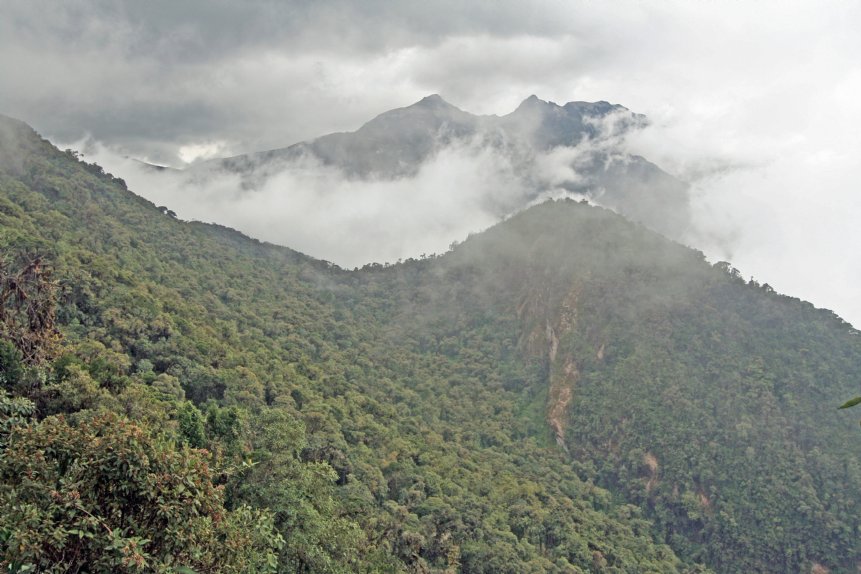
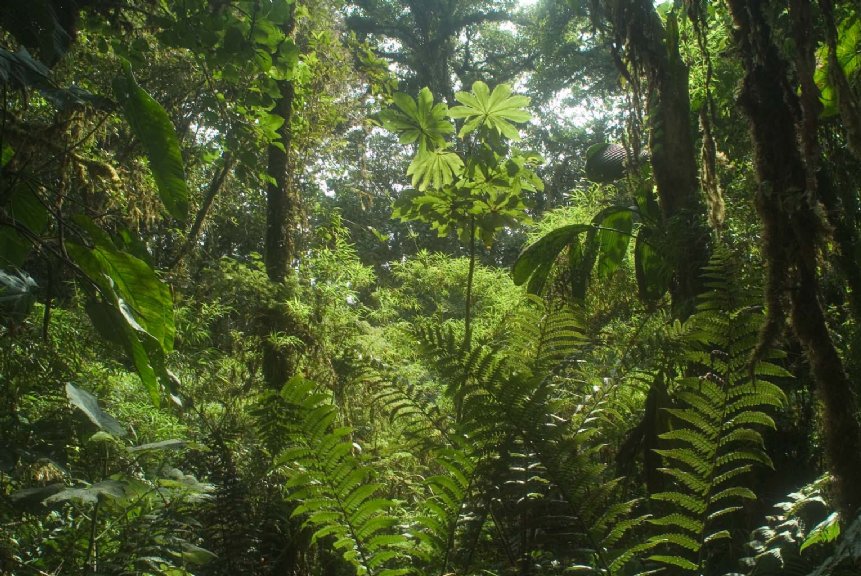
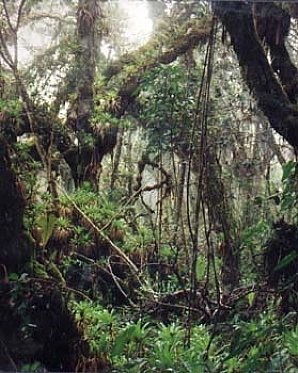
About 1600 species have been recorded on mainland Ecuador, and this exciting holiday is expected to locate a quarter or more of these. We take you from snow-covered mountain peaks and high páramos (unique mountain moorlands), down through Andean valleys and many gradations of temperate and subtropical forest, as we visit the key habitats and iconic locations of this world famous bioregion. Important locations include Milpe Bird Sanctuary, Antisana Ecological Reserve, San Isidro, Wildsumaco and Bellavista. This holiday is ideal for those who wish to experience the incredible avian diversity of Ecuador accompanied throughout by a friendly, highly experienced guide.
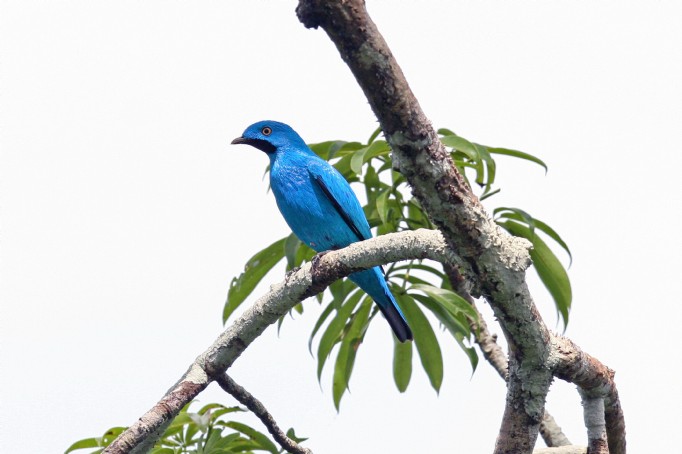
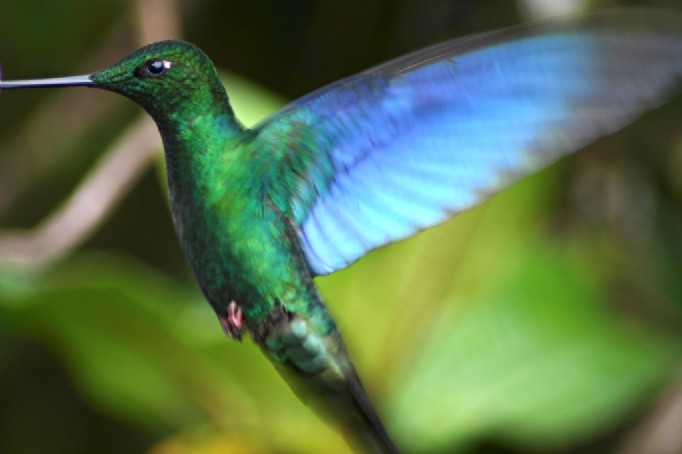
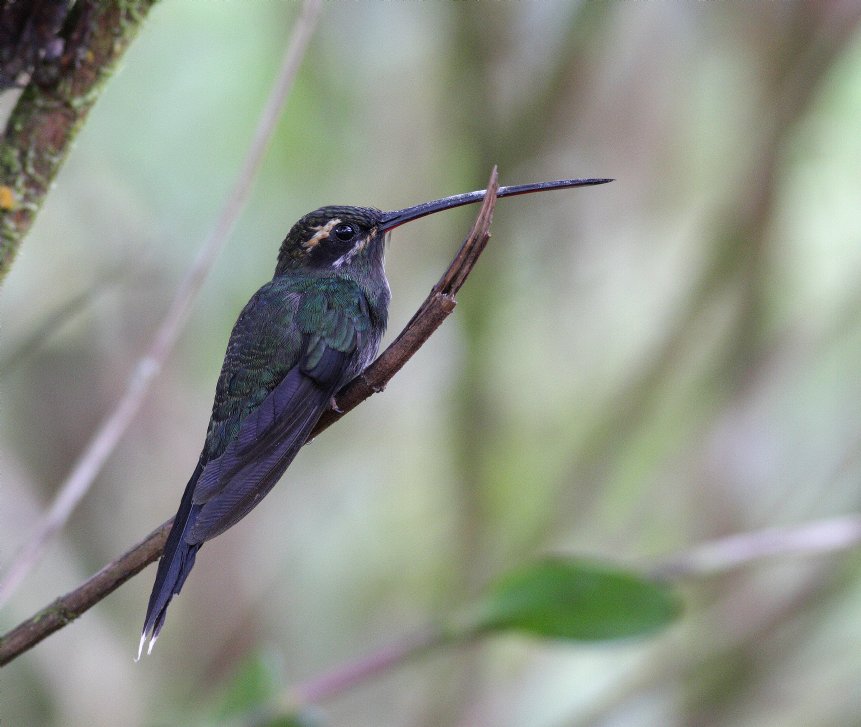
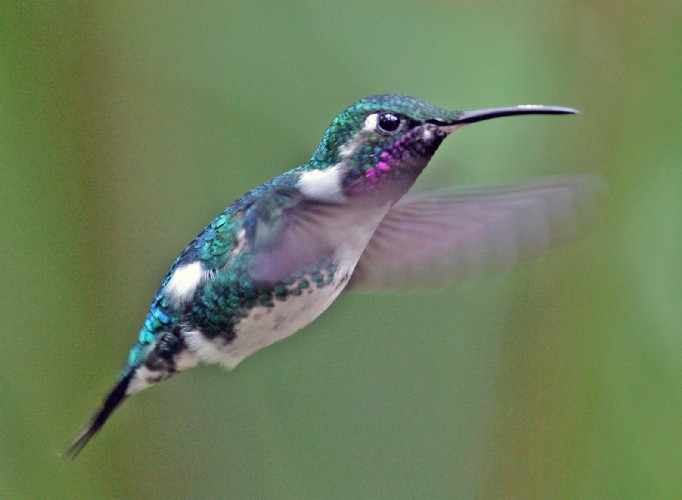
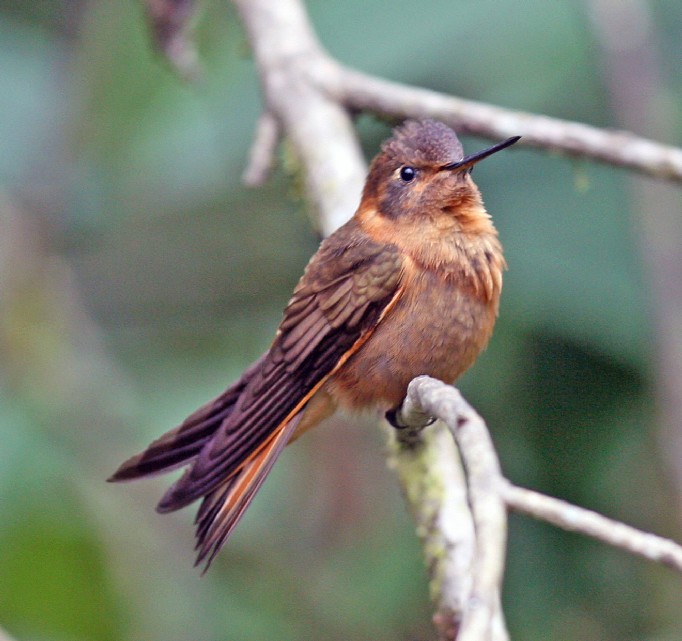
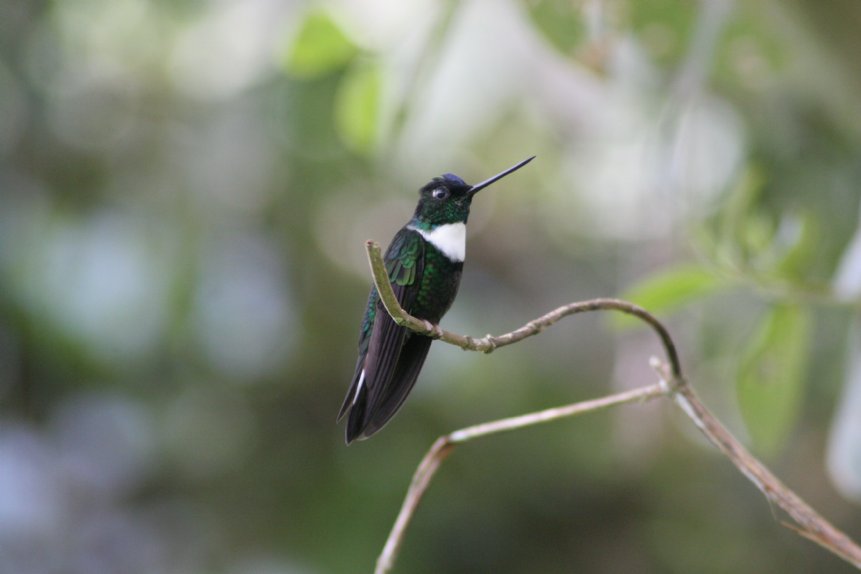
We expect a list of around 475 species, including many hummingbirds (well over 40 species). Some key birds are unforgettable Andean Condor, spectacular and colourful Cock-of-the-Rock, strange-looking Oilbird and incredible Long-wattled Umbrellabird, and we hope to give you excellent views of these. We may even be lucky to see an owl which many local ornithologists consider to be new to science - see Day 8! We will be seeking to maximize our list, whilst enjoying the whole experience of being in this wonderful country, birding at a gentle pace on a non-intensive itinerary. We stay in five locations including Quito itself, ideal for those visiting Ecuador for their first birding trip. Transfers by comfortable coach will take two hours or less between most lodges, with two drives of around four hours each being the longest. These journeys can of course be delayed by birding considerations!
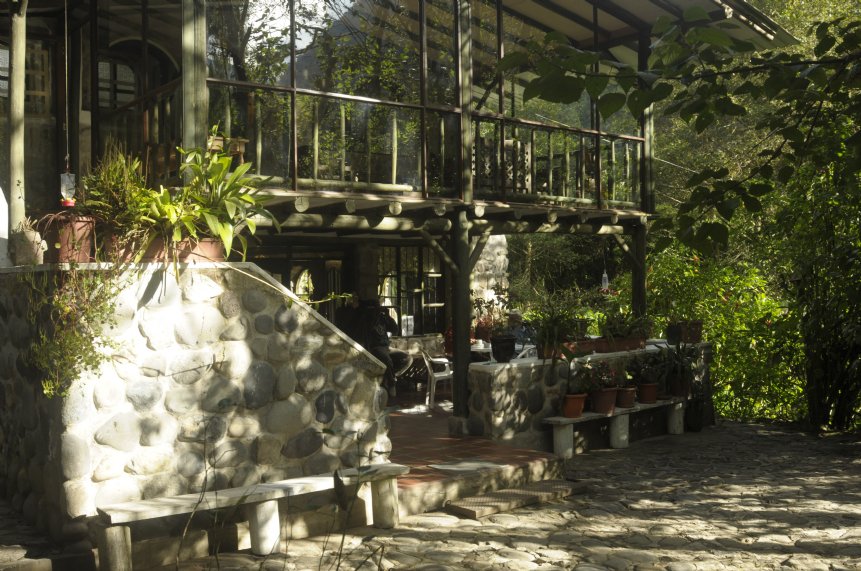
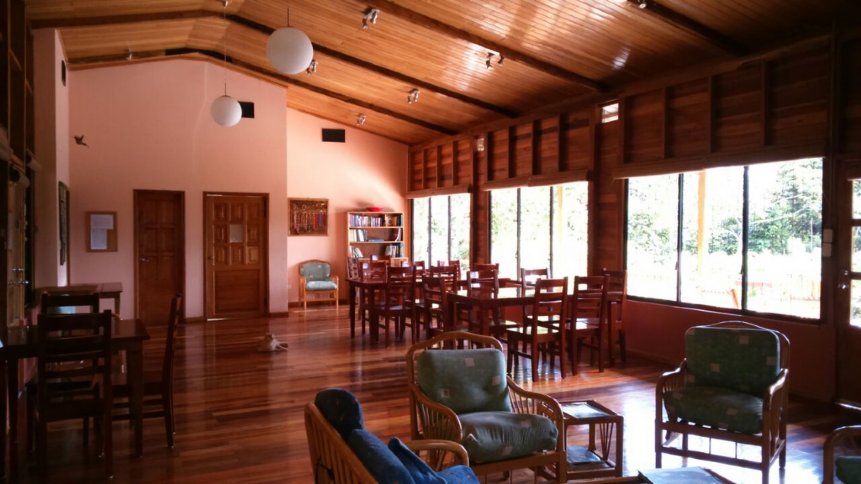
We stay in very comfortable hotels and lodges throughout, and good quality accommodation, often with hummingbird feeders just feet away, is a consideration of this holiday. In many places, hummingbird feeders are active at dawn, and birders and photographers will both appreciate the opportunities presented even from hotel bedrooms and verandahs!
Amazon Rainforest Extension
The bird and wildlife wonders of the greatest rainforest on earth! Our arrival will be along the Napo River, travelling by motorised canoe and giving us the perfect start with many great birds on the way. We then have two full days to explore the many excellent trails, the observation tower and the river itself to appreciate the exuberant wealth of birdlife in the area. One highlight will be our visit to an amazing ‘parrot clay lick’, while night excursions give us opportunities to see nocturnal specialities, mammals and reptiles.
Enjoy your complimentary pre-flight overnight hotel before your holiday begins. Full details from our office! Read more about our Pre-flight Service here!
Day 1: Travel UK to Ecuador
Relax in our complimentary VIP airport lounge, then fly from London Heathrow to Quito where we will be met by our local guide and transferred to our comfortable modern hotel.
Day 2: Land of the Hummingbirds, Quito - Tandayapa - Mindo
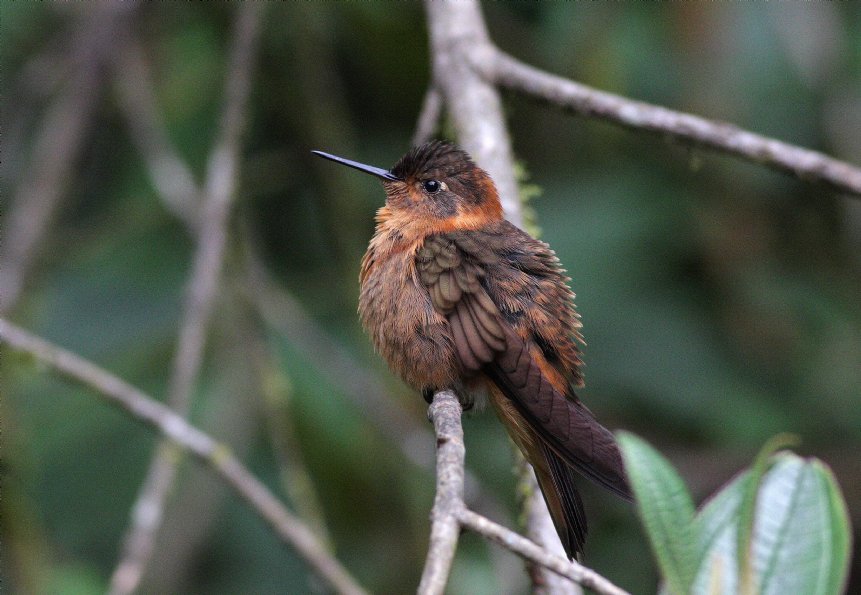
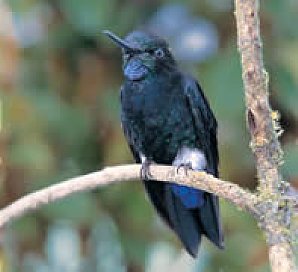
Our birding begins at the Yanacocha Reserve, in the high cloud forest at 10,500ft, among one of the most biodiverse environments on Earth. The reserve protects an area of elfin Polylephis Forest, home to many hundreds of bird, butterfly and orchid species. In this habitat the variety of hummingbirds is a major highlight; Shining Sunbeam, Mountain Velvet-breast, Great Sapphirewing, Buff-winged Starfrontlet, and three species of puffleg including endemic and highly endangered Black-breasted Puffleg, gradually recovering from near extinction, and Purple-backed Thornbill can be found, amongst colourful flocks of tanagers, flowerpiercers, and furnariids. Antpittas and tapaculos call from the dense forest.
After lunch we visit Alambi Cloud Forest Reserve, where 250 species of birds have been recorded, one of the highest totals for a single private reserve in this region. We walk the trails, looking White-faced Nunbird, Crested Guan, Long-billed Starthroat, Maroon-chested Ground-Dove, Undulated, Yellow-breasted and Giant Antpitta, Uniform Tree-hunter, Lyre-tailed Nightjar and the spectacular Long-wattled Umbrella-bird. Tamandúa Anteater may be found in the trees, and with 32 hummingbird species seen at Alambi, this is a wonderful beginning to our holiday.
Late afternoon we head over to Bellavista lodge, with time to rest before an (optional) evening excursion with the chance to see Olinguito - the first new carnivore species discovered in the western hemisphere for 35 years! We stay at Bellavista Lodge for one night.
Day 3: Mindo: Mashpi area - the Oilbird Reserve
Before breakfast we enjoy local birding at the Lodge feeders and within the adjacent forest. After breakfast we head for Mashpi Reserve, in a part of the cloudforest where around 500 birds have been recorded. This is another superb birding location, famous for its impressive list of ‘Choco’ endemics (36 species). This cloud forest is also extremely rich in plants, from ferns and bromeliads to many orchids. We also visit Chontal today, where as many as 100 Oilbirds make their homes in the Los Tayos Cave, which is actually a deep, dark ravine.
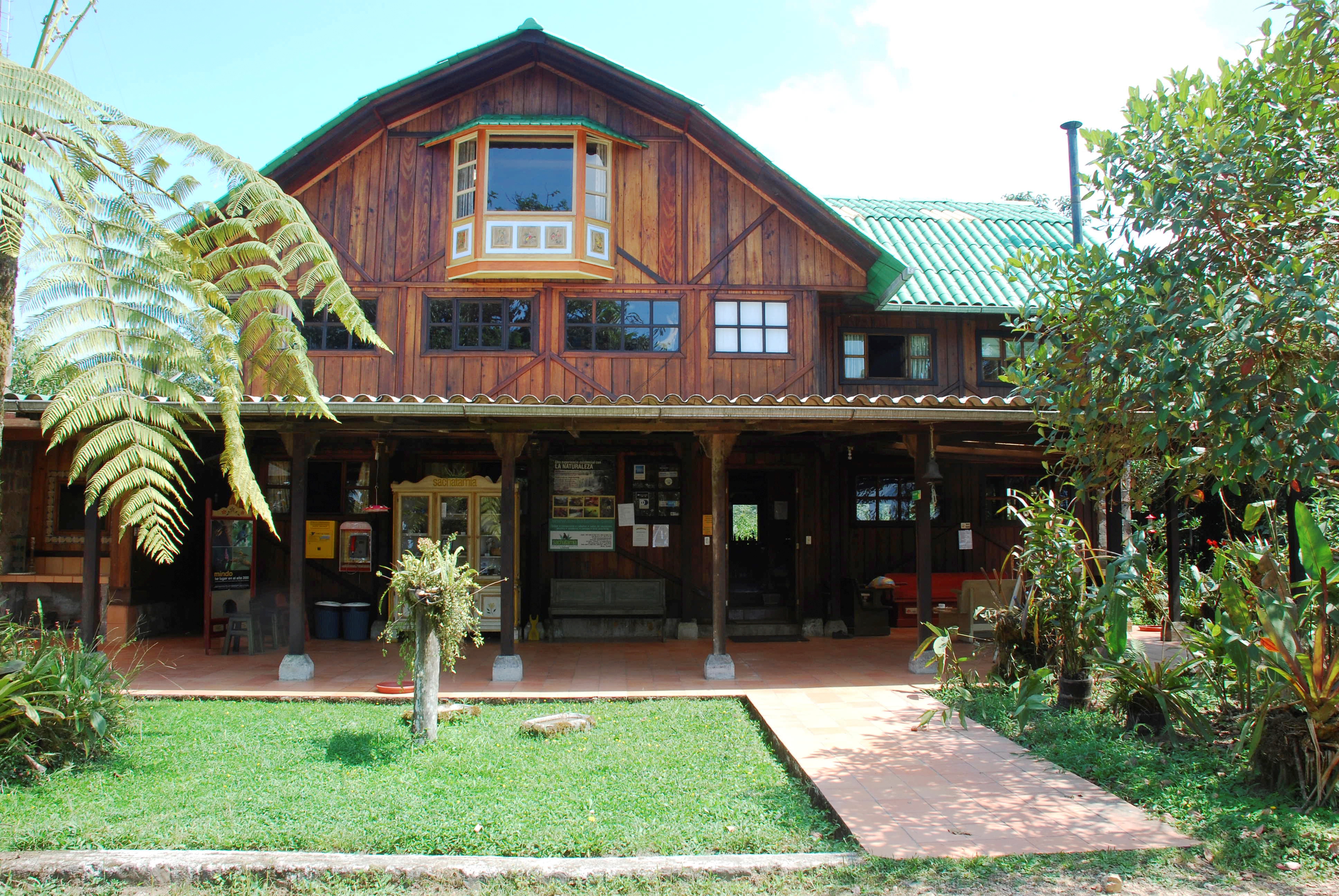
Later we depart for Sachatamia Reserve, a marvellous private ecological reserve close to the protected forest area of Mindo-Nambillo. This region is one of the most bird-rich areas in the world, from the feeders at the Lodge to the birds deep in the forest and along the roadside, you will marvel at the range and diversity of species on offer here. We stay overnight at Sachatamia Lodge for three nights.
Day 4: Mindo: Rio Silanche Reserve -Milpe Reserve
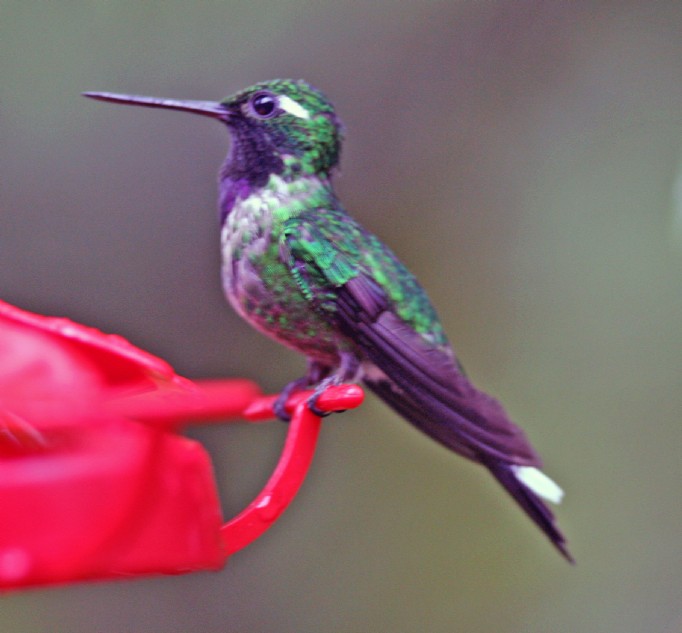
After an early breakfast we drive to Rio Silanche, a tropical lowland reserve which holds an incredible diversity. This important site is home to many endemic birds, including Dusky Pigeon, Purple-chested Hummingbird, Little Woodstar, Choco Trogon, Double-banded Graytail, Stub-tailed Antbird, Slate-throated Gnatcatcher, Scarlet-breasted Dacnis, Scarlet-and-white Tanager, Blue-whiskered Tanager, Gray and Gold Tanager, Blue-headed Parrot, Marron-tailed Parakeet, White-bearded Manakin, Scarlet-thighed Dacnis, Chestnut-mandibled Toucan, Black-headed Tody Flycatcher, Slaty-capped Shriketyrant, and many others.
In the afternoon we visit Milpe Bird Sanctuary, a 155-acre reserve considered to be among the finest sites in Ecuador, and defined as an ‘Important Bird Area’ by BirdLife International. The reserve is a mixture of primary forest, secondary forest, woodland and pasture, and a recent census recorded 247 birds. Amongst these are many of the most spectacular local endemics, such as Plumbeous Forest-Falcon, Moss-backed Tanager, Glistening-green Tanager, Chocó Trogon, Club-winged Manakin, Indigo-crowned Quail-Dove, Double-banded Greytail, Fulvous-vented Euphonia, Emerald and Scarlet-and-white Tanagers, near-threatened Blue-whiskered Tanager and Long-wattled Umbrellabird.
Day 5: Mindo: The incredible umberella bird - Rio Blanco
Early in the morning we head to Los Bancos to see Long-wattled Umbrellabird, still found in reasonable numbers here at the Luis Agila property. These fabulous birds fly from tree to tree searching for insects or fruit and if lucky, we might see the males inflating their long wattle.
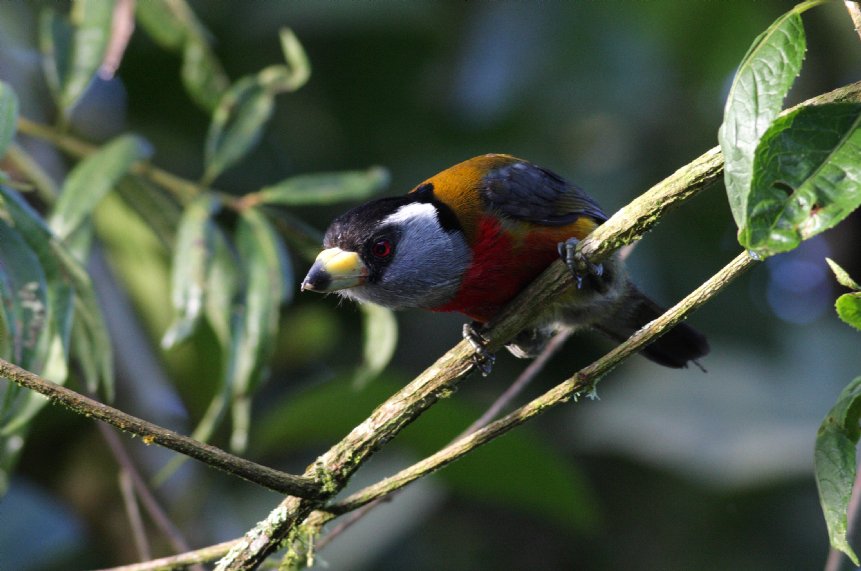
We also visit Mirador del Río Blanco, with incredible valley views, where we may find many different tanagers, and hummingbirds such as tiny Green Thorntail and beautiful Green-Crowned Brilliant. Back at Sachatamia Lodge we may have time to look for special birds including Giant and Scaled Antpitta, Choco Toucan, Scaled Fruiteater, Tanager-Finch and Club-winged Manakin. Other possibilities include Golden-headed Quetzal, Toucan Barbet, Masked Trogon, Golden-naped Tanager, Beryl-spangled Tanager, Strong-billed Woodcreeper, Black and white Owl, Wattled and Sickle-winged Guan, Bronze-winged Parrot, Sparkling Violet-ear, Andean Emerald, Booted Racket-tail and Long-tailed Sylph.
Day 6: The amazing Cock of the Rock
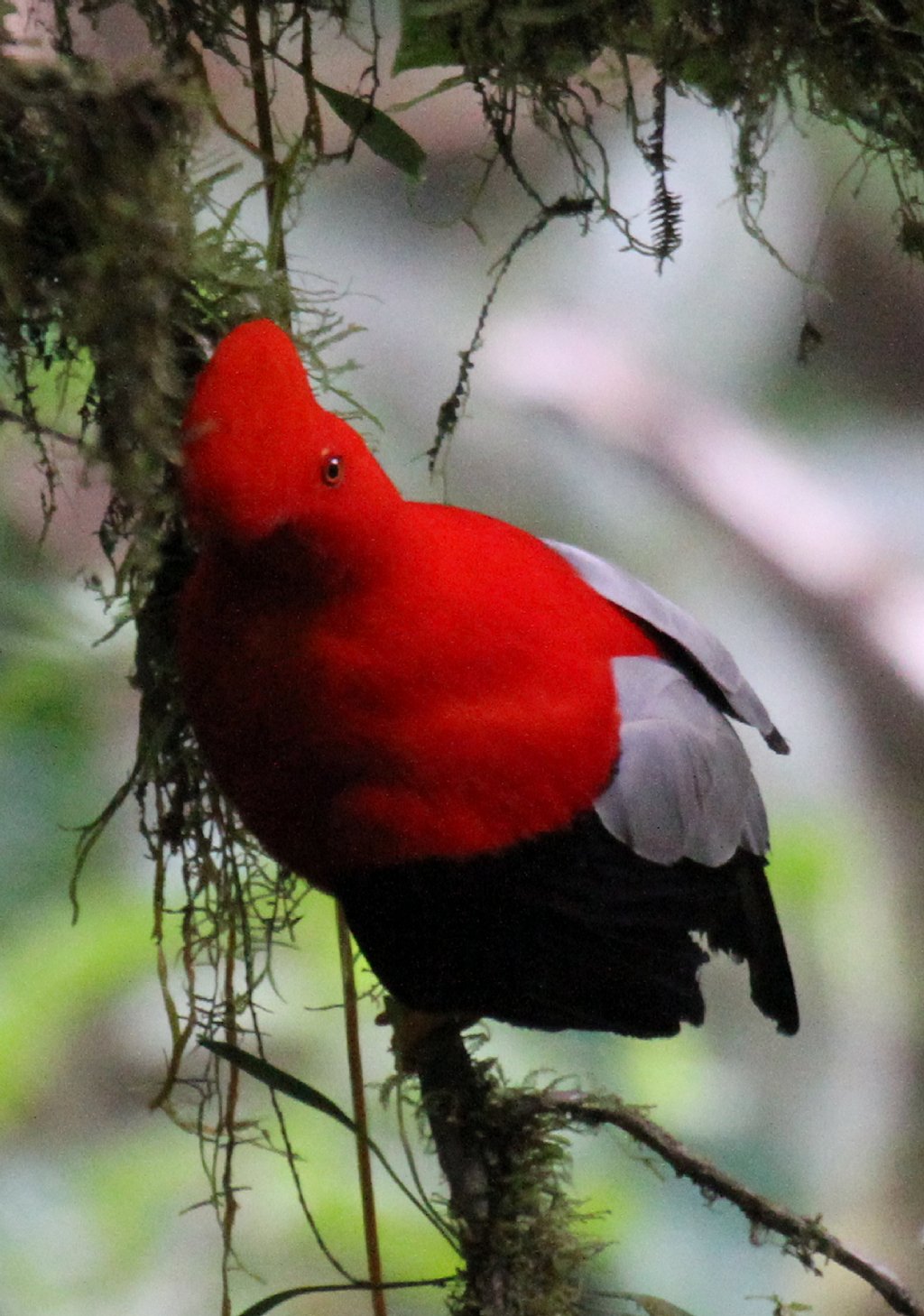
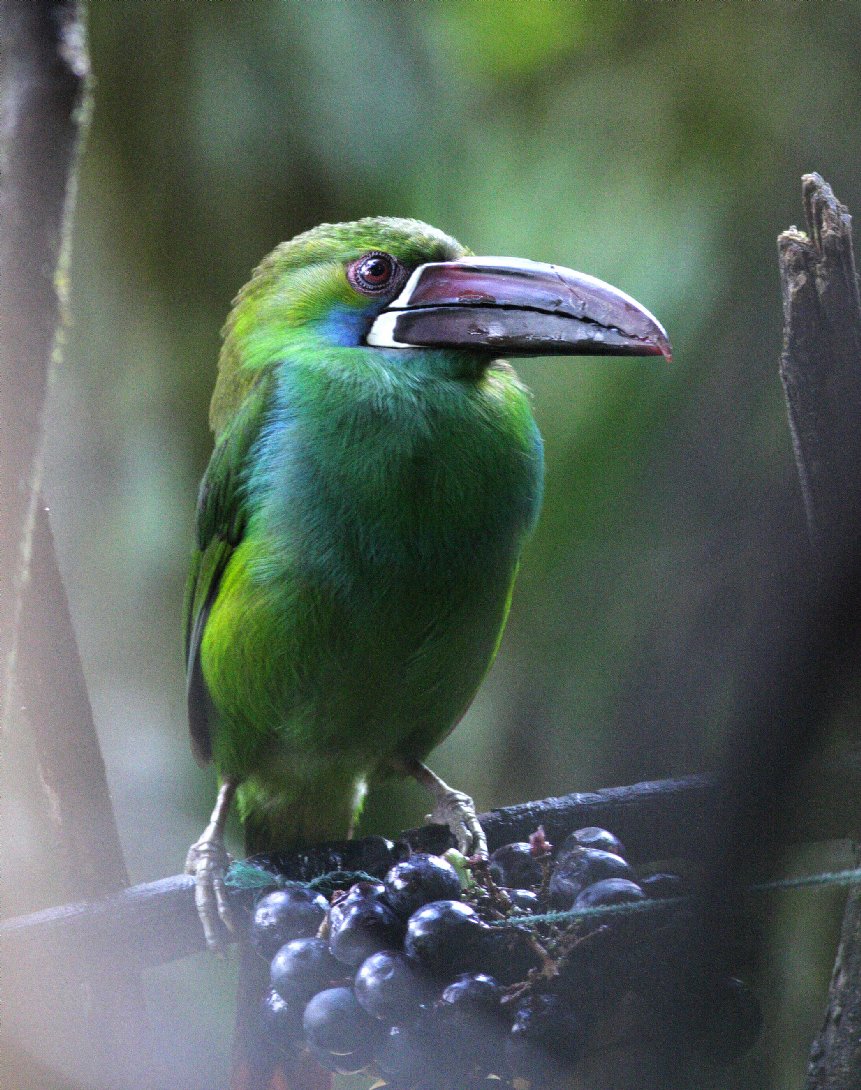
We set off early to witness one of the most amazing birding experiences - the Cock-of-the-Rock lek. The males make bizarre sounds, flip about acrobatically, and display to the watching females. Here at the famous Paz de las Aves Refuge, we may also be treated to exceptional views of Giant, Ochre-bellied, Moustached and Yellow-breasted Antpittas. We also visit the feeding station with chances to see Black-chinned and Blue-winged Mountain-tanager, Toucan Barbet, Dusky Piha, Sickle-winged Guan, Crimson-rumped Toucanet and more. This is a memorable experience, not least because of the 'special relationship' between our host, Angel, and the antpittas, but we can't really describe it - you will have to see for yourself ! A typical and generous breakfast is enjoyed alfresco before we return to Sachetamia Lodge and lunch, followed by a final look at the birds of the forest before afternoon transfer returning to Quito for dinner and overnight.
Day 7: Antisana Ecological Reserve
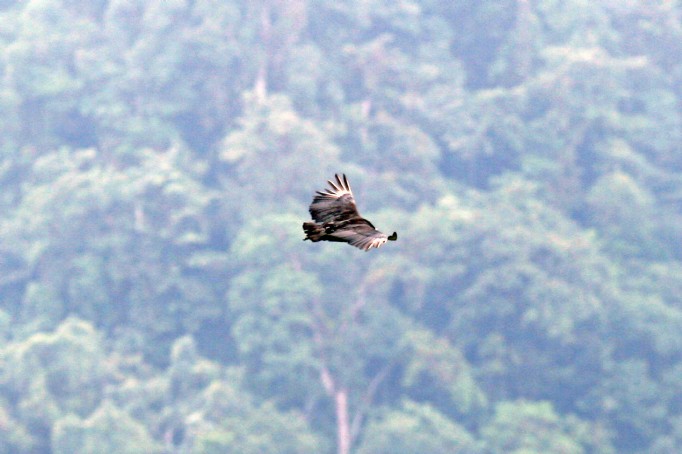
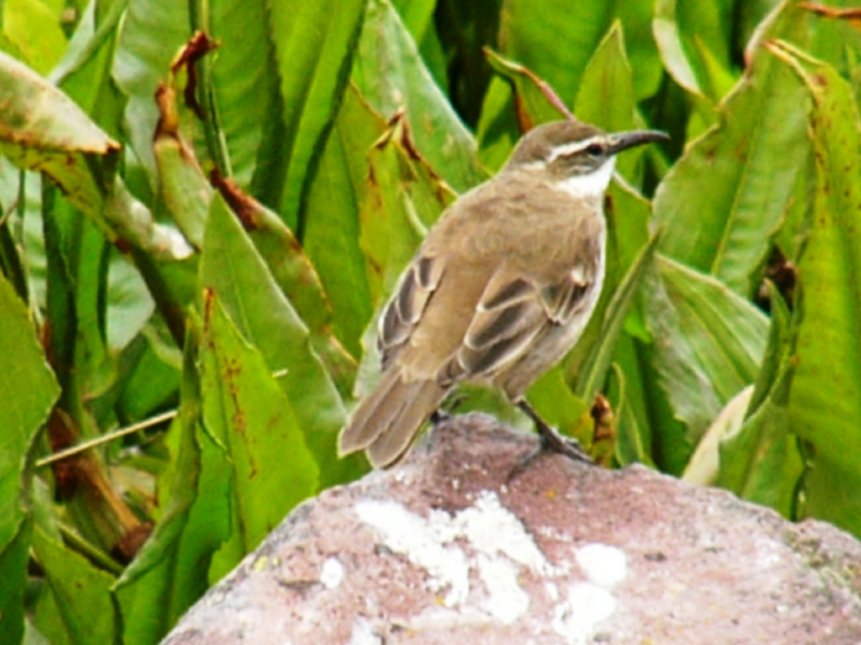
A complete change today, as we travel through a stunning landscape of open páramo, forested ravines, rocky outcrops and glaciated lakes. Antisana Ecological Reserve is one of the best places to see 'páramo' birds, amongst which the most impressive is Andean Condor. This huge vulture has the largest wingspan (about 10.5 feet) of any raptor in the world. Although there are of course no guarantees, you have every chance of seeing this magnificent bird. Other species of this elevated landscape include Black-chested Buzzard-Eagle, Variable Hawk, Black-faced Ibis, Paramo Ground Tyrant, Paramo Pipit, Sedge Wren, Baird’s Sandpiper, Cinereous Harrier, Bar-winged and Stout-billed Cinclodes, Black-faced Ibis, Shining Sunbeam, Red- rumped Bush-Tyrant, Paramo Pipit, Giant Conebill, and Spectacled Whitestart.
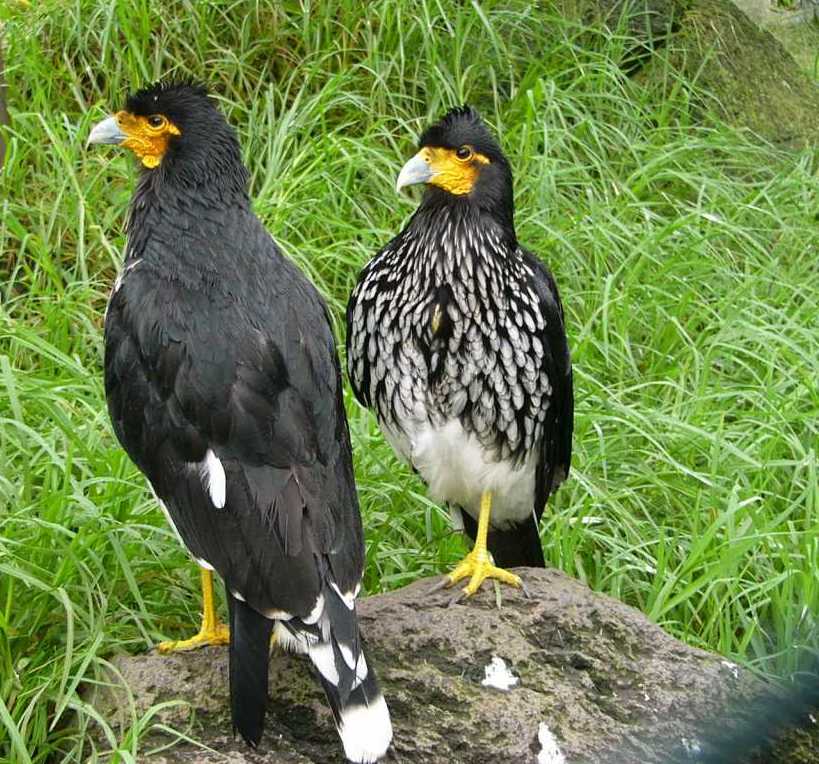
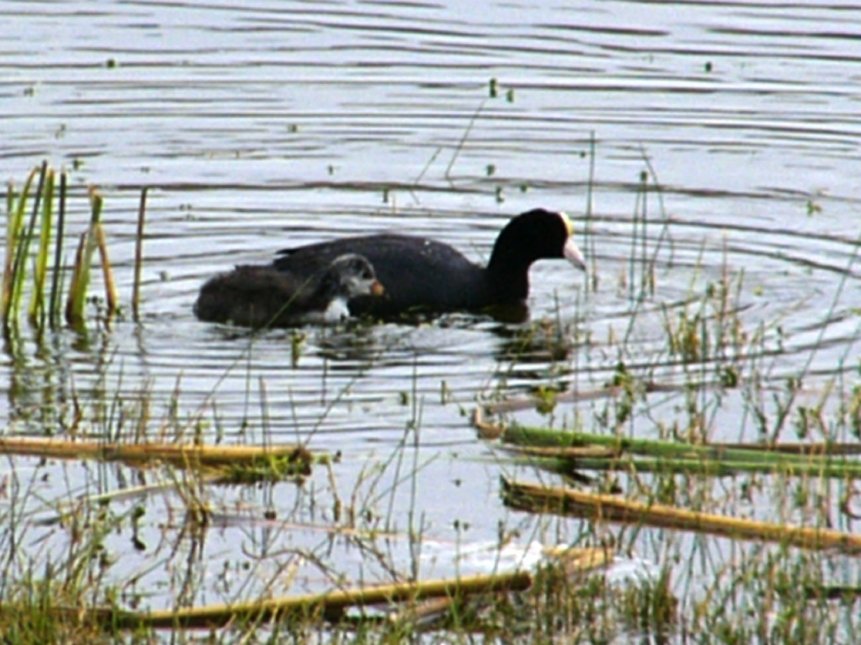
We visit Lake Mica (Laguna Micacocha) to see waterbirds including Silvery Grebe, Andean Teal, Andean Ruddy Duck, Yellow-billed Pintail, Andean Coot, plus many land birds such as Aplomado Falcon, Andean Gull, Andean Lapwing and Carunculated Caracara. Other species include Andean Snipe, Ecuadorian Hillstar, Stout-billed Cinclodes, Bar-winged Cinclodes, Tawny Antpitta, Streak-throated Bush-tyrant, Red-crested Cotinga, Scarlet-bellied Mountain-tanager, Buff-breasted Mountain-tanager, and Black-backed Bush-tanager.
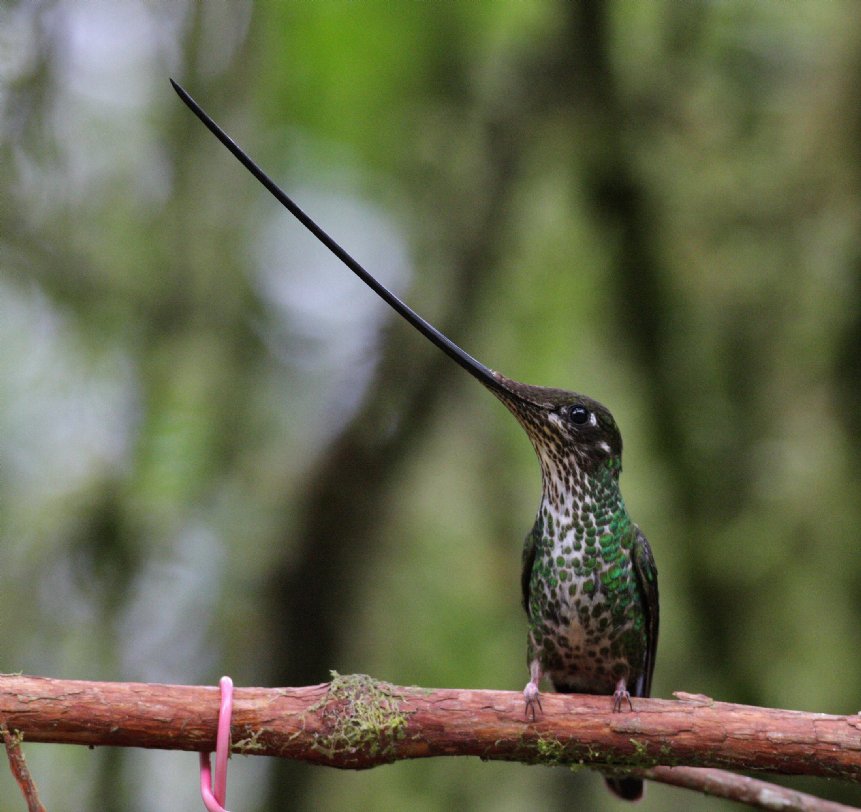
Later in the day we drive through the Papallacta region. This area is classified as ‘humid temperate forest’, characterized by more stunted trees and thicker canopy, cooler climate, and a different avian composition. There are well conserved patches of Polylepis forest here, and it is an excellent place to observe high-altitude species including Variable Hawk, Many-striped Canastero, Tawny Antpitta, Sword-billed Hummingbird, Great Sapphire-wing, Scarlet-bellied Mountain-tanager, Torrent Duck, Torrent Tyrannulet and beautiful White-capped Dipper. We enjoy dinner and overnight at Guango Lodge, on Ecuador's eastern Andean slope.
Day 8: Papallacta - San Isidro Lodge
In the morning and afternoon we walk through the trails of Guango Lodge adding to our list; possibilities include Andean Guan, Plushcap, Slaty Finch, Gray-breasted Mountain-toucan, Pale-naped Brush-finch, Gray-hooded Bush-tanager, Hooded Mountain-tanager, Pearl Treerunner, Mountain Avocetbill, Tourmaline Sunangel, and another chance for Torrent Duck and White-capped Dipper.
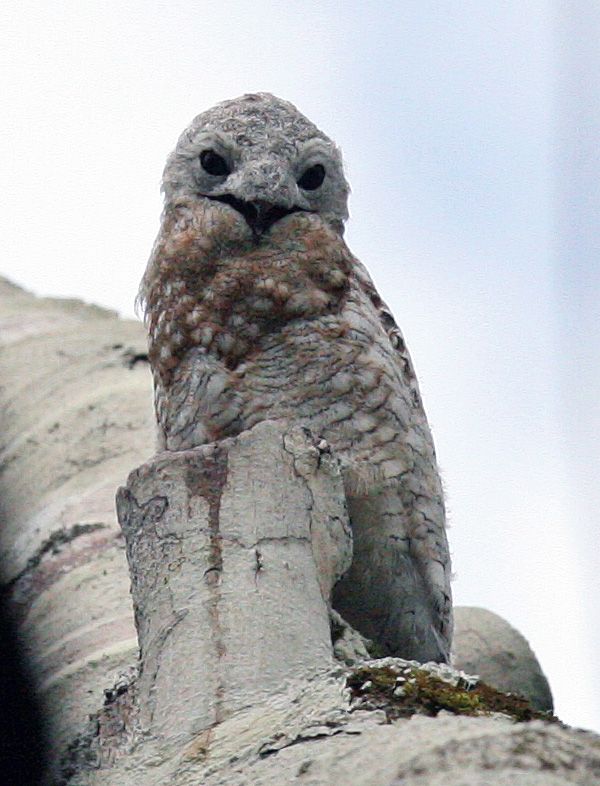
Next we continue to San Isidro, at c. 6,800 ft. in a zone mostly blanketed by extensive humid forest. This combination of factors means agreeable temperatures and great birding! Specialities include Black-chested Fruiteater, Long-tailed Antbird, Barred Antthrush, and little-known Peruvian Antpitta. Night birds include Andean Potoo (rare), Rufous-bellied Nighthawk (regular) and both Rufous-banded and Mottled Owls. The most absorbing night attraction in recent years has been a large and beautiful owl, only currently known from the forests next to the lodge. Studies are underway to determine its identity, to date it is considered to be a species of the genus Ciccaba, often included in the larger Strix genus. Exciting stuff! In the evening we have a nocturnal walk with these owls and nightjars in mind. Overnight for two nights at San Isidro Lodge.
Day 9: San Isidro Lodge Trails
After breakfast we have a full day birding right around the lodge, so we can take our time in this special place. Some of the regular birds include Montane and Olive-backed Woodcreepers, Golden-crowned Flycatcher, Rufous-crowned Tody-Flycatcher, Black-billed Peppershrike, Inca Jay, Bluish Flowerpiercer and Subtropical Cacique. We also visit Antpitta feeders, where you may see White-bellied Antpitta only feet away, and maybe even very rare Peruvian Antpitta. We return to the lodge for dinner and overnight, with another chance for nightjars and owls.
Day 10: San Isidro – Wildsumaco Lodge
After breakfast we depart to Wildsumaco Lodge, and en-route visit The Loreto Road, officially known as the Jondachi-Hollín-Loreto-Coca Road, famous for its birding opportunities. Some notable target birds here include Dark - breasted Spinetail, Ash-browed Spinetail, Montane Foliage-gleaner, Lined Antshrike, Foothill Antwren, Olivaceous Greenlet, Yellow-whiskered Chlorospingus, and Bronze-green Euphonia.
Next we visit Narupa reserve, which protects a large block of eastern Andean foothill forest. Narupa has a growing list of birds that currently includes over 300 species. Five globally threatened species have been recorded, including the flagship species Cerulean Warbler, a long-distance migrant that breeds in eastern North America and winters in northwestern South America.
In the afternoon we visit the Cordillera de Los Huacamayos to walk through one of the specialised birdwatching trails. Among the many different species possible here are Black-billed Mountain-toucan, White-bellied Antpitta, Spillman’s Tapaculo, Bicolored Antvireo, Greater Scythebill and very local White-rimmed Brush-finch among others. Late afternoon we arrive at Wildsumaco Lodge, where we have dinner and stay for two nights.
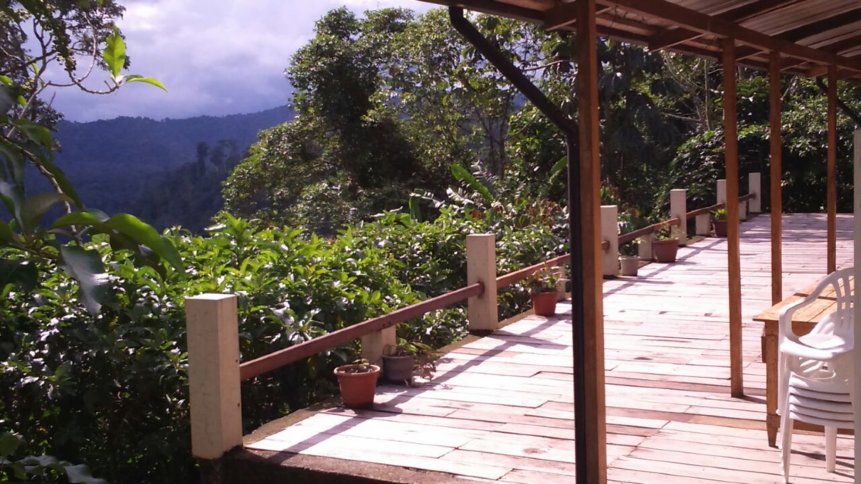
Wildsumaco is a very comfortable lodge with pleasant social areas, a restaurant, bar and a cozy porch from where we can admire magnificent views and birds flying around the lodge.
Days 11 & 12: Wildsumaco Wildlife Sanctuary
During these two days we explore the trails of Wildsumaco Wildlife Sanctuary, located on a ridge in the Andes' Eastern Foothills close to Sumaco National Park and Napo Galeras National Park. Given the strategic location of this place between the Andean foothills and the River Amazon, it is little surprise the Sumaco area holds some of the richest avifauna in the world. A wonderful mix of cloud forest species, foothill specialities, and typically Amazonian birds share Wildsumaco's lush subtropical rainforest with a myriad of other animals. Many of the birds here are rare, endangered, or very difficult to see elsewhere.
Just a few of the birds; Gray-tailed Piha, Blue-rumped Manakin, Military Macaw, Buff-breasted Tody, Blackish Rail, Tropical Screech-owl, Black-banded Crake, and Chestnut-crowned Gnateater. Short-tailed Antthrush and Wing-banded Wren often sing, while more uncommon species including Gray-throated Leaftosser and Plain-backed Antpitta are seen occasionally. Very rare Yellow-throated Spadebill has a territory along the Piha Trail, and at any time endangered Military Macaw or rare Spot-winged Parrotlet might fly by, or Black Hawk-Eagle soar overhead. We may also see Wire-crested Thorntail, Yellow-breasted Antwren, and Coppery-chested Jacamar. Several colourful species of tanager may be accompanied by Ecuadorian Tyrannulet, recently-described Foothill Elaenia, and sometimes Scarlet-breasted Fruiteater.
The lodge is located at about 4600ft, and the reserve ranges from 3900ft to 4900 feet, with incredible panoramic views of the Rio Pucuno Valley and the Andes beyond. A very special place!
Day 13: Wildsumaco – Quito
After breakfast you have one last opportunity to enjoy this amazing place, then we return to Quito, perhaps stopping on the way to search for Orange-breasted Falcon and Cliff Flycatcher. We take a box lunch en-route, arriving late afternoon to our hotel in Quito for a final overnight stay. Tonight we celebrate at a local restaurant with a farewell dinner party. Please note, in 2025 those joining the Amazonian extension will depart directly to the city of Coca today.
Day 14: Departure
After collating a huge birdlist, our guide will collect you after breakfast for transfer to the airport to catch the international flight back to London Heathrow, arriving the following morning (Wed 10 Sept 2025).
Amazon Rainforest Extension - price £1695pp Single Supplement £220
Day 13: Wildsumaco - Coca - Napo
After a little time in the morning to enjoy the Sanctuary trails, we transfer to Coca. Located within the Amazon Basin, we travel along the Napo River by motorized canoe, birdwatching along the route. Among the birds we might see are Zigzag, Cocoi and Striated Heron, Snowy Egret, Plumbeous Kite, Roadside Hawk, Yellow-headed Caracara, Large-billed and Yellow-billed Tern and Oriole Blackbird. The journey takes about two hours, we take lunch en route and should arrive at Yasuní Kichwa Ecolodge in the afternoon. Once settled into our accommodation, we enjoy a short walk down to the banks of the Napo River to enjoy more wildlife and a beautiful sunset. Overnight Yasuní Kichwa Ecolodge for three nights.
Days 14 & 15: Birding the Amazon Rainforest
We have two full days to explore the greatest rainforest in the world, with different trails and an observation tower to appreciate the exuberant wealth of birdlife in the area. Many species will be unique to this extension, among which White-throated Toucan, Many-banded Aracari, Plum-throated and Spangled Cotinga, Swallow-winged Puffbird, Point-tailed Palmcreeper, White-bellied, Parker’s and Plain-crowned Spinetail, Orange-crested Manakin, Long-billed Woodcreeper and many more. From the tower viewpoints and canopy trails we may be lucky to see Spider or Howler Monkey, with endemic Giant River Otter possible at the waterside.
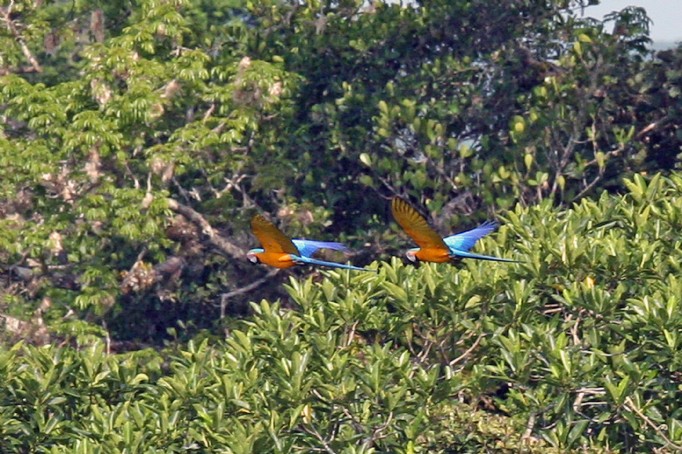
On one day we take an early breakfast and travel by boat to view an amazing parrot clay lick, which regularly attracts up to 11 species including parrotlets and macaws. A night excursion through the forest will be another highlight, with chances to see and hear nightjars and potoos, plus nocturnal mammals, Black Caimans and other reptiles too.
Day 16: Napo Cultural Centre - Quito
After breakfast, there will be the option to participate in traditional, local activities or enjoy a rainforest trail one last time. We return to Coca as we had arrived, birdwatching by motorized canoe before transferring back to Quito where we stay overnight at a city hotel..
Day 17: Quito -UK
After an unforgettable extension into the Amazon, you will be transferred to the airport to catch your international flight home, arriving the following morning (13 Sept 2025).
Please note: all itineraries are given as a guide only. Actual holiday content may vary according to the judgement of your guide, and elements beyond our control (eg weather).
What's included in your holiday price:
- return scheduled flight London Heathrow – Quito - Heathrow. Transfers from and to airport.
- full-board accommodation at hotels and lodges, picnic/lodge lunches
- ground transportation, National Park entry fees
- incidental tips including mealtimes, and the services of your leaders.
- departure tax from Ecuador, incidental tips, and the services of local guides.
- The Heatherlea Pre-Flight Service offers everything you need at the airport, including hotels, car parking, airport lounges, regional flights, and upgrades. Let Heatherlea take the strain! Pre-flight airport hotel and lounge included free of charge, subject to terms and conditions. Read more....
What's not included in your holiday price:
- holiday insurance, optional tips to local guides, drinks, and other personal expenses.
More Holiday Information:
Accommodation: is in comfortable hotels and lodges. All accommodation is en-suite.
Food: many regional specialities exist in Ecuador. Food is good and to European tastes.
Walking: Walking will be generally easy, on marked paths and trails, and you should expect around a couple of miles each day. An average level of fitness is required. We may have to walk slightly further to see antpittas, though this is optional. It is possible we may have to take a walk of around three miles on Day 4 to see Long-wattled Umbrellabird, though we have more than one chance to see this extraordinary bird.
Weather: will be mostly hot, though it is sometimes overcast, and humid after showers. Temperatures will be mostly between the 15C and 27C. In mid-afternoon, the weather is pleasant and good for birding.
Insects: Mosquitoes, and ticks can be a problem in some areas. A good insect repellent is recommended, though some areas are pest-free.
Group size: is restricted to 12 clients maximum.
Flights: are by scheduled airline from London Heathrow. We may be able to offer flight arrangements from another airport and/or or quote without flights. If you wish to add an extension either before or after your holiday, please contact us and we will be happy to arrange this for you.
Bird Photography: Opportunities are good.
Your leaders:
Andrés Trujillo Agudelo is a highly experienced Ecuadorian tour guide, with a comprehensive knowledge of the birds, mammals and other wildlife of his homeland. Andres has been employed as a naturalist guide for many years, leading trips for Heatherlea in the areas covered by this holiday and also the Ecuadorian Amazon. Andres has worked for many south American companies as resident Bird Tour Leader, and we are delighted to welcome him back to Heatherlea. Andres will be joined by another from the Heatherlea team with more than 8 clients.

Andres
Other birding and wildlife holidays in Ecuador & Galapagos
Why choose Heatherlea for your birding and wildlife holiday in the Americas?
Our overseas holidays are planned with care to offer great birding and wildlife, led by capable Leaders who really look after you. Every holiday is run the 'Heatherlea Way', and we hope our Overseas Adventures remind you of the quality and care so many of you enjoy in Scotland. That means rewarding and exciting days in the field, and good quality accommodation and meals, with a real flavour of the country we are visiting. Heatherlea always seek to include the personal touches that make all the difference.
Heatherlea holidays are not ‘dawn to dusk’ expeditions. Our less-intensive approach is ideal for those who want to relax whilst experiencing the best wildlife watching, and wherever possible we organise early or late activity on an optional basis. We also take sensible breaks when in very hot places and regular comfort breaks on every holiday whenever possible. All itineraries are planned carefully around the best wildlife opportunities, and you won’t miss out on memorable wildlife, whilst enjoying relaxed, informal days that are great fun.
The really important part of any wildlife holiday is the experience for you, our valued customer. Heatherlea invest in many things to offer you the best possible service;
- We have been organising birding and wildlife holidays for over 30 seasons, and have a highly experienced and capable office team. We also offer a telephone and email service outside normal office hours.
- Heatherlea overseas holidays have a maximum of 12 clients per trip, putting the emphasis on personal service, and helping you get the best possible experience.
- Our holidays often include things which others might invite you to pay yourself, for instance Departure Taxes and tips to hotels.
- All elements of our holidays are sold under our own licence, ATOL 6113. Under ‘Flight-Plus’ legislation it is a legal requirement of any tour operator to hold an ATOL licence for the supply of any overseas holiday where a flight is involved, if that holiday includes either overseas accommodation and/or car hire. It can be a criminal offence for an operator to book flights as part of a package without an ATOL licence. Heatherlea also hold full Tour Operator Insurance for your added protection.
- Heatherlea is your complete wildlife holiday provider. Our ‘Back Office’ team can organise all your pre-flight and other travel needs. Our specialists will help you book the right services, at the best price. Book holiday extensions through us, and your ATOL protection is extended further. We don’t charge extra for this service.
- Heatherlea is a limited company, registered in Scotland, and registered to pay VAT (applies to all holidays within the European Union).
Trip Reports









- Free Bird Guide
FREE copy of Birds of Ecuador with every room booked on this holiday.
- Tour Info Pack
- Enquire