
NEW! Gambia
A great introduction to African birding - now with 3 centres!
| Destination | |
|---|---|
| Focus | |
| 2024 Dates | |
| Duration | 11 Days |
| Guides | |
| 2024 Price | £3595 pp £275 single supplement. Deposit £800 pre-flight airport hotel and lounge are inc. |
| Max Group Size | 12 |
- Free Bird Guide
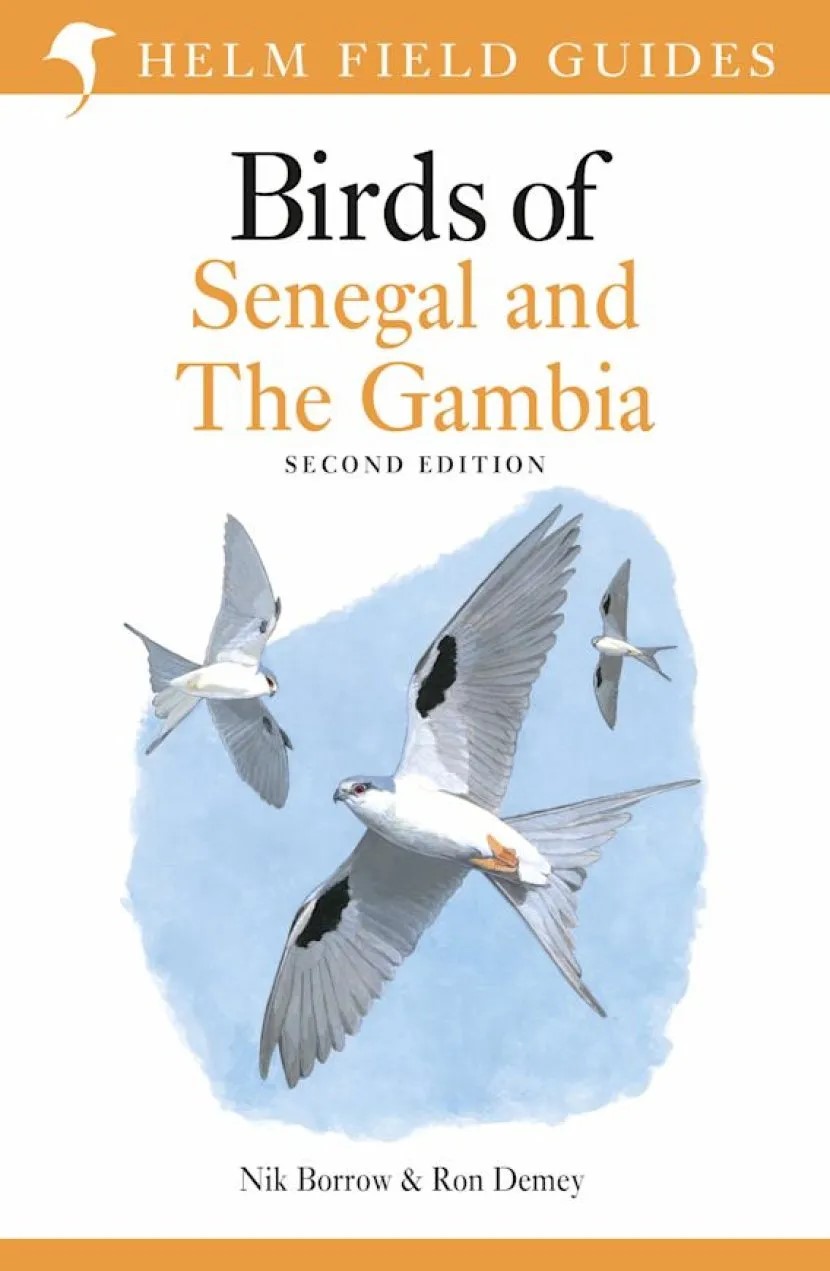
FREE copy of Birds of Senegal and the Gambia with every room booked on this holiday.
- Tour Info Pack
- Enquire
The Gambia is a small, narrow West African country, with a short coastline onto the Atlantic Ocean but otherwise completely surrounded by Senegal. A superb option for British birders, Gambia offers the nearest tropical forest to the UK, is easily accessible from London and is largely considered very safe and friendly for visiting tourists. Comfortable hotels are close to some of the best birding sites, and within just a few miles we can choose from, mangrove swamp, tidal estuaries, riverine forest, marshland and the edge of the West African Forest.
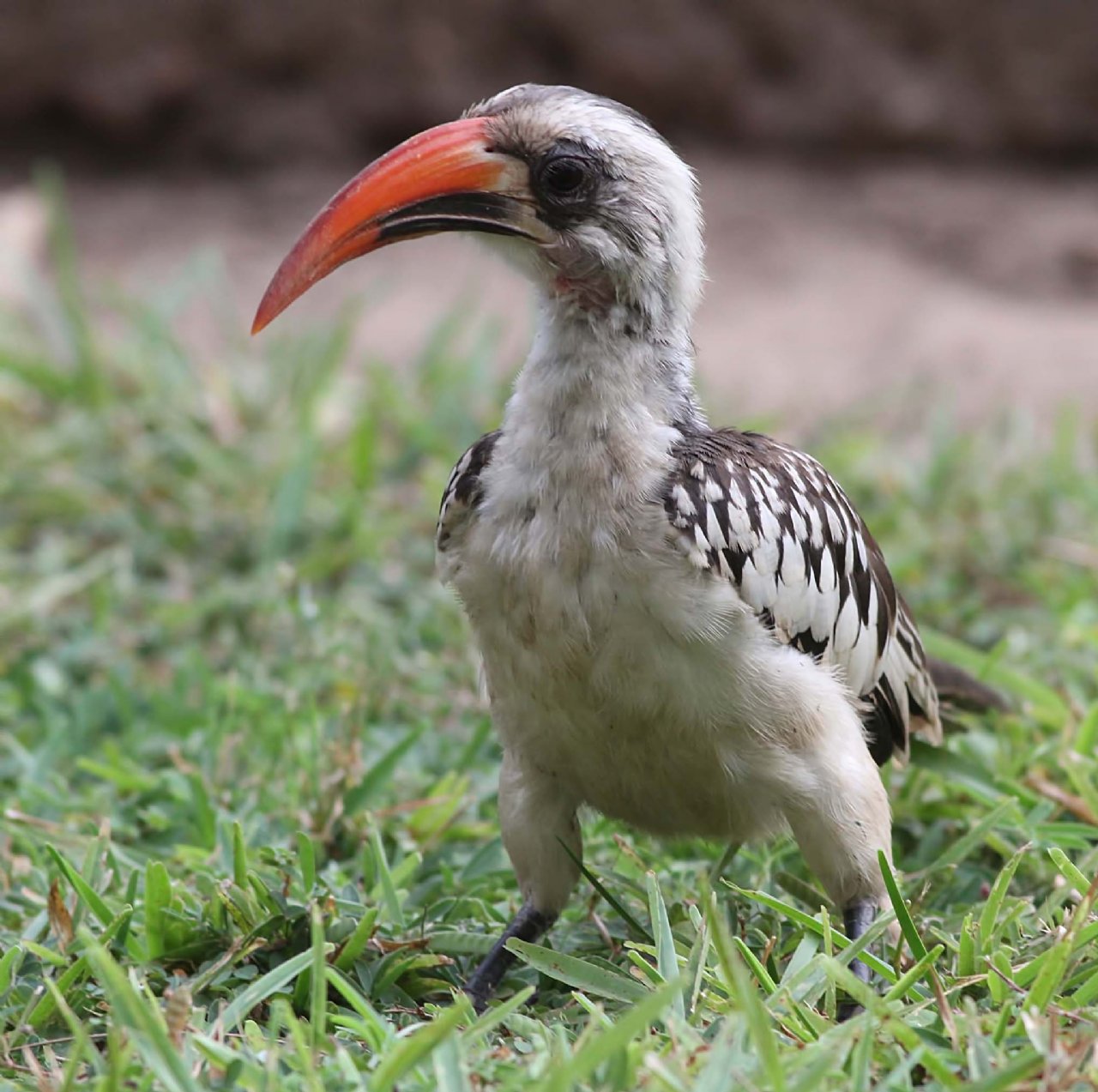
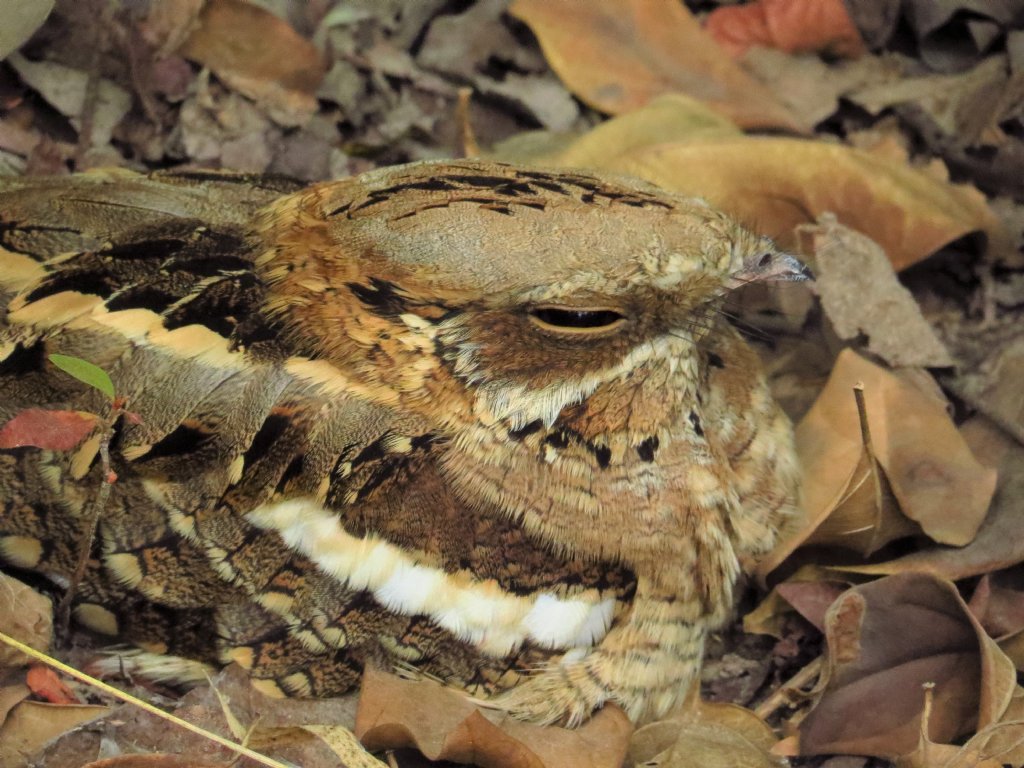
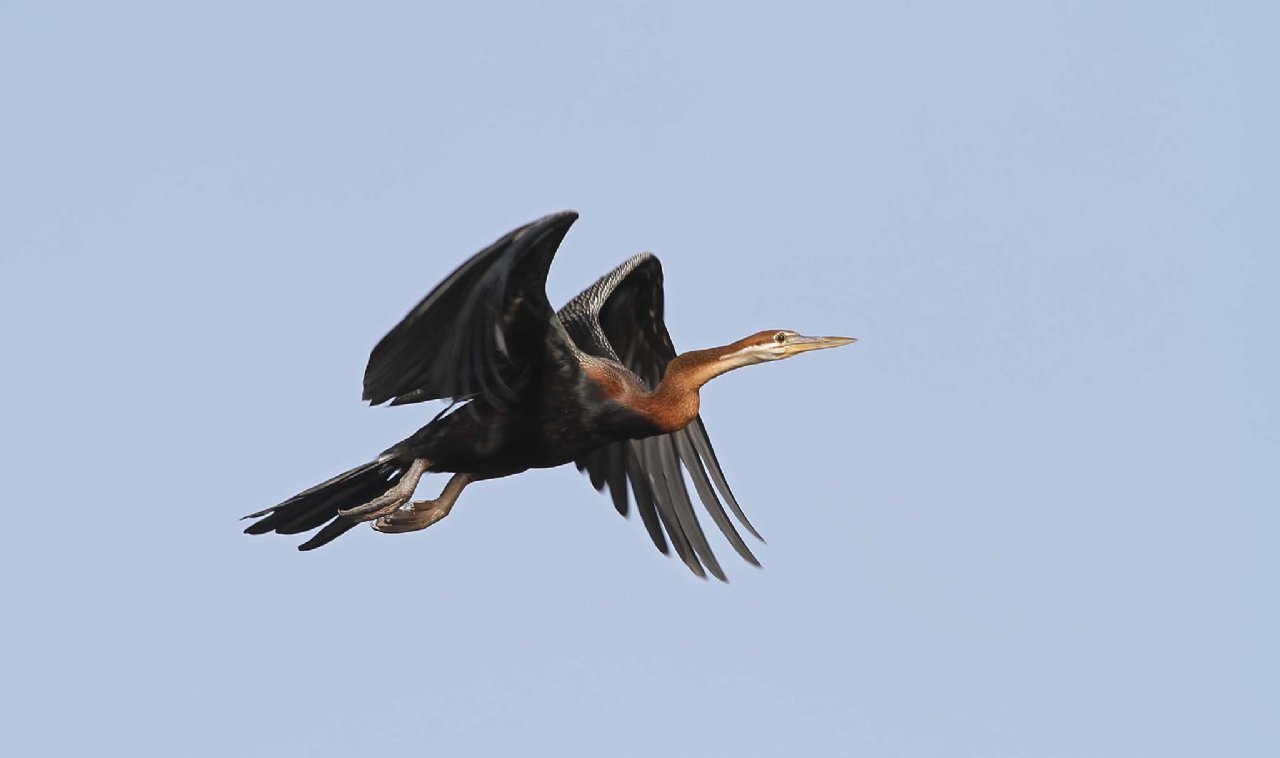
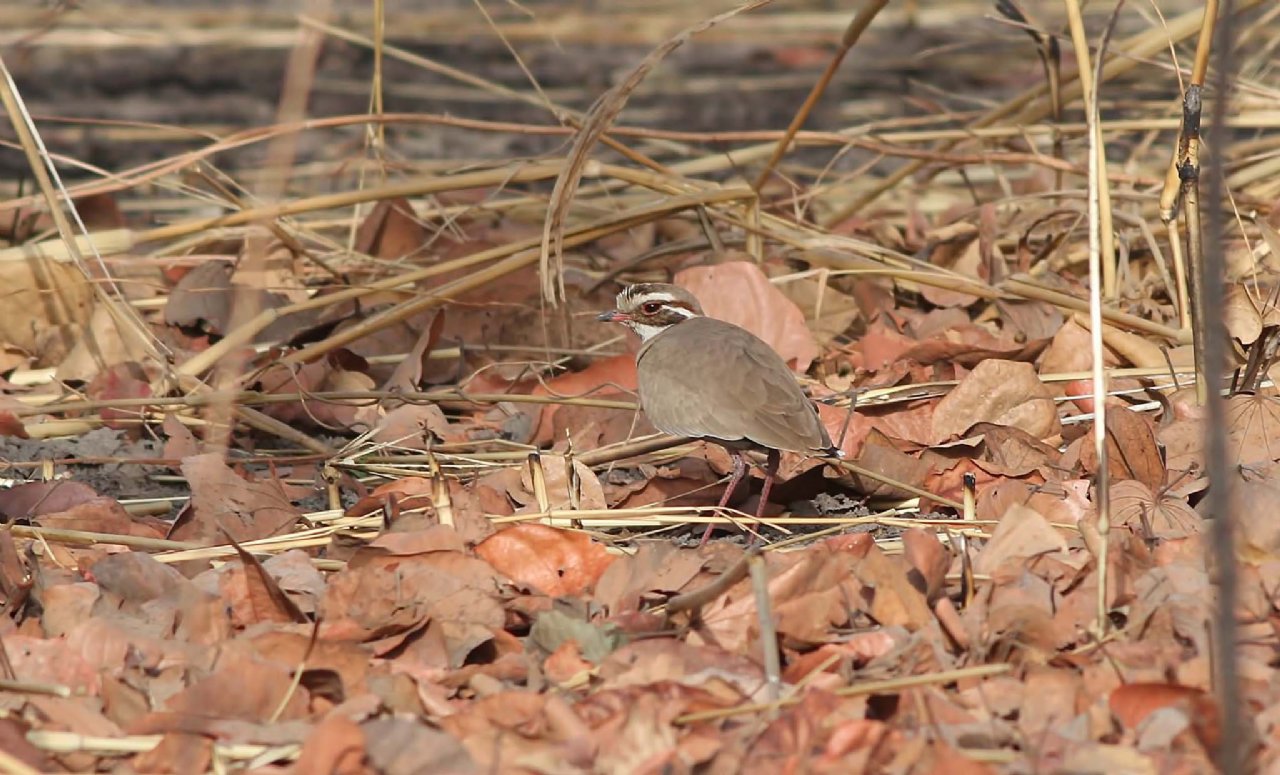
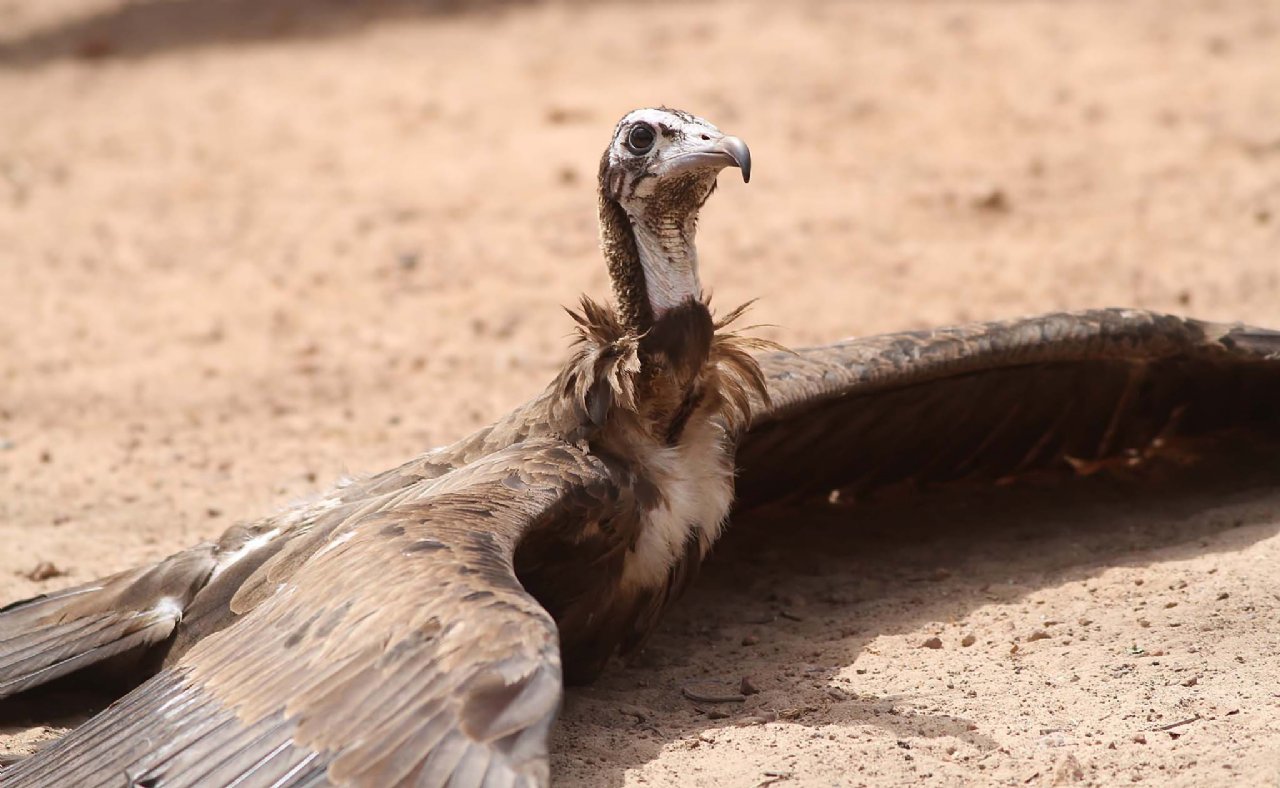
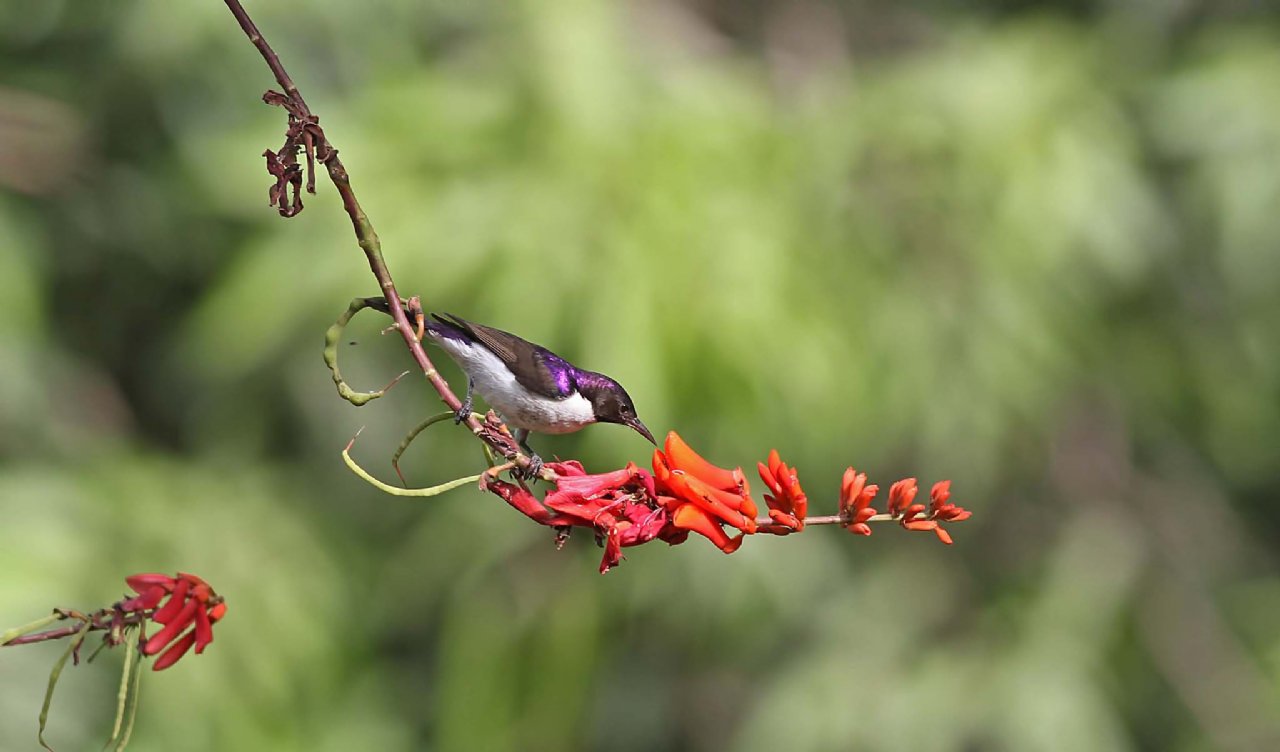
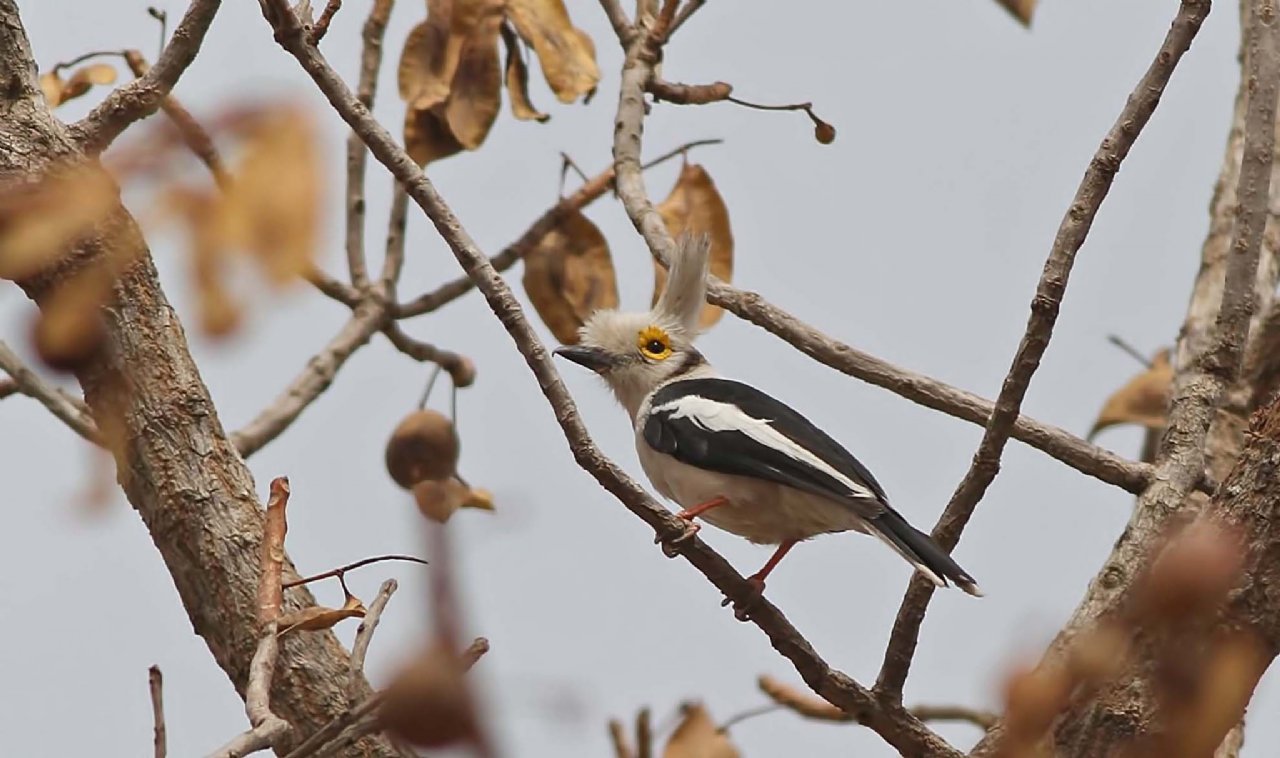
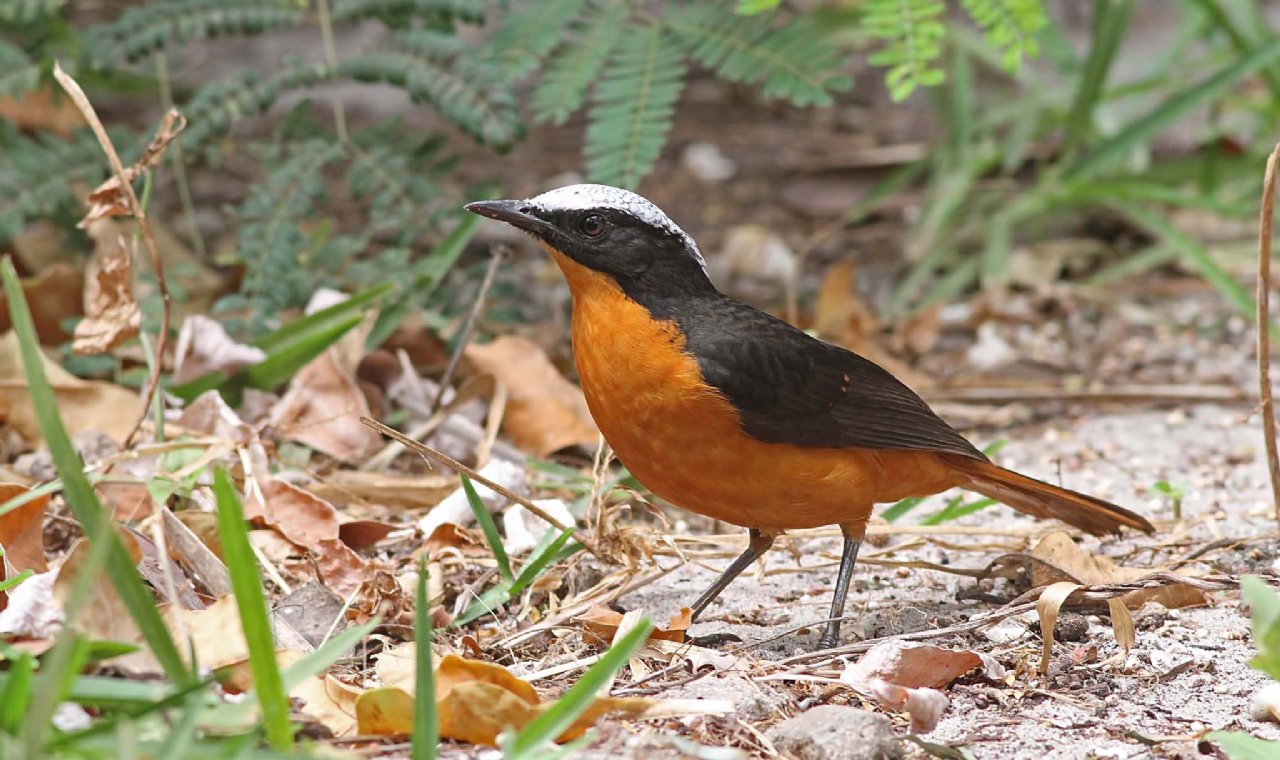
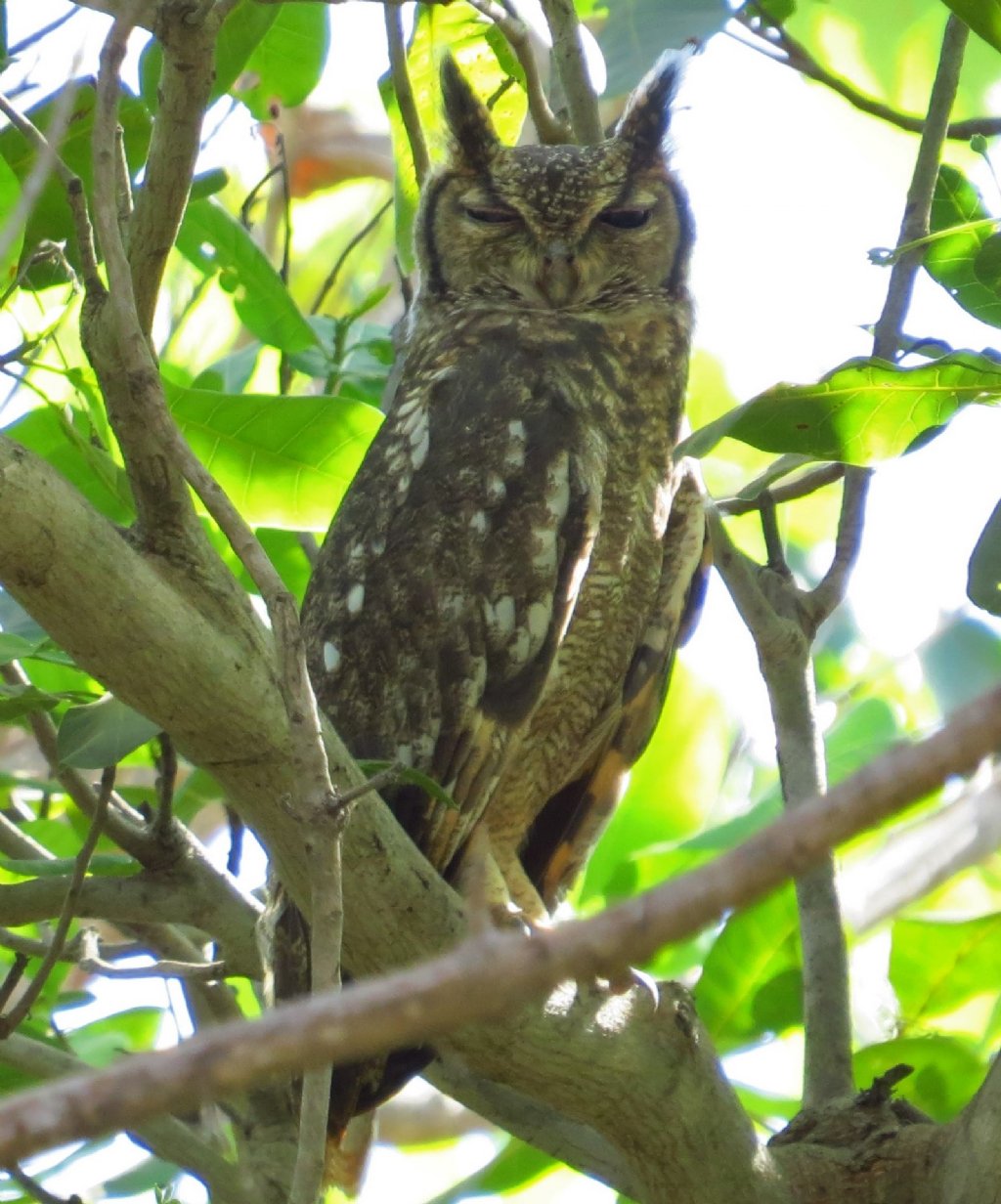
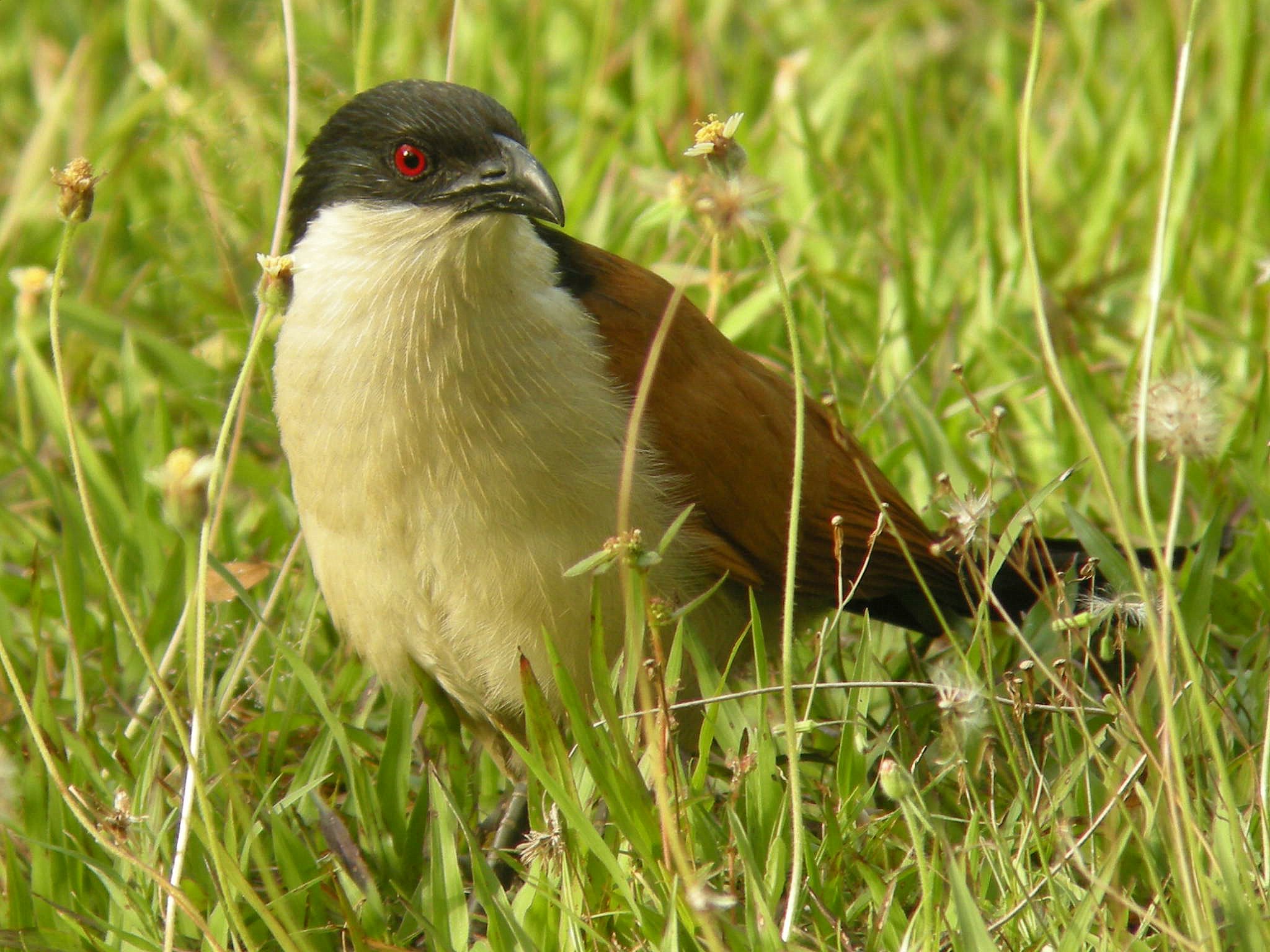
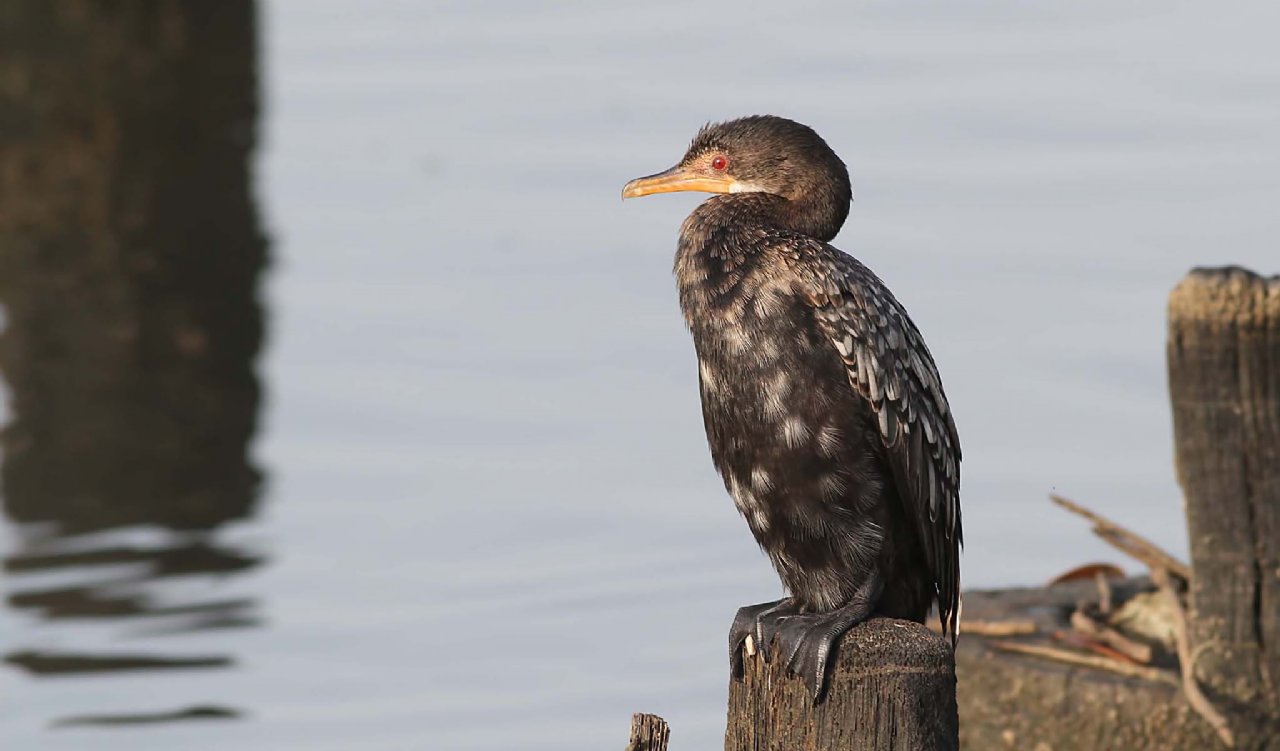
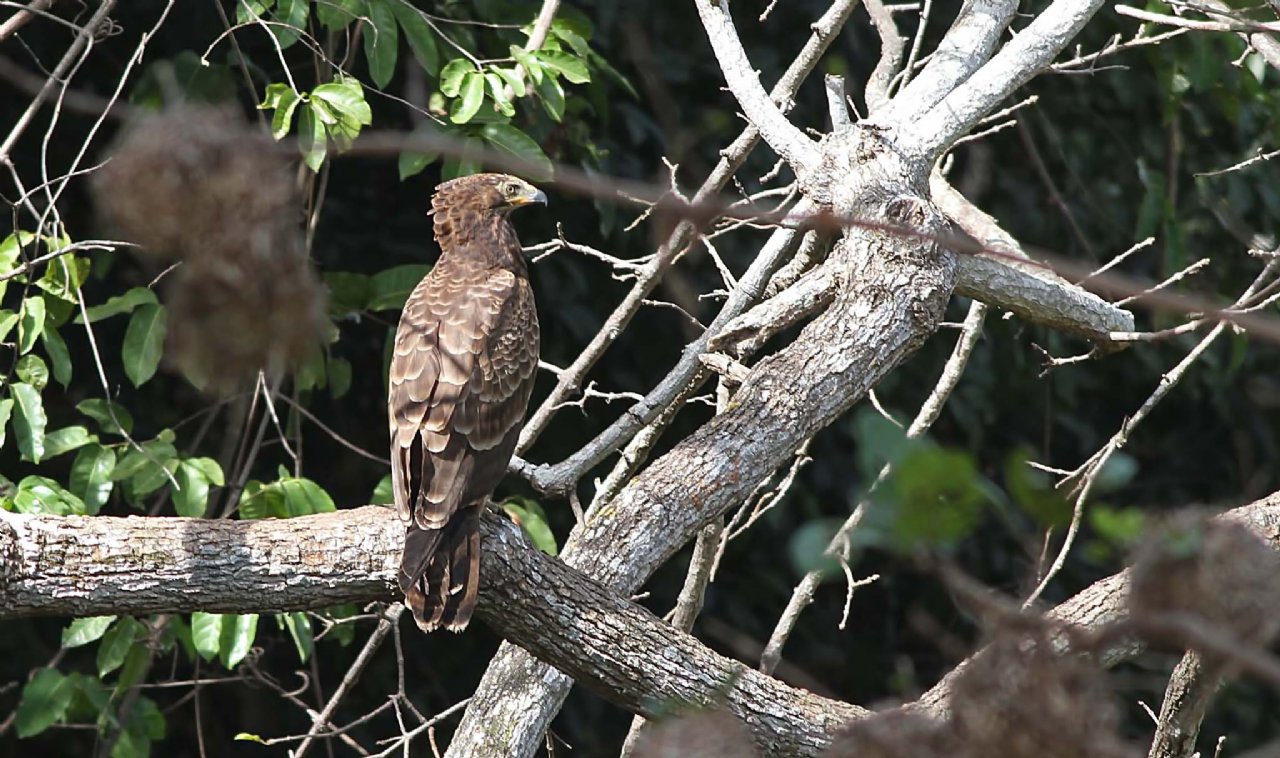
Always an enjoyable and straight-forward introduction to African birding, in 2024 we are pleased to expand this very successful holiday to cover even more exciting habitats and birdlife, lasting for eleven days and staying at three centres instead of two as previously. Key targets include African Darter, African Finfoot, Hamerkop, White Crested Tiger Bittern, Black Heron, Woolly-necked Stork, Savile’s and Black-bellied Bustard, Egyptian Plover, Hooded Vulture, Wahlberg’s and Beaudouin’s Snake-Eagle, Martial Eagle, Double-spurred Francolin, Ground, Red-billed and Grey Hornbill, White-headed Helmet Shrike, Senegal Parrot, African Green Pigeon, White-faced Scops Owl, African Wood Owl and Greyish Eagle Owl, Long-tailed and Standard-winged Nightjar, Abyssinian Roller, Senegal Coucal, Oriole Warbler, Copper, Green-headed and Long-tailed Sunbird, Violet Turaco, Orange-cheeked Waxbill, Oxpecker, Green Crombec, Snow-crowned Robin-chat, Fanti Saw-wing, Red-bellied Flycatcher and plenty of others.
As usual, we shall be keeping an eye out for other wildlife of the area including some spectacular butterflies and reptiles such as Nile Monitor Lizard and Green Vervet and Red Colobus Monkey on this rewarding, and generally relaxing birding holiday! Visiting a number of the best sites in The Gambia, we take our time to explore as we to try and see most of the target birds. That said, our tour is generally easy-paced, the weather dry and sunny and the daytime temperatures comfortable, at between 25°C and 35°C. Many Heatherlea birders return to the Gambia more than once, and with such a great experience on offer and some new sites for 2024, it is easy to see why!
Enjoy your complimentary pre-flight overnight hotel before your holiday begins. Full details from our office! Read more about our Pre-flight Service here!
Day 1: Transfer London - The Gambia
We meet in our comfortable airport lounge before we fly from London to Gambia, and transfer to our first hotel. Close to the beach, with a lively craft market and several restaurants nearby, this is a popular starting point for our tour! Currency exchange is available very close to the hotel and depending on arrival time, we may take a leisurely walk around the adjacent area before dark. This will be our first chance to see a variety of raptors, doves, rollers, kingfishers, herons and passerines - species that will become familiar during our trip. We stay at Bakotu Hotel for the next six nights.
Day 2: Kotu Creek and Brufut
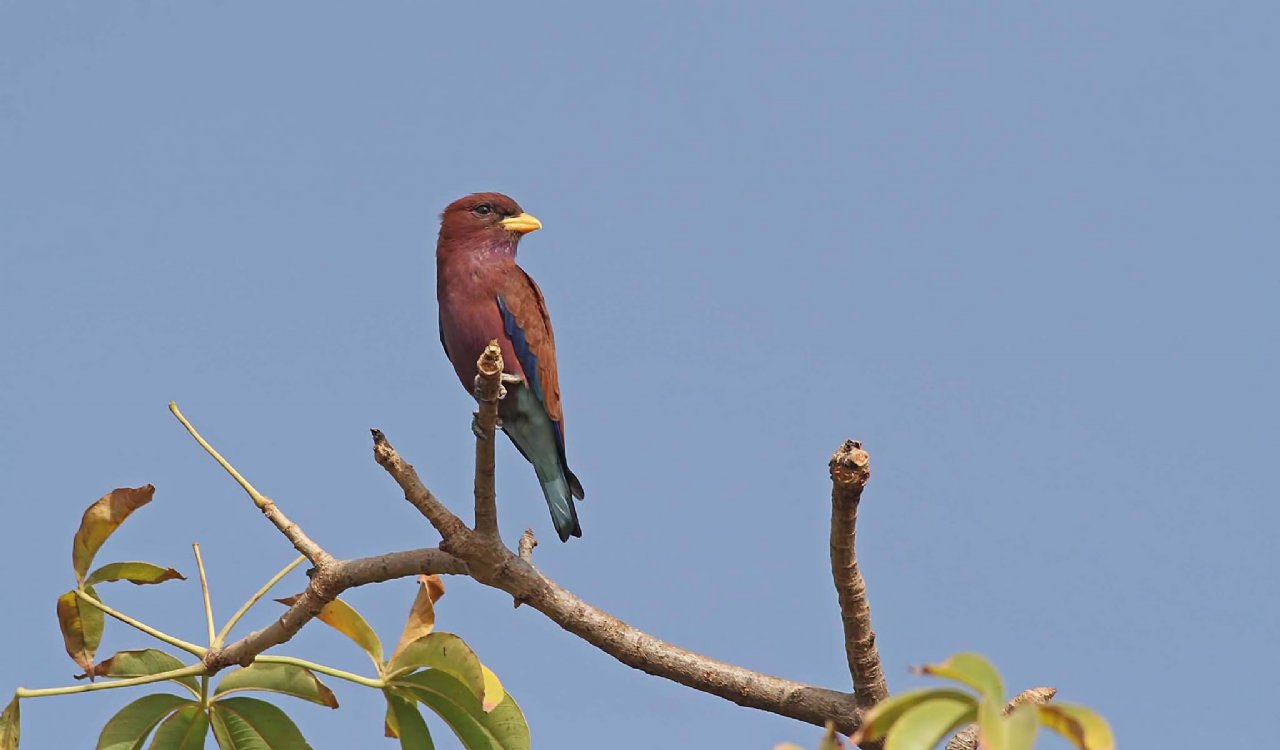
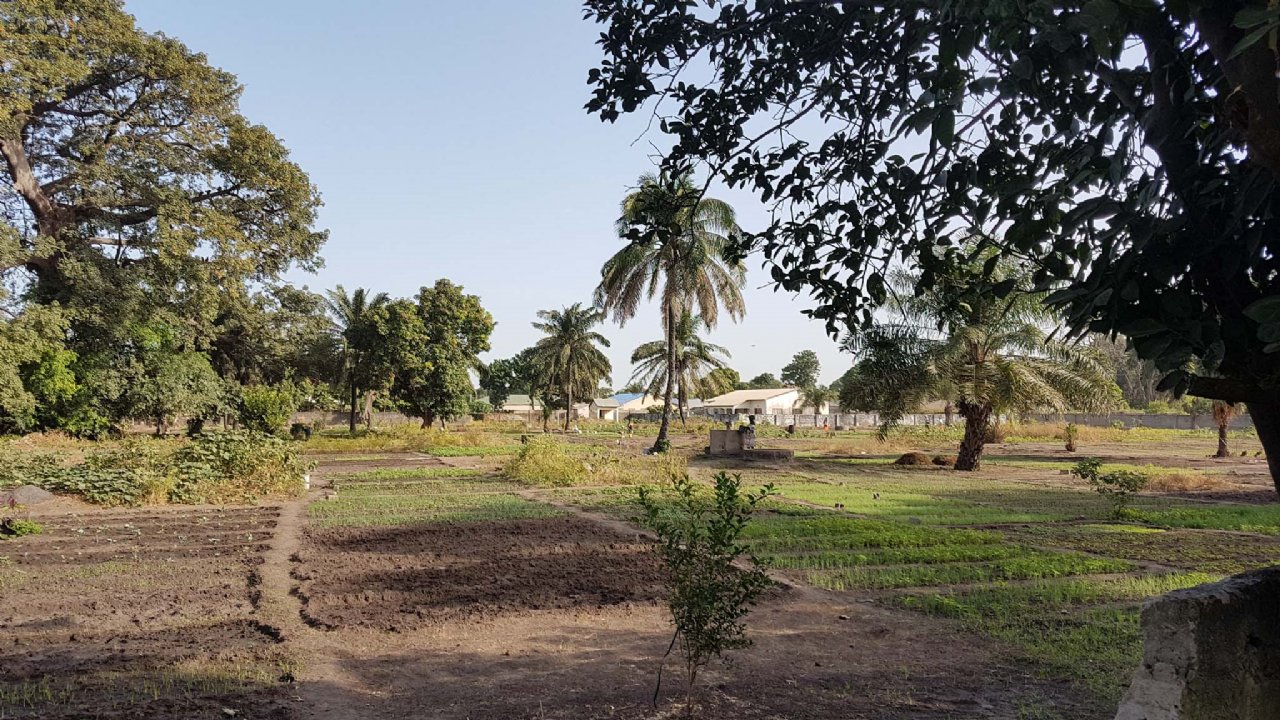
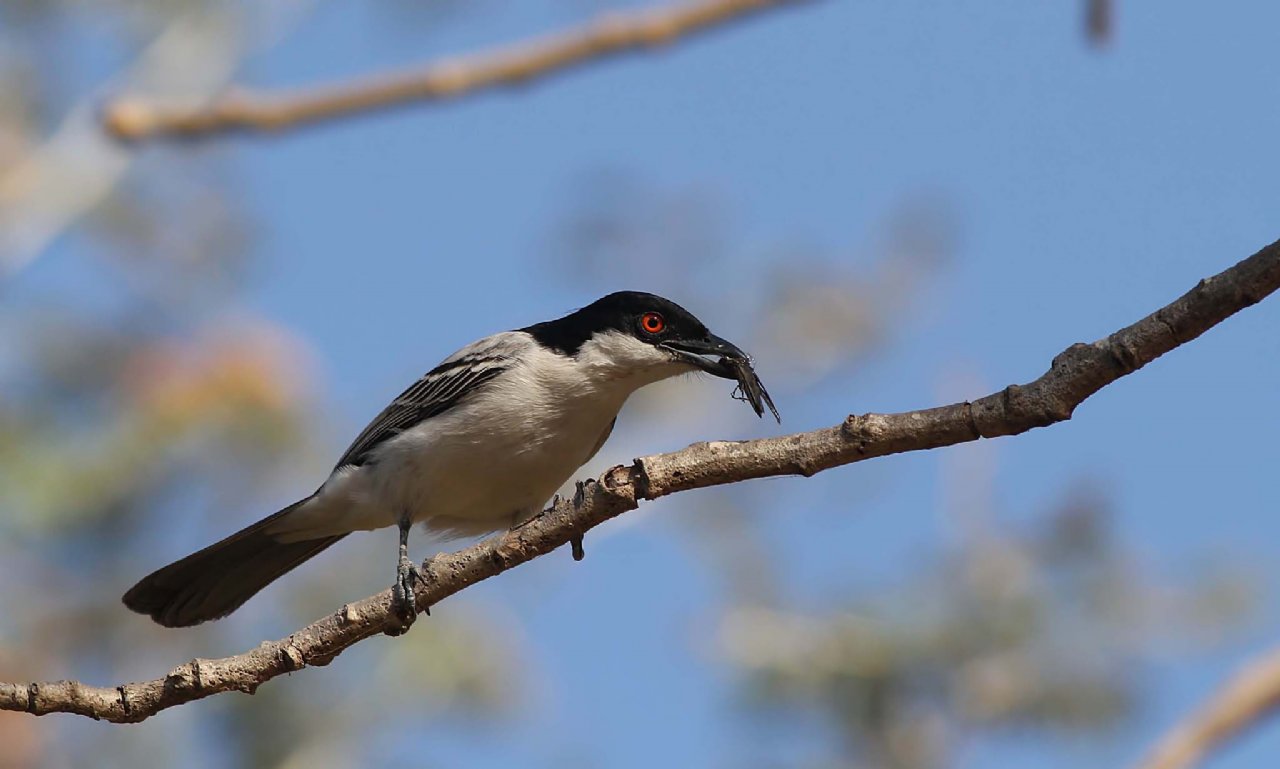
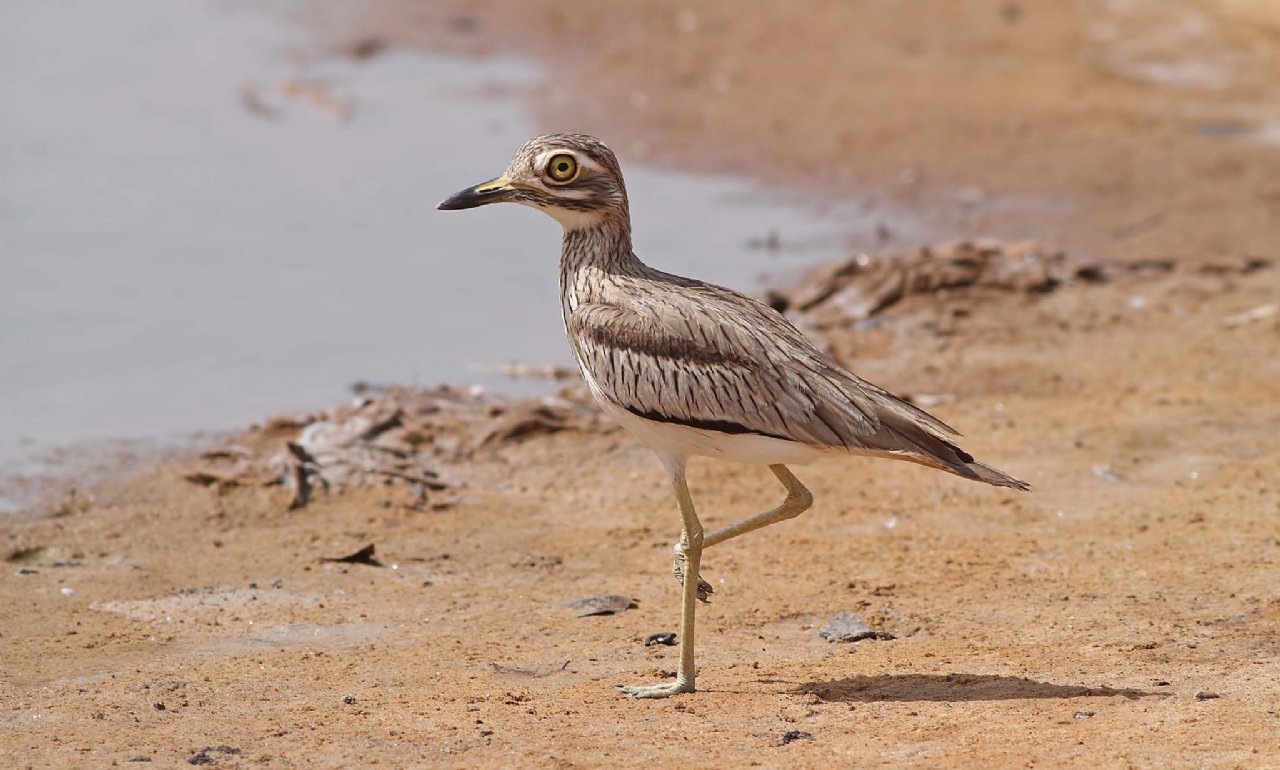
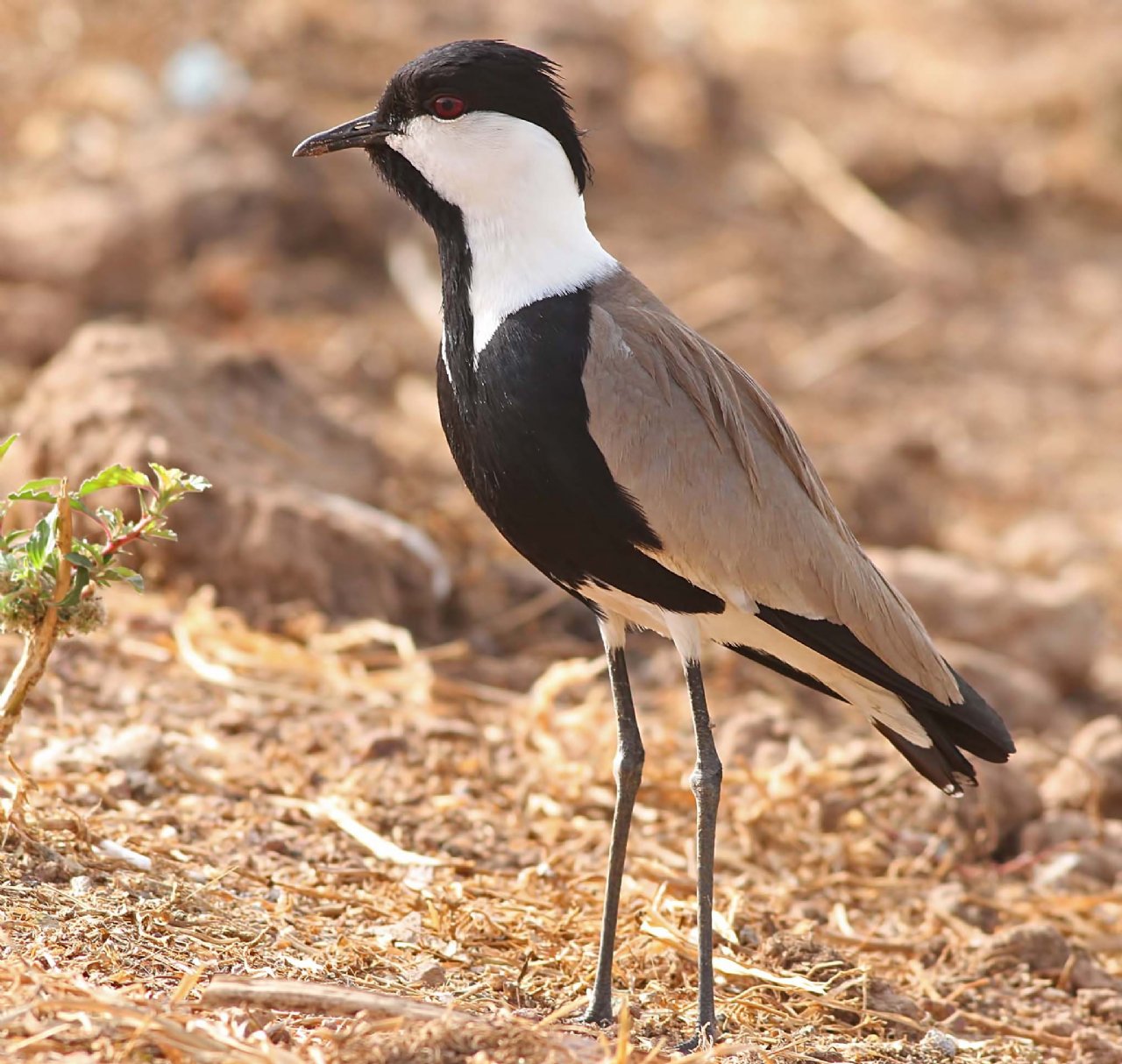
On the first morning we take a leisurely walk around Kotu Creek, nearby rice fields and acacia woodland, getting to grips with some commoner West African species. The tidal creek and immediate surroundings are excellent for waders, herons, egrets, kingfishers, raptors and doves as well as Double-spurred Francolin, White-faced Whistling Duck, Yellow-billed Shrike, Long-tailed Glossy Starling and cumbersome Western Grey Plantain-eater. We may see up to three roller species and perhaps as many as four kingfishers. Also likely are Green Wood-hoopoe sitting in a palm tree, or Black Heron demonstrating its famous umbrella fishing technique! Noisy Senegal Thick-knee, Spur-winged and Wattled Lapwing may be found in the creek and we may also see Grey Kestrel and Greater Painted Snipe this morning, reaching c.70 species by lunchtime.
After lunch at Kotu, we then visit nearby Brufut Woods, a bird sanctuary since colonial days. This protected woodland and scrub has fruiting fig trees and is home to African Paradise Flycatcher, African Green Pigeon, Senegal Parrot, Violet Turaco, Yellow-throated Leaflove, Klaas’ Cuckoo plus various sunbirds and finches. Roosting Northern White-faced Owl and Long-tailed Nightjar may also be seen, as a variety of raptors pass overhead.
Day 3: Abuko and Tambi
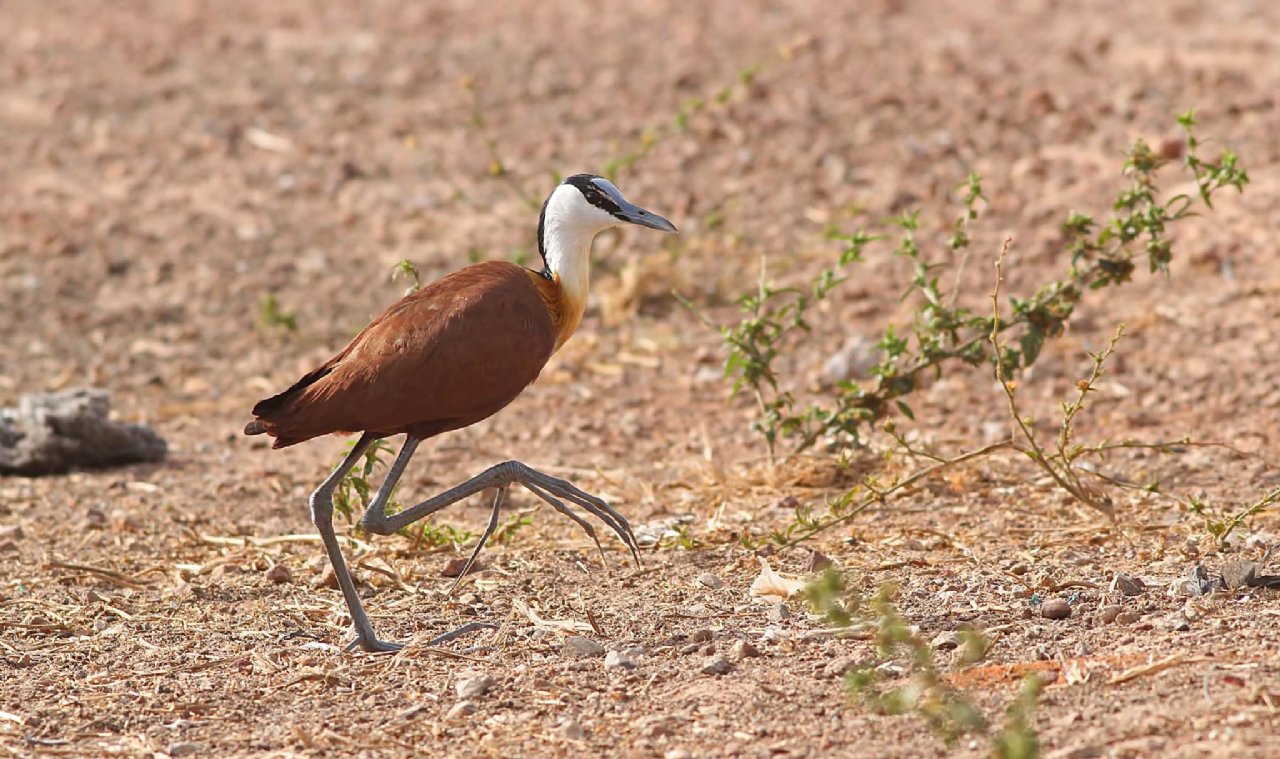
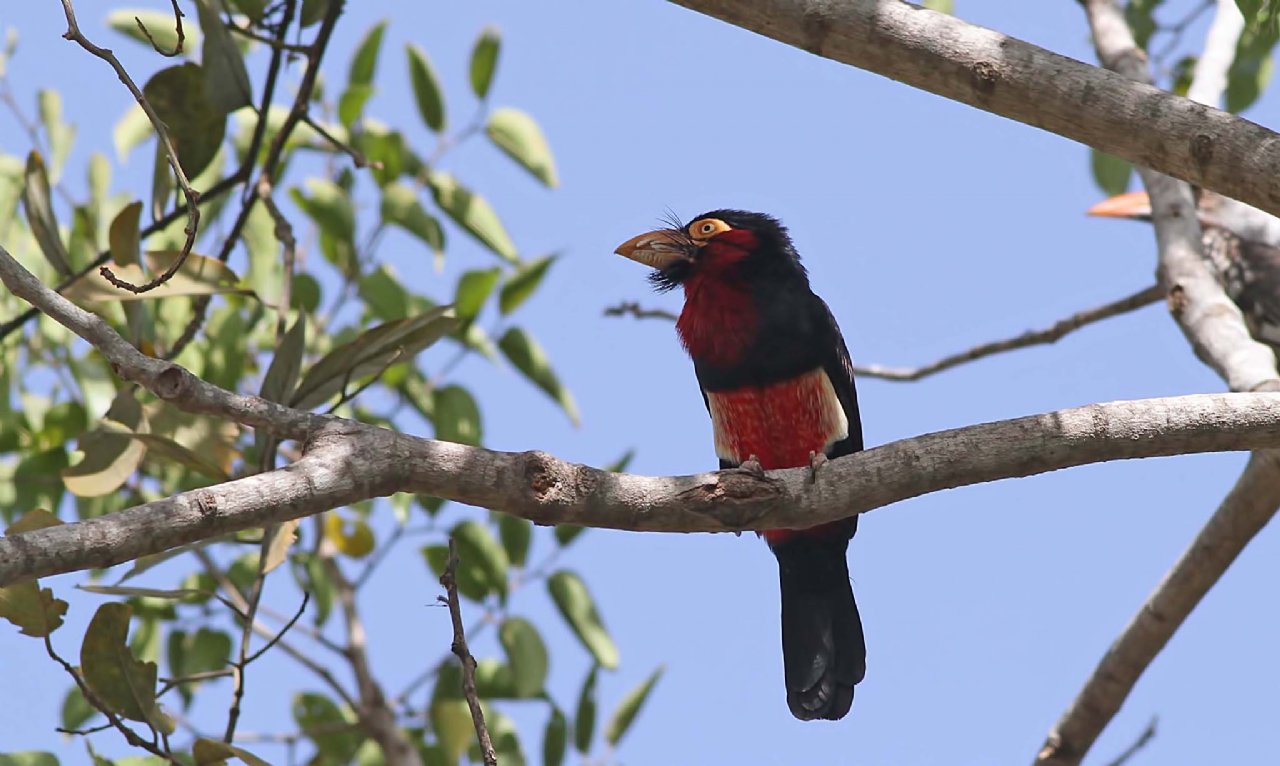
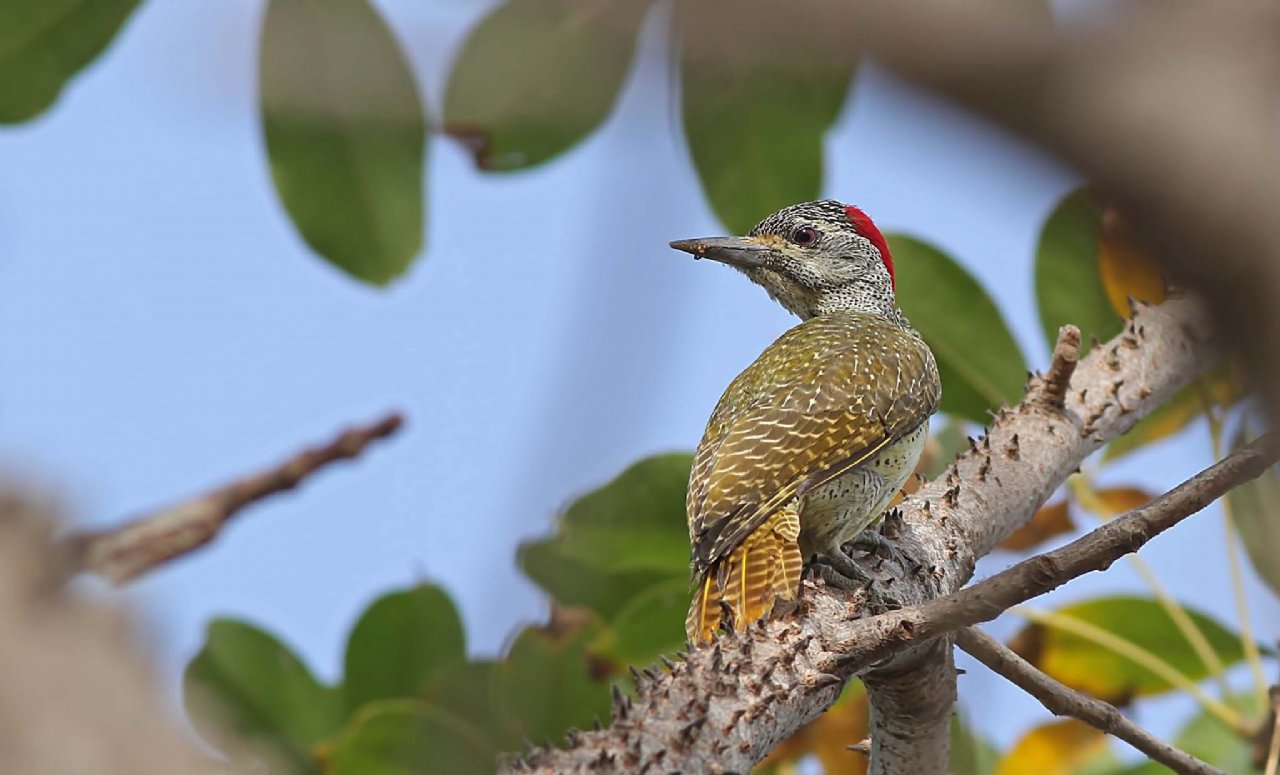
This morning we visit some wonderful rice fields for an assortment of wetland birds and raptors. We should see Striated, Squacco and Black Heron, Black Crake, African Jacana, Greenshank, Green Sandpiper and perhaps Little Bittern. African Harrier-hawk, Lizard Buzzard, Grey Kestrel and Red-necked Falcon also favour this habitat, and passerines such as Bearded Barbet, Piapiac, Grey Woodpecker and Blue-bellied Roller find plenty of food here.
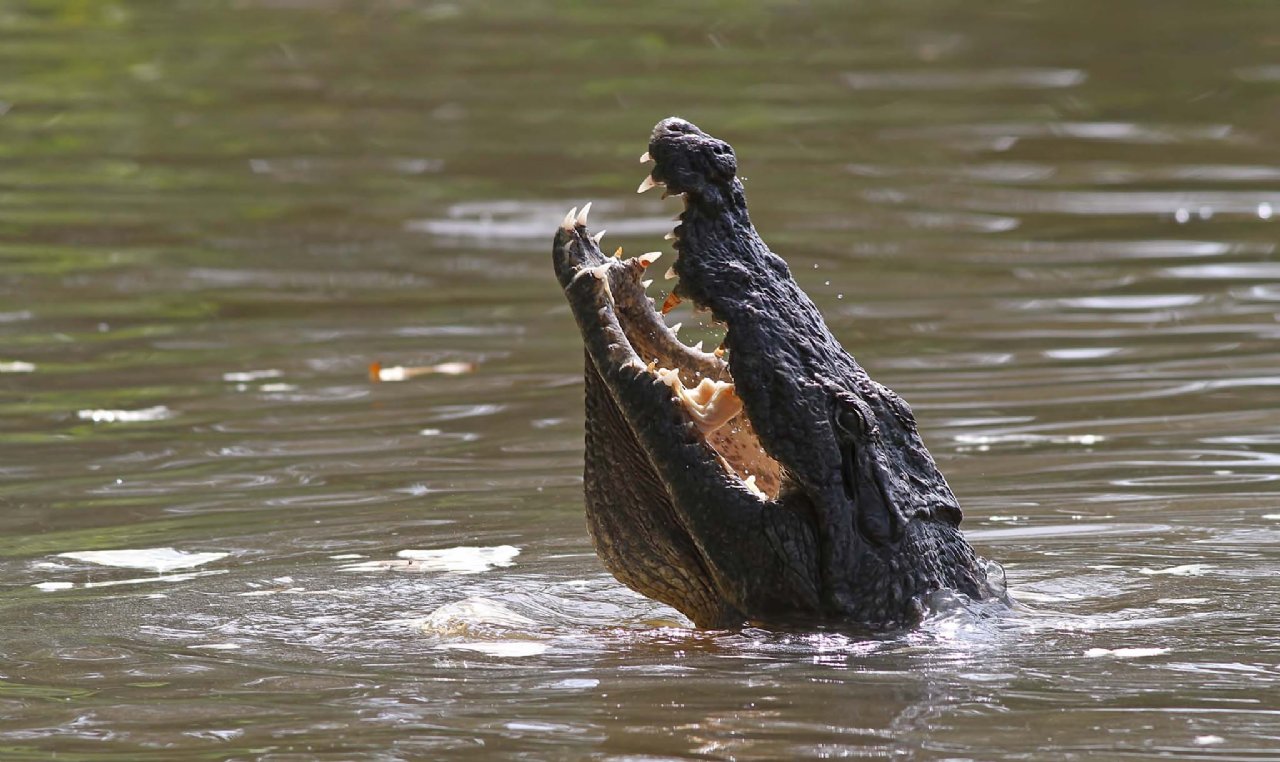
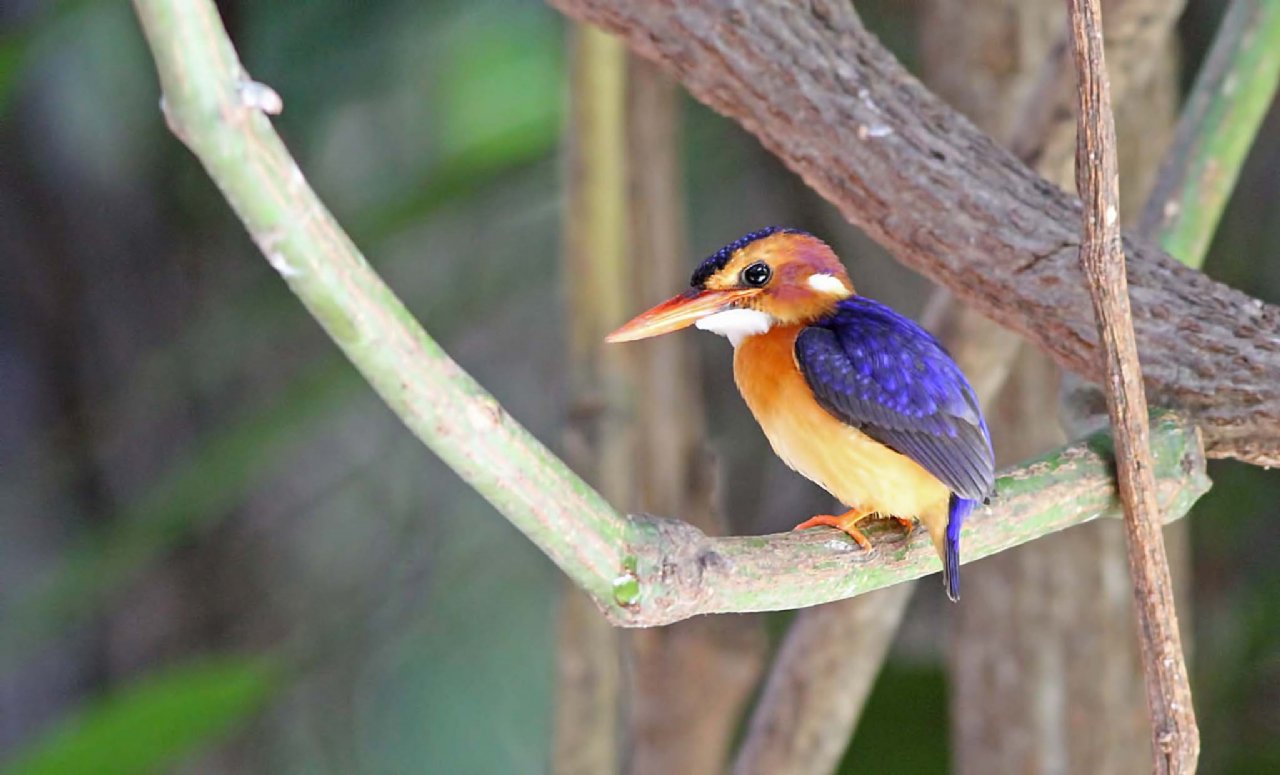
Later we enter Abuko, the oldest reserve in The Gambia and one of the few remaining areas of primary gallery forest now surrounded by urban sprawl. Birds here include stunning Green and Violet Turaco, Ahanta Francolin, Pied Hornbill and Western Bluebill as well as Red-bellied Flycatcher, Yellow-headed Bristlebill, Buff-breasted Woodpecker, Little Greenbul and Common Wattle-eye. Likely mammals include Red Colobus and Green Vervet Monkey, as well as shy Maxwell’s Duiker and Bushbuck. A hide overlooks a pool in the forest and there are West African Crocodiles lurking. A great place to watch Blue-breasted, Malachite, Pygmy and Giant Kingfisher fishing, we may also see Hamerkop, Black-headed Heron, Palm-nut Vulture, Snowy-crowned Robin-chat, Fanti Saw-wing and Pied-winged Swallow.
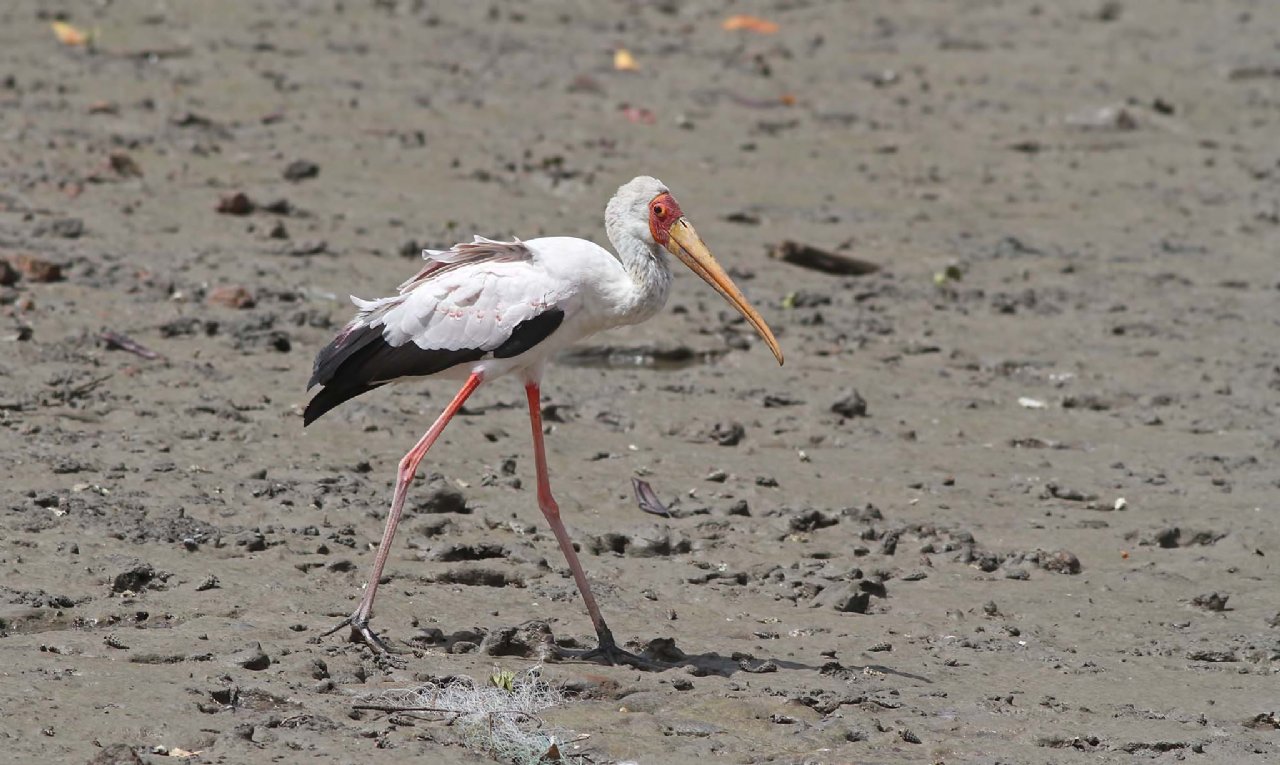
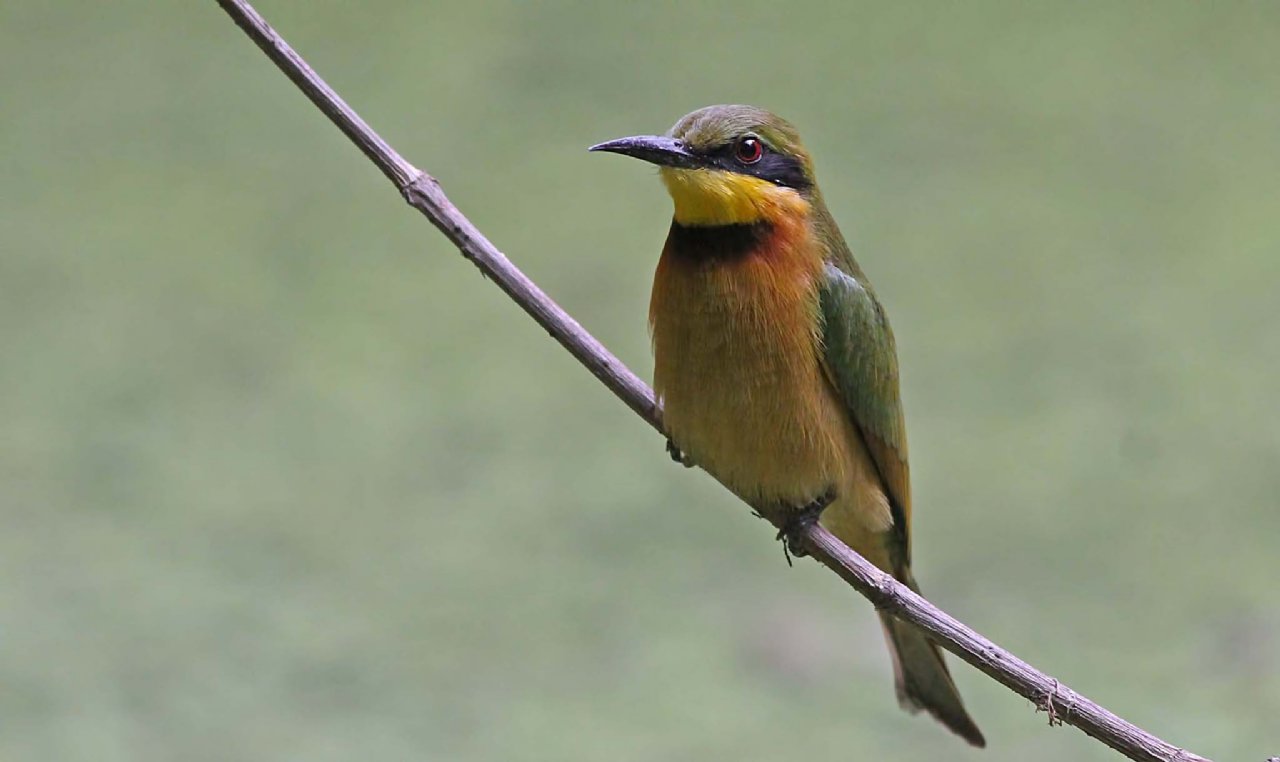
After lunch we explore Tambi wetlands and the Bund Road by the Gambia River. The rich mud attracts flocks of Eurasian waders such as Dunlin, Curlew Sandpiper, Sanderling and Grey Plover. Yellow-billed Stork and Pink-backed Pelican can make everything else look very small! Thorough searching may produce scarcer waders such as White-fronted Plover or Marsh Sandpiper, while Gull-billed Tern mix with other species and Greater Flamingo will stand out for sure. Blue-cheeked Bee-eater and Red-chested Swallow use the trees and overhead wires, while Crested Lark and White Wagtail frequent sandy ground.
Day 4: Marakissa Rivercamp
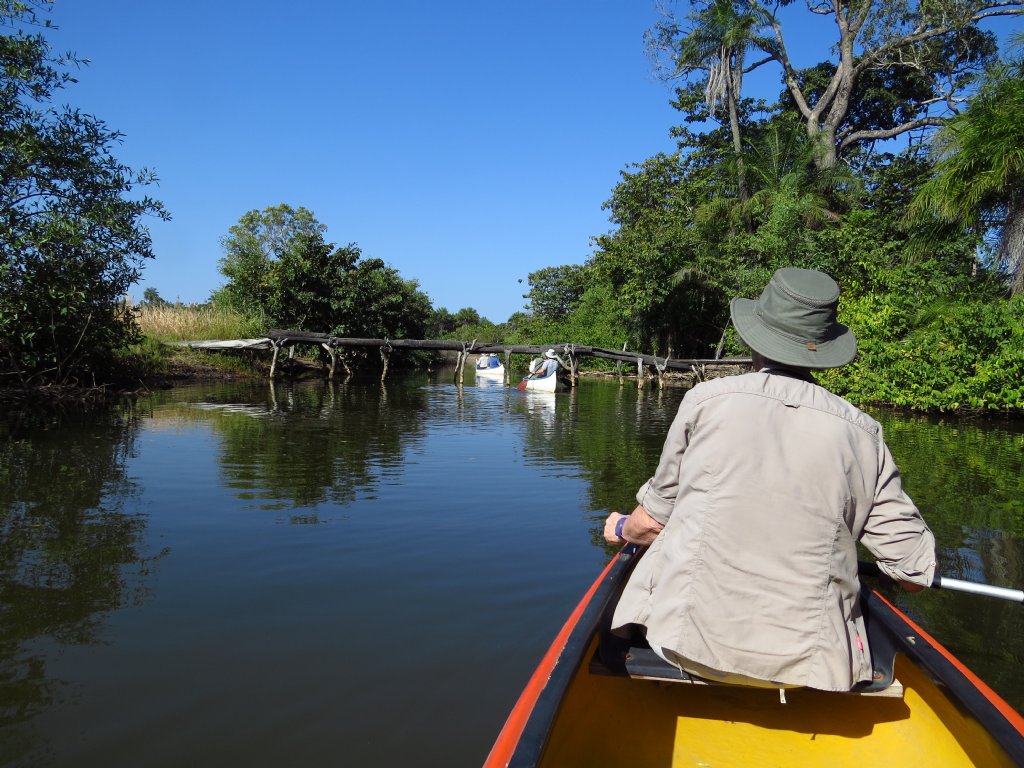
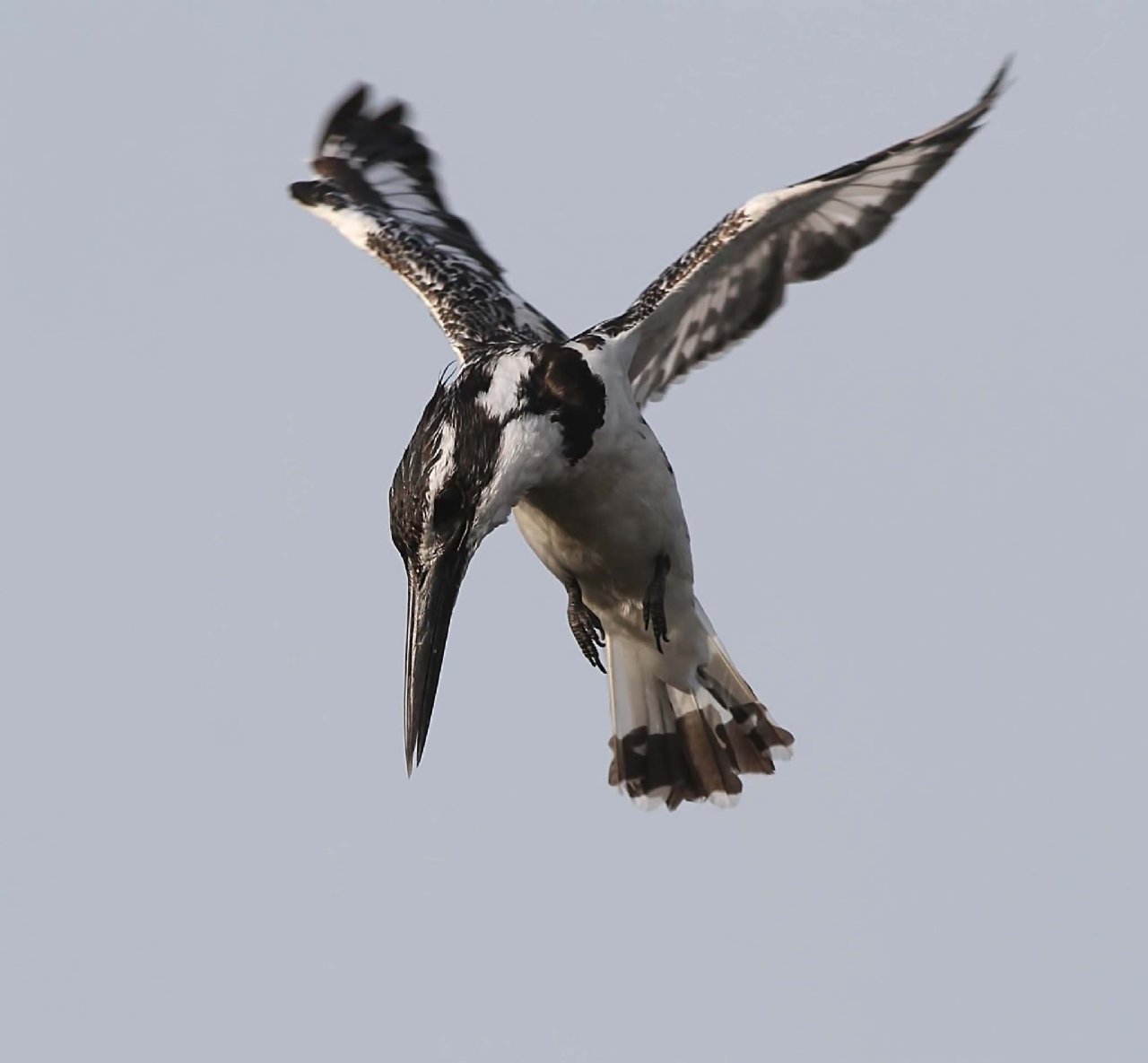
This is a great day, and after enjoying a walk around woodland and wetland habitats, we take a memorable canoe paddle. Black Crake, Striated Heron, Giant and Malachite Kingfisher, Hamerkop plus West African Crocodile and Monitor Lizard are seen regularly, even before we move away from the camp. Continuing in the canoes we can get closer to many species well away from the trails, such as as Senegal Thick-knee, Wattled and Spur-winged Lapwing, Black-winged Stilt and Pied Kingfisher. Yellow-crowned Gonolek and Sedge Warbler live in the mangroves and a specialist, Brown Sunbird, occasionally sits up for us. As the morning air warms up, raptors take to the skies and we have seen three species of Snake Eagle, plus Booted Eagle and African Harrier Hawk here. The walk allows us to find Senegal Parrot, Pearl-spotted Owlet, White Helmet-Shrike, Senegal Eremomela, Cardinal and Grey Woodpecker, while the tussocks in the wetlands hide Greater Painted and Common Snipe. Ponds with giant Waterlilies may hold Woodland and Pygmy Kingfisher as well as African Jacana and Black Crake.
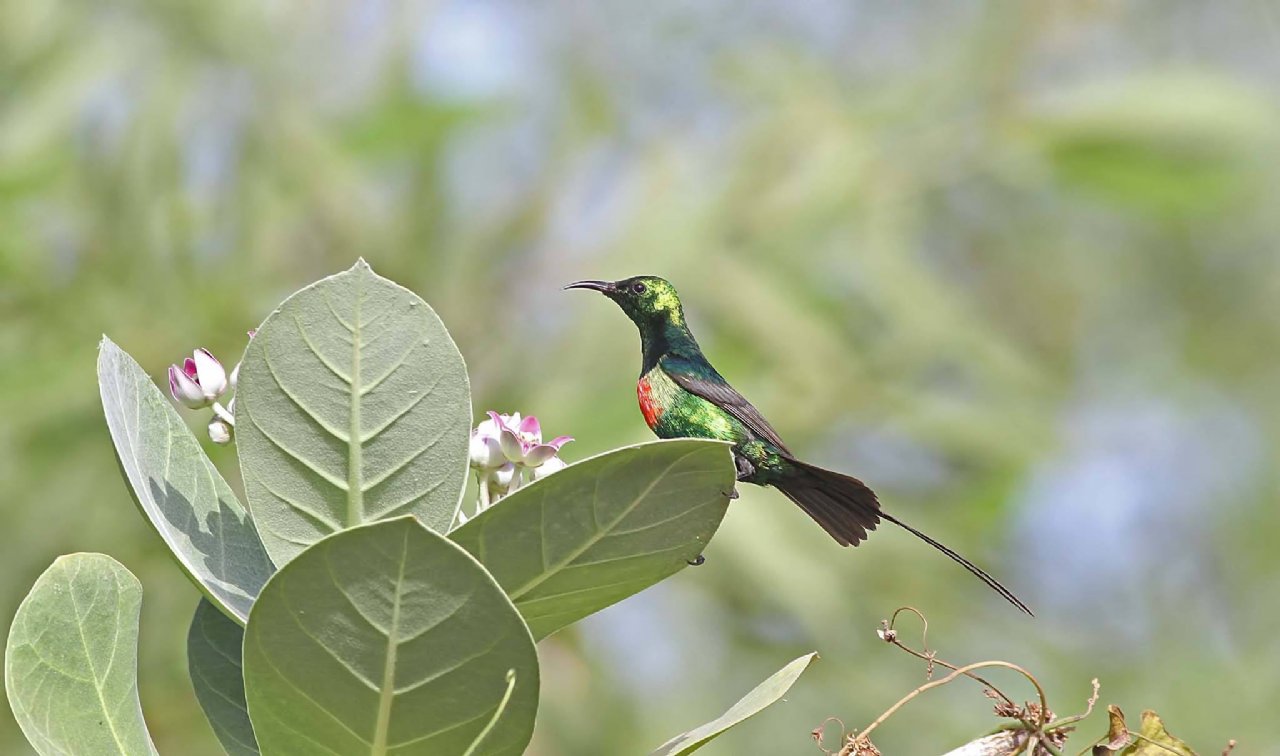
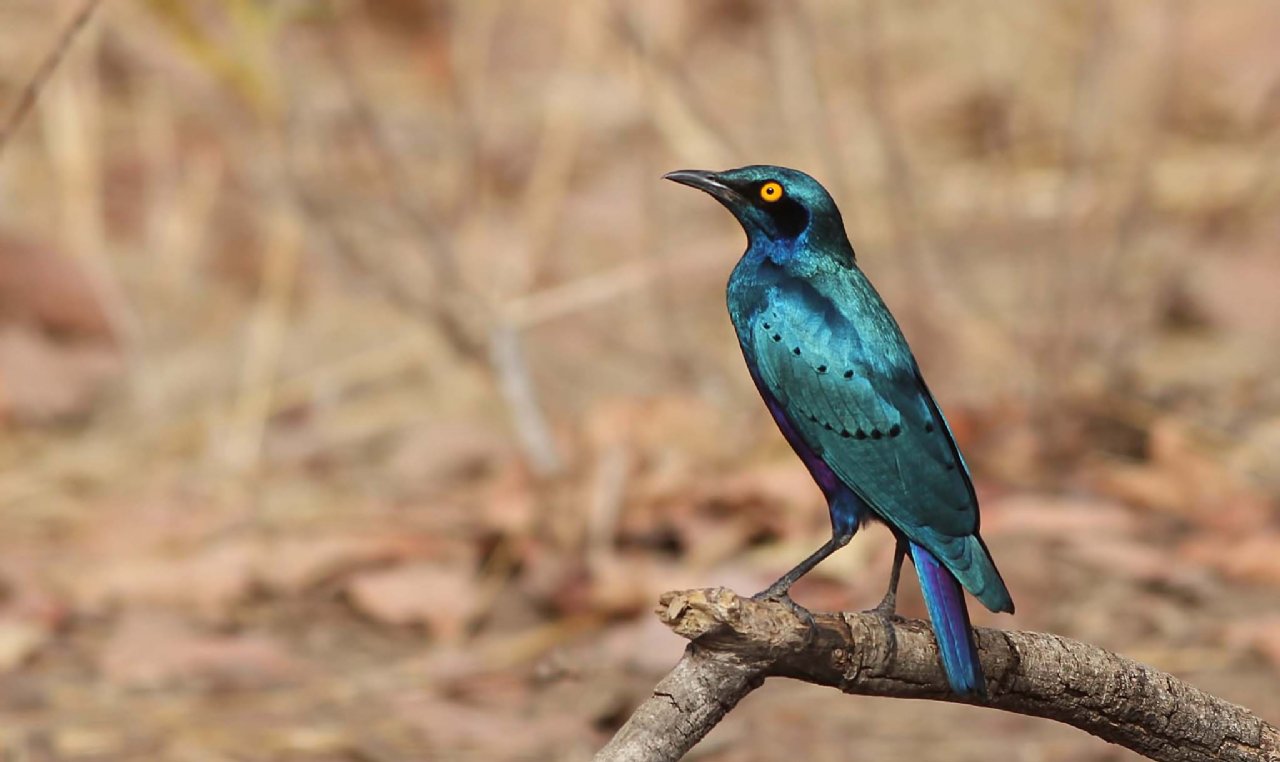
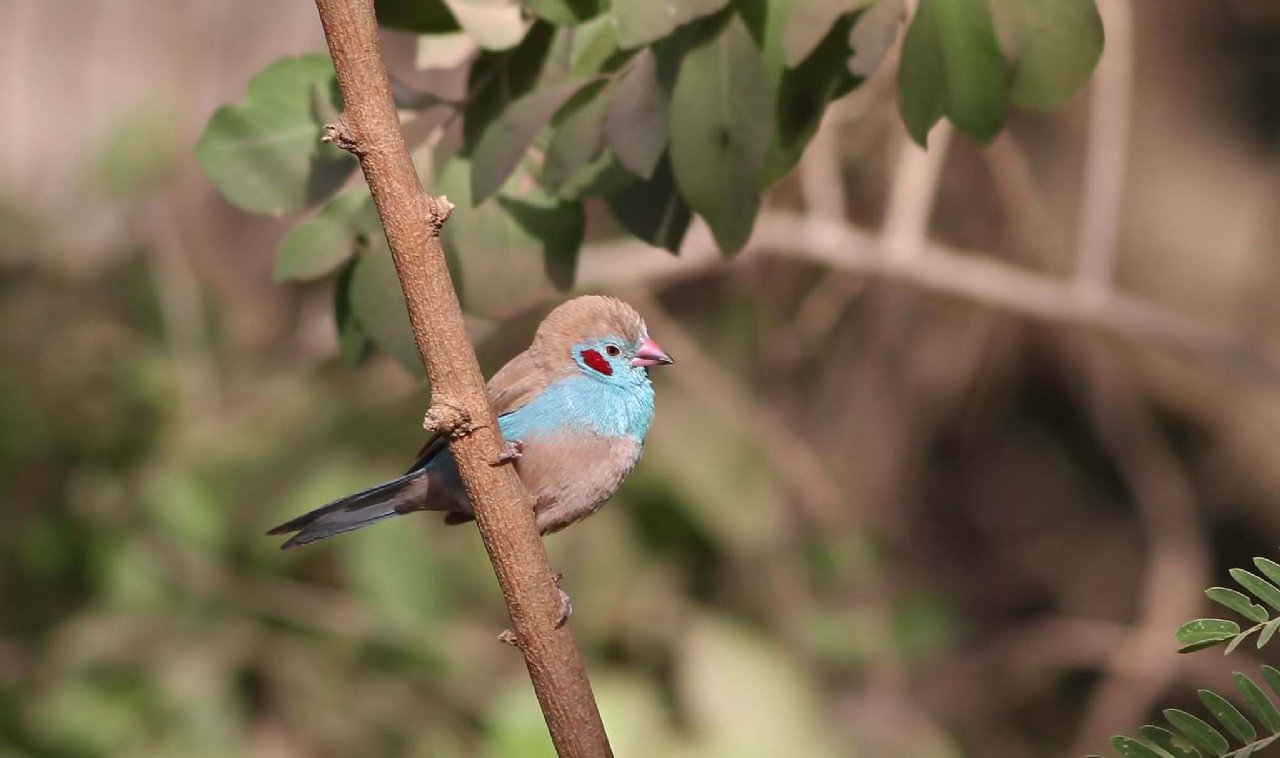
Before and after our tasty lunch we can sit and watch at close range the many water pots, waiting for new birds like Greater, Lesser or Spotted Honeyguide. Greater and Lesser Blue-eared Starling often visit too, and now familiar birds such as Piapiac, Red-billed Firefinch, Red-cheeked Cordon-bleu, Bronze Mannikin and Beautiful Sunbird may be seen as we relax! By mid-afternoon we head back to our hotel via some new wetland and grassland sites. A habitat which should give us Gull-billed Tern, Marsh Sandpiper, Yellow-billed Oxpecker, Abyssinian and Rufous-crowned Roller, Double-spurred Francolin, perched raptors and maybe Red Patas Monkey.
Day 5: Kartong Bird Observatory and Allahin River
Heading south down the coast we reach Kartong Bird Observatory, rightly regarded as one of the richest birding areas in The Gambia. Habitats include wetlands, sandy grassland with light woodland and seashore with lagoons. If possible we join the Kartong Ringing Group during one of their field sessions, and the opportunity to see kingfishers, bee-eaters and other birds in the hand is an unforgettable experience. In 2019 we found Wahlberg's Honeyguide, one of the country's rarest birds, being weighed and ringed here. Also likely are Spur-winged Goose, White-faced Whistling Duck, Comb-billed Duck or Eurasian ducks in wet years, plus Purple Swamphen, Black Crake, Greater Painted Snipe and Marsh Sandpiper. Migrating hirundine flocks may contain Mosque and Red-rumped Swallow, and groups of Blue-cheeked Bee-eater occasionally have stunning Northern Carmine amongst their number.
Raptors are a feature here with chances of Black-shouldered Kite, Long-crested, Wahlberg’s and Beaudouin’s Snake Eagle while Osprey can be common. The grassland and woodland contain Tawny-flanked Prinia, Plain-backed Pipit, Four-banded Sandgrouse, Grey-headed Kingfisher and European migrants such as Hoopoe, Western Subalpine Warbler and Woodchat Shrike.
We drive to a local eco-lodge for lunch before spending a couple of hours on a covered pirogue exploring the river and mangroves of the Allahin River, the border with southern Senegal. There is often a spectacular roost with many hundreds of Slender-billed and Grey-headed Gull and equal numbers of Caspian, Royal, Sandwich and a few Lesser-crested and Gull-billed Tern. Pink-backed Pelican are sometimes joined by Great White Pelican, and small waders like Curlew Sandpiper and Little Stint feed on the mud. This boat trip gets us close to Pied, Malachite and Giant Kingfisher and has proved reliable recently for scarce and shy Goliath Heron. Another massive bird to look out for is African Fish Eagle and we have seen adults and immatures here among the numerous Osprey.
Day 6: Tujering and Tanji
In the morning we visit Tujering and may see tiny Namaqua Doves, Singing Cisticola and Tawny-flanked Prinias before even leaving the parking area! In the walled gardens a nice combination of European migrants such as Woodchat Shrike, Whinchat and Northern Wheatear are likely. The big orange blossoms of the flowering silk cotton trees attract, amongst others, Variable, Beautiful, Splendid and Scarlet-chested Sunbird and raptors soaring in the warming sky may include Beaudouin’s Snake Eagle, Lanner Falcon, Black shouldered Kite and Shikra.
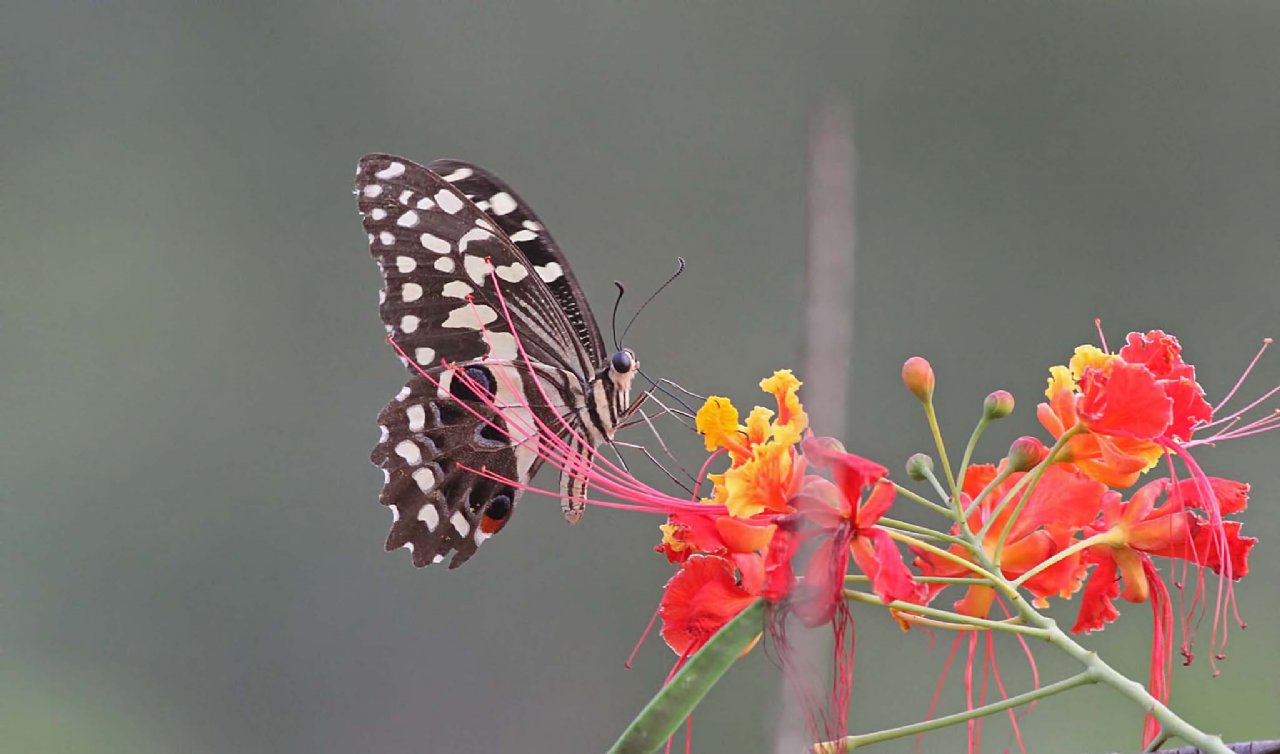
We take lunch at Tanji Eco-Lodge with water pots and pools attracting a good range of woodland birds including rare Western Bluebill as well as numerous finches, mannikins and wood-doves. We usually see mammals including Green Vervet Monkey, Banded Mongoose and Gambian Sun Squirrel, and the flower-rich gardens attract such colourful butterflies as Citrus Swallowtail. Pink-backed Pelican wait for returning fishing pirogues, Osprey are offshore and Giant and Pied Kingfisher are usually present. Tanji is superb for terns and gulls with Royal, Caspian, Sandwich, Little and we hope for Lesser-crested Tern. The most abundant gull is Grey-headed, plus all three subspecies of Lesser Black-backed, Yellow-legged and Slender-billed Gull. This is the northern limit of Kelp Gull so we look out for this speciality and among familiar Bar-tailed Godwit, Whimbrel, Turnstone and Ringed Plover we look for scarce White-fronted Plover. We plan to return to the hotel a bit earlier than usual to allow some down time, or for shopping in the adjacent craft market.
Days 7 & 8: Morgan Kunda Lodge
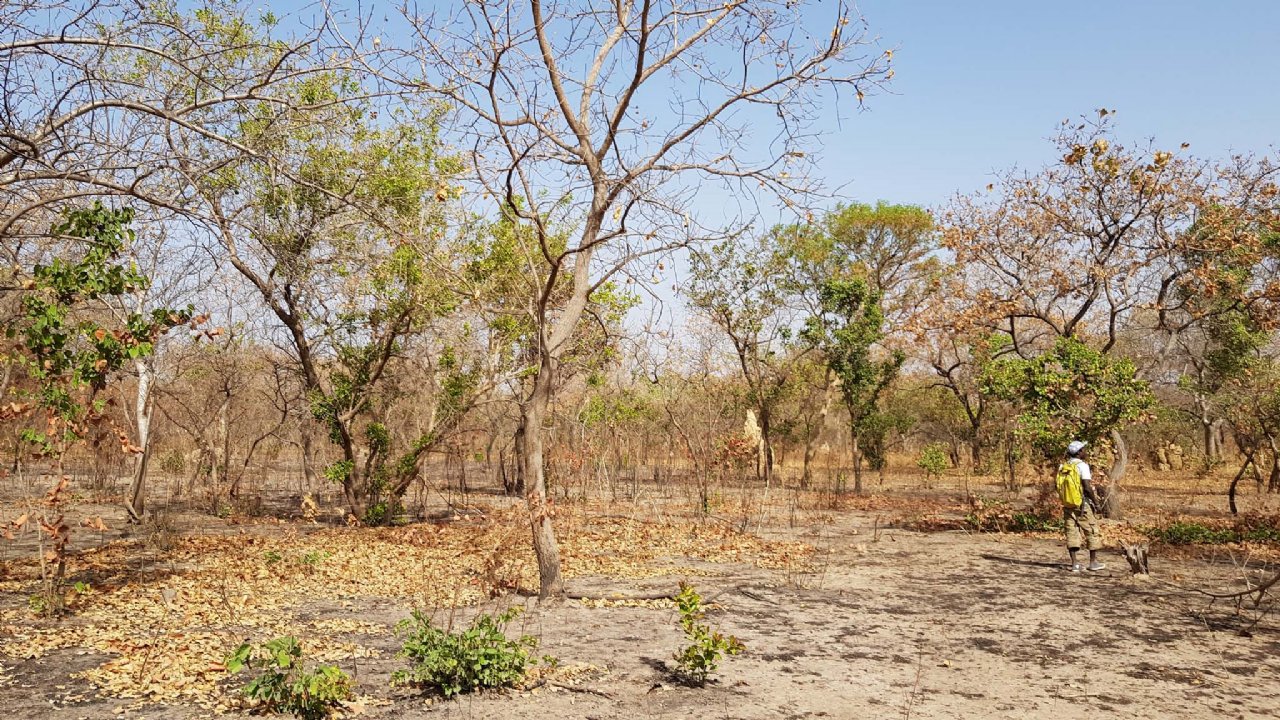
We drive north-east and cross the new bridge at Farafenni (3.5 hours from Kotu) to reach our second centre on the north bank of the Gambia River. Until fairly recently the North Bank has been difficult for birders to access, so we will be pioneers in this area of wetlands, forest and grassland savannah habitats, seeing a range of birds which are scarce in highly developed areas nearer to the coast. With lots of ‘big raptor’ potential as we transfer, new woodland species may include Brown-hooded Parrot and Green-headed Sunbird. We plan a leisurely lunch with birding en-route, and will have time to stop when we see birds of interest.
Morgan Kunda is a lodge set up by charitable trust to support Gambians and designed with birds and birdwatching in mind. Their guides are expert in identifying the abundant birdlife in the different habitats in the surrounding area while the shaded tower viewpoint gives us chances to see some great birds beyond the lodge. A boat trip around the wetlands should get us close to key new species including Egyptian Plover, Finfoot, Woolly-necked Stork and secretive White-Crested Tiger Bittern. In open ground, Martial Eagle are at the top raptor chain in an area with over a dozen other raptor species! Around the lodge and in the savannah grasslands we target a number of new species including Pygmy Long-tailed Sunbird, Ground Hornbill, Western-banded Snake Eagle, Savile’s and Black-bellied Bustard and Black-crowned Crane. We stay at Morgan Kunda Lodge for the next two nights.
Days 9 & 10: AbCa’s Creek Lodge
Departing Morgan Kunda during the morning, we end our tour at AbCa’s Creek Lodge along the river in Kassagne. A great base to explore the immediate area, a boat trip along the mangroves and forest may yield African Finfoot, White-backed Night Heron as well as kingfishers, glossy starlings and Blue-bellied Rollers. We also visit Mandina Ba, a mix of woodland, wet grassland and productive gardens for an opportunity to see African Green Pigeon, Red-bellied Flycatcher, Yellow-breasted Apalis, Yellow-billed Oxpecker, Variable, Splendid, Copper and Green-headed Sunbird and others. Tawny Eagle breeds here and Beaudouin’s Snake Eagle hover looking for prey.
At Farasutu Community Forest we look for woodland birds coming down to water. All three honeyguides, while Pygmy Kingfisher and Black-rumped Waxbill may be new for us. In the forest we look for Oriole Warbler and Green Crombec, and search hard for camouflaged African Wood Owl and Greyish Eagle Owl, Long-tailed and Standard-winged Nightjar. If time allows, we visit Pirang, an area with dense forest which still has declining Verreaux’s Eagle Owl, plus open country birds such as Blue-cheeked and White-throated Bee-eater, Black-faced Quailfinch and Long-crested Eagle. We stay at AbCa’s Creek Lodge for two nights.
Day 11: Transfer and return to UK
After breakfast at AbCa’s soaking up the beautiful nature one last time, we depart for the airport and our return flights to the UK.
Please note: all itineraries are given as a guide only. Actual holiday content may vary according to the judgement of your guide, and elements beyond our control (eg weather).
What's included in your holiday price:
- Return scheduled flight from London – Banjul, airport taxes, baggage up to 20kg, hand luggage to 5kg, in-flight meal and airport transfers.
- Full-board accommodation and meals including breakfast and lunch, evening meal and water during the day.
- The services of a Heatherlea leader and professional local guide.
- ground transportation throughout Gambia
- The Heatherlea Pre-Flight Service offers everything you need at the airport, including hotels, car parking, airport lounges, regional flights, and upgrades. Let Heatherlea take the strain! Pre-flight airport hotel and lounge included subject to terms and conditions. Read more...
Free Field Guide! - 'Birds of Senegal and The Gambia' by Nik Borrow and Ron Demey, published by Helm is included in your holiday price. One copy per room booked.
What's not included in your holiday price:
- Travel to and from London before and after holiday, baggage above 20kg, incidental tips, drinks with meals, expenses of a personal nature and personal insurance.
More holiday information:
Accommodation is in friendly hotel/lodges, and rooms are comfortable, clean and attractive with en-suite shower rooms.
Food Breakfast is usually continental (tea, coffee, juice, rolls, boiled eggs etc), and lunches are often taken at Eco-lodges in the bush which have water to attract birds and we can relax in the shade over a leisurely lunch, or perhaps at our hotel depending on our itinerary. Evening meals at Kotu are at local restaurants with a wide choice. Other hotels offer evening meals. Vegetarian and other diets are welcome.
Walking is generally light/moderate. There may be some track and road walking over mostly flat terrain, though generally an average level of fitness is required. We take advantage of cooler mornings and late afternoons to see wildlife when it is most active, usually returning to our hotel in the early evening. There will be short walks of up to two miles most days, and you should bring walking boots or shoes.
Weather should be dry and hot! The Gambia enjoys virtually uninterrupted sunshine and high daytime temperatures with almost no rainfall from November to June. Daily temperatures average 30°C, although it can be considerably cooler in the early mornings and evenings in November & December.
Visa: British passport holders do not require a visa to enter the Gambia. A full British 10-year passport is required for entry into The Gambia, valid for at least 6 months after your date of arrival back in the UK.
Health Although inoculations are not compulsory for entry from the EU, certain medication, including anti-malarial tablets, are recommended. The Gambia is just one of many countries where the risk of contracting malaria is very real but this is an avoidable illness provided adequate precautions are taken. Before travelling consult your doctor about suitable anti-malarial medication, and on arrival take adequate precautions against mosquito bites. Please be aware of latest health advice regarding airline flights. If you suffer from a heart condition, deep vein thrombosis or other condition which may be affected by airline flight we recommend you consult your doctor before departure.
Group size is restricted to 12 clients maximum.
Flights are by scheduled airline, from London. If you wish to add an extension either before or after your holiday, please contact us and we will be happy to arrange this for you.
Why choose Heatherlea for your African wildlife holiday?
Our overseas holidays are planned with care to offer great birding and wildlife, led by capable Leaders who really look after you. Every holiday is run the 'Heatherlea Way', and we hope our Overseas Adventures remind you of the quality and care so many of you enjoy in Scotland. That means rewarding and exciting days in the field, and good quality accommodation and meals, with a real flavour of the country we are visiting. Heatherlea always seek to include the personal touches that make all the difference.
Heatherlea holidays are not ‘dawn to dusk’ expeditions. Our less-intensive approach is ideal for those who want to relax whilst experiencing the best wildlife watching, and wherever possible we organise early or late activity on an optional basis. We also take sensible breaks when in very hot places and regular comfort breaks on every holiday whenever possible. All itineraries are planned carefully around the best wildlife opportunities, and you won’t miss out on memorable wildlife, whilst enjoying relaxed, informal days that are great fun.
The really important part of any wildlife holiday is the experience for you, our valued customer. Heatherlea invest in many things to offer you the best possible service;
- We have been organising birding and wildlife holidays for over 30 seasons, and have a highly experienced and capable office team. We also offer a telephone and email service outside normal office hours.
- Heatherlea overseas holidays have a maximum of 12 clients per trip, putting the emphasis on personal service, and helping you get the best possible experience.
- Our holidays often include things which others might invite you to pay yourself, for instance Departure Taxes and tips to hotels.
- All elements of our holidays are sold under our own licence, ATOL 6113. Under ‘Flight-Plus’ legislation it is a legal requirement of any tour operator to hold an ATOL licence for the supply of any overseas holiday where a flight is involved, if that holiday includes either overseas accommodation and/or car hire. It can be a criminal offence for an operator to book flights as part of a package without an ATOL licence. Heatherlea also hold full Tour Operator Insurance for your added protection.
- Heatherlea is your complete wildlife holiday provider. Our ‘Back Office’ team can organise all your pre-flight and other travel needs. Our specialists will help you book the right services, at the best price. Book holiday extensions through us, and your ATOL protection is extended further. We don’t charge extra for this service.
- Heatherlea is a limited company, registered in Scotland, and registered to pay VAT (applies to all holidays within the European Union).
Trip Reports
- Free Bird Guide
FREE copy of Birds of Senegal and the Gambia with every room booked on this holiday.
- Tour Info Pack
- Enquire